Key Takeaways
- TMS therapy offers a non-invasive approach for managing anxiety-related symptoms effectively.
- Many individuals explore TMS therapy when traditional treatments provide limited improvement.
- The treatment targets specific brain areas associated with emotional regulation and stress responses.
- TMS therapy does not require surgery, anesthesia, or lengthy recovery periods.
- Many people appreciate avoiding medication-related side effects during treatment.
- Improved emotional balance may support healthier daily functioning and wellbeing.
- Professional supervision ensures treatment is tailored to individual mental health needs.
- TMS therapy may contribute to long-term emotional stability when combined with healthy habits.
Anxiety can affect nearly every part of daily life, including work performance, relationships, sleep quality, and emotional well-being. Constant worry, nervousness, racing thoughts, and physical tension often make everyday responsibilities feel more challenging than they should.
While medication helps many individuals manage anxiety, some people look for alternative options because of unwanted side effects or limited results. This growing interest has increased attention on TMS Therapy for Anxiety Symptoms as a non-invasive treatment option.
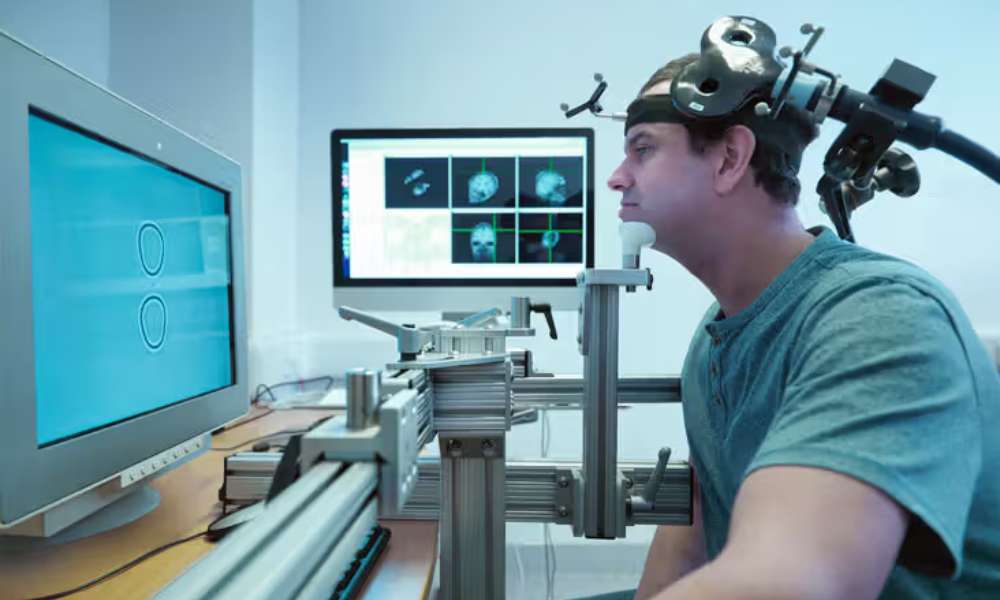
Transcranial Magnetic Stimulation (TMS) uses targeted magnetic pulses to stimulate areas of the brain connected with emotional regulation and mood control. Many individuals explore this treatment under professional guidance when seeking additional support for managing anxiety-related challenges.
Understanding the Basics of TMS Therapy
Transcranial Magnetic Stimulation is a treatment that uses magnetic energy to activate specific regions of the brain. The procedure is performed in a clinical setting and does not involve surgery or hospitalization. During treatment sessions, individuals remain awake while carefully controlled magnetic pulses are delivered to targeted areas.
One reason TMS Therapy for Anxiety Symptoms has gained attention is that it offers a different approach compared to traditional medication-based treatments.
Rather than affecting the entire body, the treatment focuses on brain regions associated with emotional responses and stress regulation. This targeted approach may provide support without many of the side effects commonly associated with medication.
Why Anxiety Can Be Difficult to Manage
Anxiety often affects both the mind and body simultaneously. People may experience excessive worry, difficulty concentrating, restlessness, muscle tension, and sleep disturbances. These symptoms can interfere with personal relationships, work responsibilities, and overall quality of life.
Many individuals seek TMS Therapy for Anxiety Symptoms after finding that anxiety continues affecting daily activities despite trying various coping strategies.
Anxiety can become particularly challenging when symptoms remain persistent and begin impacting emotional well-being consistently. Understanding treatment options helps individuals make informed decisions about their mental health care.
How TMS Therapy Targets Brain Activity
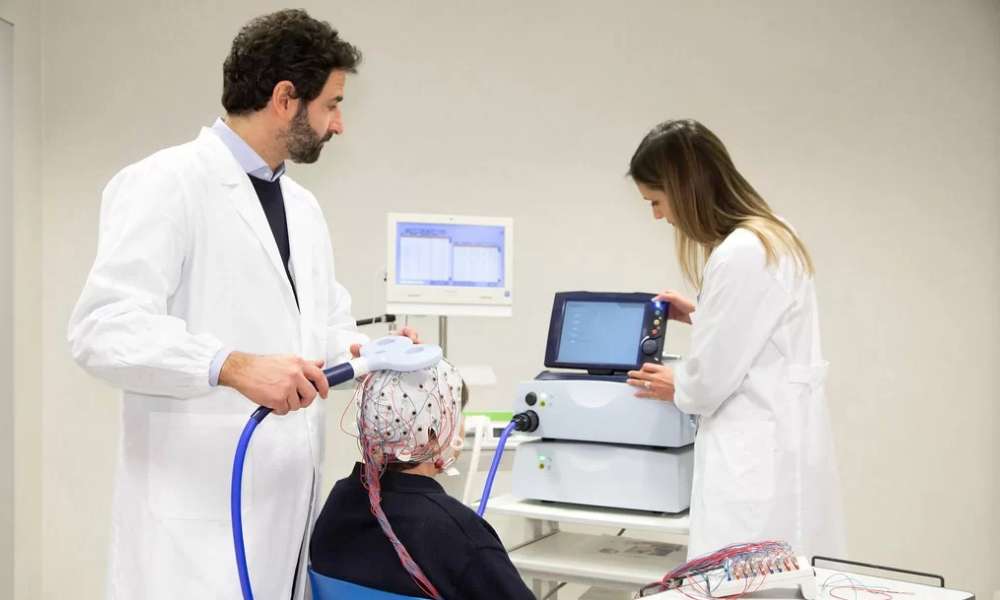
Research suggests that certain brain regions involved in emotional regulation may function differently in individuals experiencing anxiety-related conditions.
TMS therapy works by delivering magnetic stimulation to targeted areas associated with mood and emotional processing. The goal of TMS Therapy for Anxiety Symptoms is to support healthier brain activity patterns that contribute to emotional balance.
Treatment plans are customized and monitored by healthcare professionals to ensure appropriate care throughout the process. This personalized approach helps address individual mental health needs more effectively.
Reducing Dependence on Medication-Based Approaches
Many people benefit from medication, but others may experience challenges such as fatigue, dizziness, weight changes, or other unwanted side effects. Because of these concerns, some individuals look for additional treatment options that may complement or reduce reliance on medication.
One of the reasons people consider TMS Therapy for Anxiety Symptoms is the possibility of receiving treatment without experiencing many medication-related complications.
Since the therapy is non-invasive and does not require daily medication use, it may appeal to individuals seeking alternative solutions under professional supervision. Treatment decisions should always be made with guidance from qualified healthcare providers.
Supporting Better Emotional Regulation
Anxiety often makes it difficult to manage emotional reactions during stressful situations. Small challenges may feel overwhelming, leading to increased frustration, worry, or emotional exhaustion.
TMS Therapy for Anxiety Symptoms may help support emotional regulation by targeting areas involved in mood and stress responses. Improved emotional balance can make it easier for individuals to navigate daily responsibilities and challenging situations more effectively.
Better emotional control often contributes to healthier relationships and improved quality of life. Many individuals explore treatment options that may help ease anxiety symptoms while supporting emotional balance and long-term mental wellness.
Improving Daily Functioning and Productivity
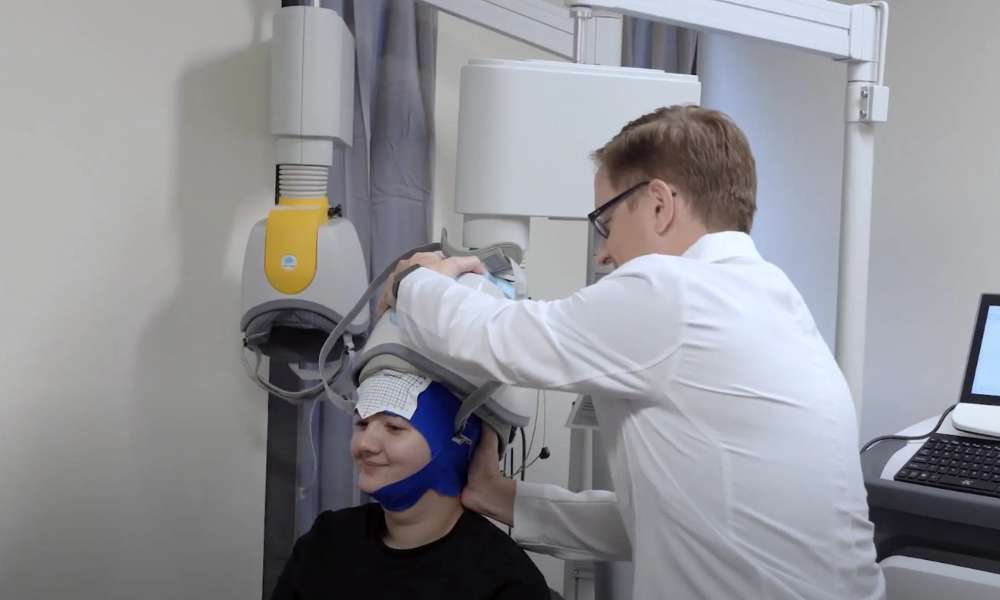
Persistent anxiety can interfere with concentration, motivation, and decision-making. Many individuals find it difficult to stay focused on tasks when worry and stress consume a large amount of mental energy.
People exploring TMS Therapy for Anxiety Symptoms often hope to improve their ability to function more comfortably in everyday situations. Reduced emotional distress may support better workplace performance, increased productivity, and greater participation in personal activities.
Improved daily functioning often has a positive effect on overall well-being. As emotional balance improves, many individuals find it easier to stay focused, manage responsibilities, and participate more fully in everyday activities.
The Importance of Professional Evaluation
Mental health treatment is most effective when tailored to individual needs. Not every treatment option is appropriate for every person, which is why professional assessment plays an important role.
Before beginning TMS Therapy for Anxiety Symptoms, individuals typically undergo evaluations to determine whether the treatment may be suitable for their situation. Mental health professionals monitor progress throughout the treatment process and make adjustments when necessary.
Professional guidance helps ensure safe and effective care.
The Role of TMS Therapy in Comprehensive Mental Health Care
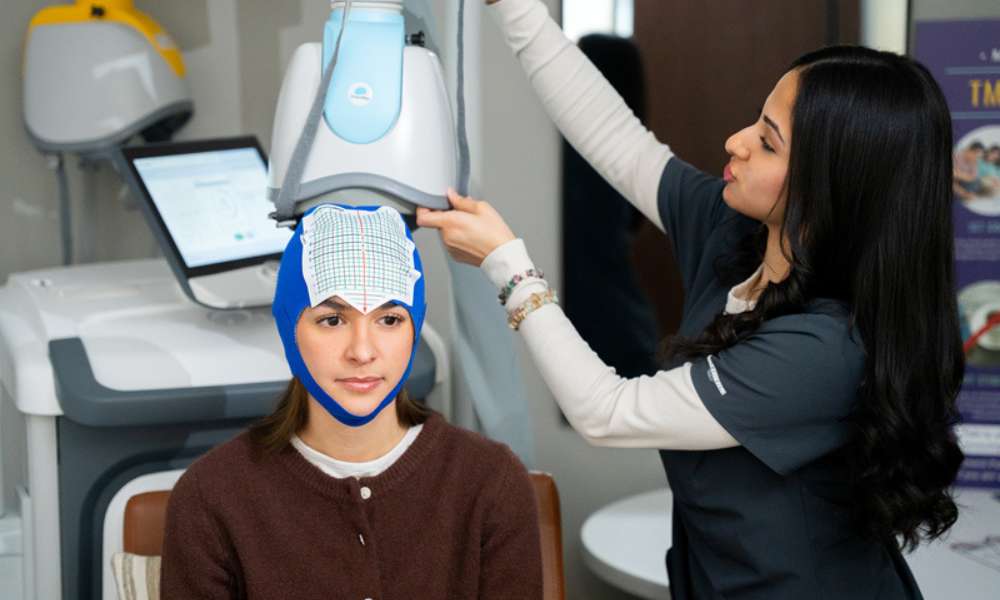
Mental health treatment is often most effective when multiple supportive strategies work together. Counseling, stress management techniques, healthy lifestyle habits, and professional treatment plans can all contribute to emotional wellness.
TMS Therapy for Anxiety Symptoms is often explored as part of a comprehensive approach to mental health care. By combining treatment with positive daily habits and professional guidance, individuals may experience greater improvements in emotional wellbeing and overall quality of life.
Enhancing Quality of Life Through TMS Therapy
Anxiety can interfere with many aspects of daily life, including work performance, relationships, hobbies, and personal goals. When symptoms become persistent, individuals may struggle to enjoy activities that once brought satisfaction and happiness.
May help support a better quality of life by improving emotional balance and reducing the impact of anxiety-related challenges. As emotional wellbeing improves, many individuals find it easier to participate in meaningful activities and maintain healthier routines.
How TMS Therapy Supports Long-Term Anxiety Management
Managing anxiety often requires more than short-term solutions. Many individuals look for treatment approaches that support long-term emotional stability and healthier coping skills. Consistent mental health care can help reduce the impact of anxiety on daily life and improve overall wellbeing.
One of the potential benefits of TMS Therapy for Anxiety Symptoms is its ability to support long-term anxiety management under professional supervision. When combined with healthy habits and ongoing mental health support, TMS therapy may help individuals maintain greater emotional balance and resilience over time.
Why Early Intervention Matters for Anxiety Symptoms
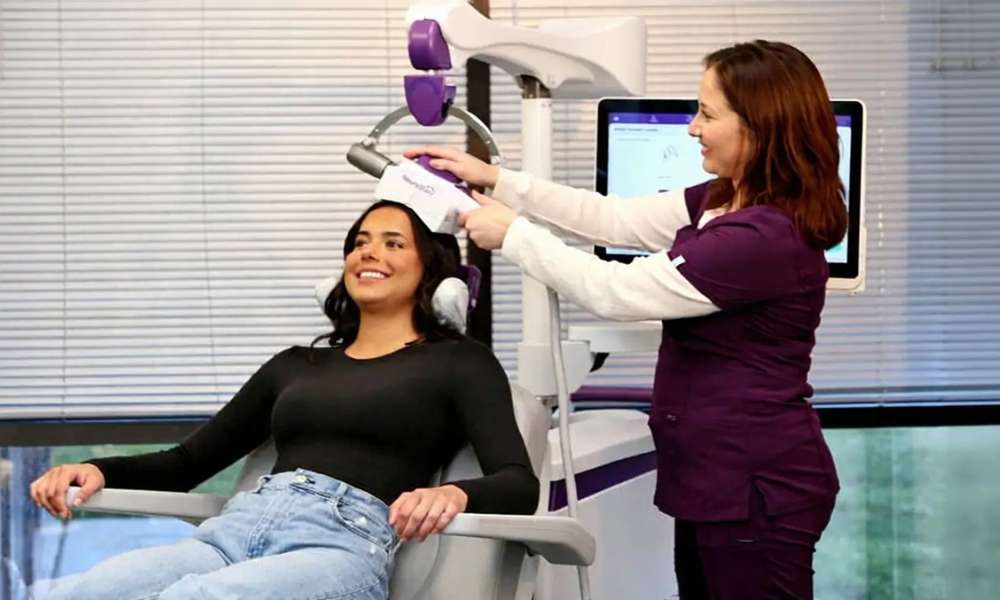
Anxiety symptoms may become more difficult to manage when they continue affecting daily life for extended periods. Early intervention often helps individuals address emotional challenges before they significantly impact relationships, productivity, and overall well-being.
Seeking professional guidance and exploring options such as may provide valuable support for individuals working toward better emotional health and long-term wellness.
Potential Benefits of TMS Therapy
Many individuals explore TMS therapy because of the unique advantages it may offer as part of a comprehensive mental health treatment plan.
- Supports emotional wellbeing through targeted brain stimulation under professional supervision.
- Offers a non-invasive treatment option without surgery or lengthy recovery periods.
- May help improve emotional balance during stressful and challenging situations.
- Provides an alternative approach for individuals concerned about medication side effects.
- Can support healthier focus, concentration, and daily functioning over time.
- Treatment sessions are performed while individuals remain awake and comfortable.
- Professional monitoring helps ensure personalized care throughout the treatment process.
- May contribute to long-term mental wellness when combined with healthy lifestyle habits.
Who May Consider TMS Therapy?
Different individuals explore TMS therapy for different reasons depending on their mental health experiences and treatment goals.
Individuals Seeking Non-Invasive Treatment
Some people prefer treatment options that do not involve surgery or hospitalization.
People Concerned About Medication Side Effects
Others look for alternatives because of challenges experienced with traditional medications.
Individuals Looking for Additional Support
Some explore TMS therapy as part of a broader mental health care plan under professional guidance.
Frequently Asked Questions (FAQ)
What is TMS therapy?
TMS therapy is a non-invasive treatment that uses magnetic stimulation to target specific brain regions.
How does TMS therapy work?
It delivers magnetic pulses to areas of the brain associated with mood and emotional regulation.
Is TMS therapy a surgical procedure?
No, TMS therapy does not involve surgery, anesthesia, or hospitalization.
Can TMS therapy help with anxiety symptoms?
Some individuals explore TMS therapy as part of their anxiety treatment plan under professional supervision.
Does TMS therapy require recovery time?
Most individuals return to normal activities shortly after treatment sessions.
Why do people choose TMS therapy?
Many people consider it because it offers a non-invasive alternative treatment approach.
Is professional evaluation necessary before treatment?
Yes, healthcare professionals evaluate whether the treatment is appropriate for each individual.
Can TMS therapy support long-term emotional wellbeing?
Many individuals use TMS therapy as part of a broader mental health and wellness strategy.
Conclusion
Anxiety can significantly affect emotional wellbeing, productivity, relationships, and overall quality of life. While medication remains an important treatment option for many individuals, others continue searching for additional approaches that align with their personal needs and treatment goals.
Understanding the potential benefits of TMS Therapy for Anxiety Symptoms helps individuals explore available options with greater confidence and awareness.
With professional guidance, personalized treatment planning, and healthy lifestyle habits, TMS therapy may contribute to improved emotional balance and better daily functioning. Taking proactive steps toward mental wellness can help individuals create a stronger foundation for long-term emotional health.