Key Takeaways
- TMS Therapy is a non-invasive treatment that may help individuals experiencing mental burnout and chronic stress.
- The therapy stimulates targeted areas of the brain associated with mood regulation and emotional well-being.
- Many patients experience improved focus, motivation, and emotional balance after treatment.
- TMS Therapy does not require anesthesia or a lengthy recovery period.
- It may be recommended for individuals whose symptoms have not improved with traditional treatments.
- Combining therapy with healthy lifestyle habits often supports better long-term recovery.
- Early treatment may help prevent burnout from affecting work, relationships, and daily life.
- Professional evaluation helps determine whether Therapy is an appropriate treatment option.
Introduction
Mental burnout and chronic stress have become increasingly common in today’s fast-paced world. Long working hours, constant responsibilities, financial pressure, family obligations, and ongoing emotional stress can leave people feeling physically and emotionally exhausted. Over time, burnout may reduce motivation, affect concentration, disturb sleep, and interfere with overall mental health.
While lifestyle changes, counseling, and medication help many individuals, some patients continue experiencing persistent symptoms despite receiving treatment. In these situations, Therapy has become an effective option for improving emotional well-being and supporting recovery from long-term mental burnout and stress.
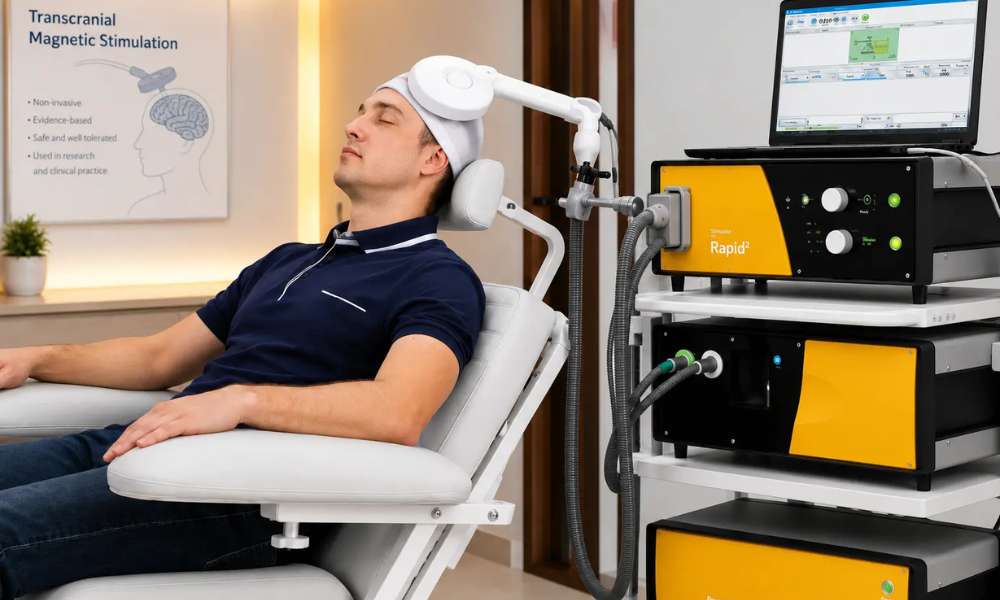
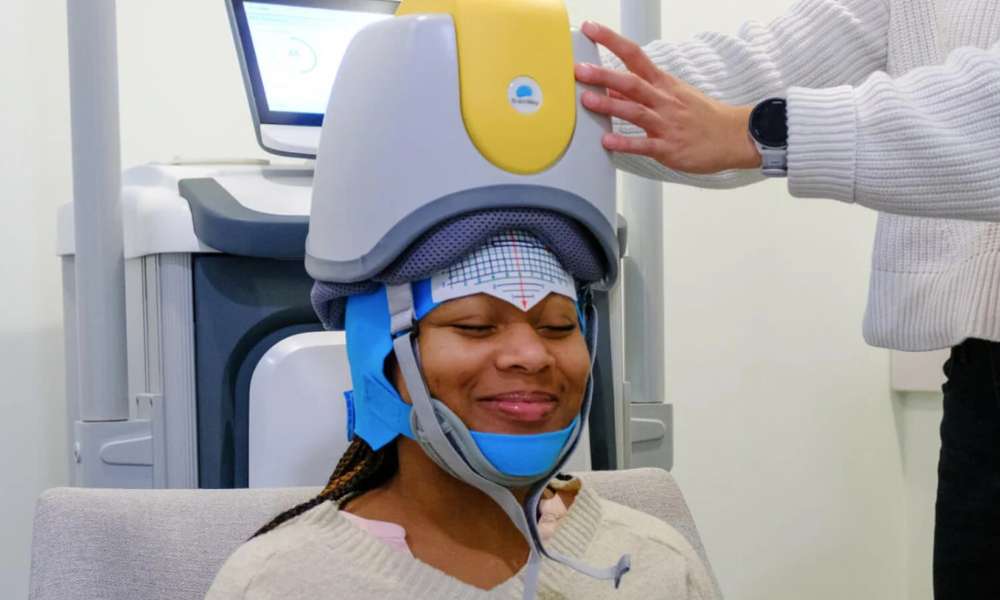
TMS Therapy, or Transcranial Magnetic Stimulation, is a non-invasive treatment that uses gentle magnetic pulses to stimulate specific areas of the brain involved in mood regulation. Unlike surgical procedures, it does not require anesthesia or hospitalization, allowing patients to return to their normal activities shortly after each session.
Understanding how TMS Therapy Helps Patients Recover from Mental Burnout and Stress allows individuals to explore modern treatment options that may improve emotional resilience, restore motivation, and enhance overall quality of life.
1. TMS Therapy Targets Brain Areas Linked to Emotional Health
Mental burnout and chronic stress may affect how certain areas of the brain function. Reduced activity in these regions can contribute to emotional exhaustion, difficulty concentrating, low motivation, and persistent feelings of stress.
TMS Therapy delivers carefully controlled magnetic pulses to targeted brain regions responsible for mood regulation. These magnetic pulses stimulate nerve cells and encourage healthier brain activity without the need for surgery or medication.
By improving brain function, TMS Therapy may help patients experience better emotional balance and gradually recover from long-term burnout.
2. TMS Therapy Helps Reduce Emotional Exhaustion
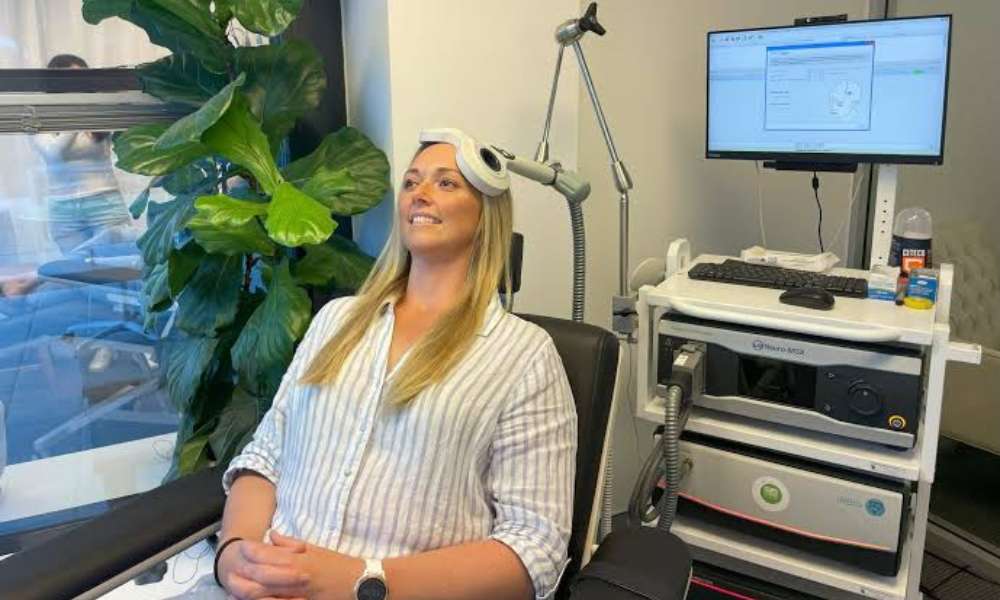
One of the most noticeable symptoms of mental burnout is emotional exhaustion. People often feel mentally drained, overwhelmed, and unable to enjoy activities they once found meaningful.
TMS Therapy may help reduce emotional fatigue by supporting healthier communication between brain cells involved in emotional regulation.
As treatment progresses, many patients report improvements in mood, motivation, and overall mental clarity.
Reducing emotional exhaustion allows individuals to participate more actively in work, family life, and personal interests.
3. TMS Therapy Improves Focus and Mental Clarity
Burnout and prolonged stress frequently affect concentration and decision-making abilities. Many individuals struggle to complete tasks, remain productive, or think clearly throughout the day.
TMS Therapy may improve cognitive function by stimulating brain regions involved in attention, memory, and executive functioning. As brain activity becomes more balanced, patients often notice greater focus, improved productivity, and clearer thinking.
Better mental clarity makes it easier to manage responsibilities while reducing feelings of overwhelm.
4. TMS Therapy Supports Better Stress Recovery
Chronic stress places continuous pressure on both the brain and body. Without proper recovery, emotional resilience gradually declines, making even small challenges feel overwhelming.
TMS Therapy helps support the brain’s natural ability to regulate emotional responses more effectively. Many patients report feeling calmer, more emotionally stable, and better able to cope with stressful situations after completing treatment.
Improved stress recovery contributes to healthier emotional functioning and greater overall well-being. TMS Therapy may also help reduce Anxiety symptoms by improving emotional regulation and helping patients respond more calmly to everyday stress.
5. TMS Therapy May Improve Sleep Quality
Mental burnout and chronic stress often disrupt healthy sleep patterns. Many individuals struggle to fall asleep, wake up frequently during the night, or feel exhausted even after getting enough rest. Poor sleep can further increase emotional fatigue and make recovery more difficult.
TMS Therapy may help improve sleep quality by supporting healthier brain activity involved in emotional regulation. As stress levels decrease and mood improves, many patients notice they sleep more comfortably and wake up feeling more refreshed.
Better sleep allows the brain and body to recover more effectively, helping patients regain energy and emotional balance.
6. TMS Therapy Helps Restore Motivation
People experiencing mental burnout frequently lose interest in work, hobbies, and daily responsibilities. Even simple tasks may feel overwhelming due to emotional exhaustion and reduced motivation.
TMS Therapy may help restore motivation by improving the function of brain areas responsible for mood, reward, and emotional processing. As treatment progresses, many patients report feeling more interested in daily activities and better able to accomplish personal and professional goals.
Improved motivation often encourages healthier routines that support long-term emotional recovery.
7. TMS Therapy Supports Better Emotional Resilience
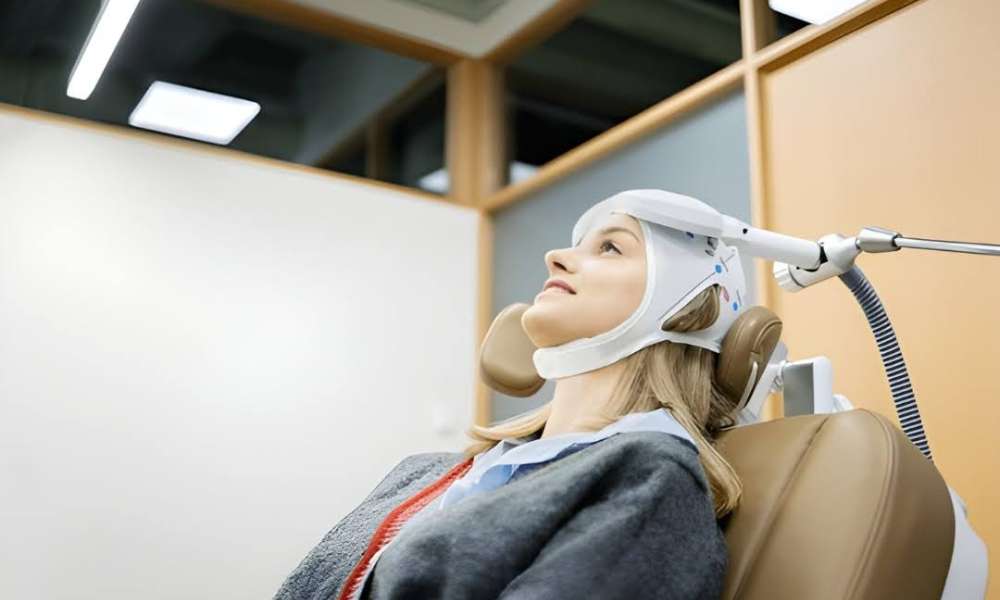
Emotional resilience is the ability to recover from stress, setbacks, and challenging life experiences. Individuals suffering from burnout often find it difficult to cope with everyday pressures because prolonged stress has weakened their emotional resilience.
TMS Therapy may strengthen emotional regulation by improving communication between important brain regions involved in managing emotions. Patients often become better equipped to handle stressful situations without feeling overwhelmed.
Greater emotional resilience allows individuals to adapt more effectively to challenges while maintaining a healthier emotional outlook.
8. TMS Therapy Can Complement Other Treatments
Recovery from mental burnout often requires a combination of treatment approaches rather than relying on one solution alone. Counseling, healthy lifestyle changes, stress management techniques, and medication may all play important roles depending on each individual’s needs.
TMS Therapy is often used alongside these treatments to provide additional support for emotional recovery. When combined with professional counseling, regular exercise, healthy nutrition, and quality sleep, patients may experience greater improvements in overall mental well-being.
A comprehensive treatment plan helps address both the emotional and physical effects of long-term burnout and chronic stress.
9. TMS Therapy Improves Overall Quality of Life
Mental burnout often affects every area of life, including work performance, relationships, physical health, and emotional well-being. Many individuals find it difficult to enjoy activities they once loved because constant stress leaves them feeling emotionally exhausted.
TMS Therapy may help improve overall quality of life by reducing emotional distress and restoring healthier brain function. As patients experience better mood, increased energy, and improved focus, they often become more engaged in daily activities and personal relationships.
A better quality of life allows individuals to regain confidence and enjoy greater emotional stability. Beyond treating emotional burnout, TMS Therapy offers several mental health benefits that may improve overall well-being and daily functioning.
10. TMS Therapy Requires No Surgery or Long Recovery Time
One of the major advantages of TMS Therapy is that it is a completely non-invasive treatment. Unlike surgical procedures, it does not require anesthesia, incisions, or hospitalization.
Each treatment session usually lasts between 20 and 40 minutes, and most patients can return to work or normal daily activities immediately afterward. This convenience makes TMS Therapy an attractive option for individuals with busy schedules.
Because there is no lengthy recovery period, patients can continue their regular routines while receiving treatment.
11. TMS Therapy May Help When Other Treatments Have Not Worked
Some individuals continue experiencing mental burnout and emotional stress despite trying counseling, medication, or lifestyle changes. When symptoms persist, additional treatment options may be considered.
TMS Therapy is often recommended for patients whose symptoms have not improved with traditional treatments alone. Directly stimulating targeted areas of the brain involved in emotional regulation, it offers another approach to supporting recovery.
A qualified healthcare provider can determine whether TMS Therapy is an appropriate option based on an individual’s medical history and specific needs.
12. TMS Therapy Supports Long-Term Emotional Recovery
Recovering from mental burnout is usually a gradual process rather than an overnight change. Long-term improvement depends on developing healthier emotional patterns while maintaining supportive daily habits.
TMS Therapy helps many patients build a stronger foundation for emotional wellness by improving brain function and supporting healthier mood regulation. When combined with counseling, stress management, regular exercise, balanced nutrition, and quality sleep, treatment may contribute to lasting improvements in mental health.
Long-term emotional recovery allows individuals to regain confidence, improve productivity, strengthen relationships, and enjoy a healthier, more balanced lifestyle.
Benefits of TMS Therapy
- TMS Therapy may reduce symptoms of mental burnout and chronic stress by improving brain function.
- Supports better emotional regulation and helps patients maintain a more balanced mood.
- Improves focus, concentration, and mental clarity during daily activities.
- Helps restore motivation and increases energy for work and personal responsibilities.
- May improve sleep quality, allowing the brain and body to recover more effectively.
- Strengthens emotional resilience and helps individuals cope with stressful situations.
- Provides a non-invasive treatment option without surgery, anesthesia, or extended recovery time.
- Complements counseling, medication, and healthy lifestyle habits to support long-term emotional recovery.
Frequently Asked Questions (FAQ)
What is TMS Therapy?
TMS Therapy is a non-invasive treatment that uses magnetic pulses to stimulate specific areas of the brain involved in mood regulation and emotional health.
Can TMS Therapy help with mental burnout?
Many patients experience improvements in emotional exhaustion, motivation, and mental clarity after completing treatment, although results vary from person to person.
Is TMS Therapy painful?
Most patients tolerate treatment well. Some may experience mild scalp discomfort or a slight tapping sensation during the session, which usually decreases over time.
How long does a TMS Therapy session take?
A typical session usually lasts between 20 and 40 minutes, depending on the treatment plan recommended by the healthcare provider.
Can patients return to work after treatment?
Yes. Since the procedure is non-invasive and does not require anesthesia, most patients resume normal daily activities immediately after each session.
Is TMS Therapy used with other treatments?
Yes. It is often combined with counseling, medication, stress management, and healthy lifestyle changes for the best possible outcomes.
Who may benefit from TMS Therapy?
Individuals experiencing persistent emotional symptoms that have not improved with traditional treatment approaches may be evaluated as potential candidates.
How soon can results be noticed?
Some patients notice improvements within a few weeks, while others may require additional sessions before experiencing significant benefits.
Conclusion
Mental burnout and chronic stress can significantly affect emotional health, productivity, relationships, and overall quality of life. While traditional treatments remain important, TMS Therapy offers a modern, non-invasive option that may help restore healthier brain activity and improve emotional well-being.
Understanding how TMS Therapy Helps Patients Recover from Mental Burnout and Stress highlights the value of combining innovative treatment with healthy lifestyle habits and professional support. With the right care plan, TMS Therapy can help many individuals regain motivation, improve resilience, reduce emotional exhaustion, and move toward long-term mental wellness.