
Key Takeaways
- TMS therapy may help improve emotional wellness without invasive medical procedures.
- Professional treatment supports healthier mood regulation and emotional stability over time.
- Many individuals experience improvements in motivation, focus, and daily functioning.
- TMS therapy can support people struggling with persistent emotional health challenges.
- Non-invasive treatment options often provide additional mental health support.
- Emotional well-being may improve through consistent treatment and professional guidance.
- TMS therapy may help reduce symptoms affecting daily life and relationships.
- Long-term mental wellness often benefits from early intervention and ongoing support.
Mental health challenges can affect every aspect of a person’s life, including relationships, work performance, emotional stability, and overall quality of life. Many individuals experience persistent emotional struggles that make daily activities feel overwhelming.
While traditional treatments help many people, others continue searching for additional options that support emotional recovery and long-term mental wellness.
The Benefits of TMS Therapy have gained attention because this treatment offers a non-invasive approach designed to support emotional health.
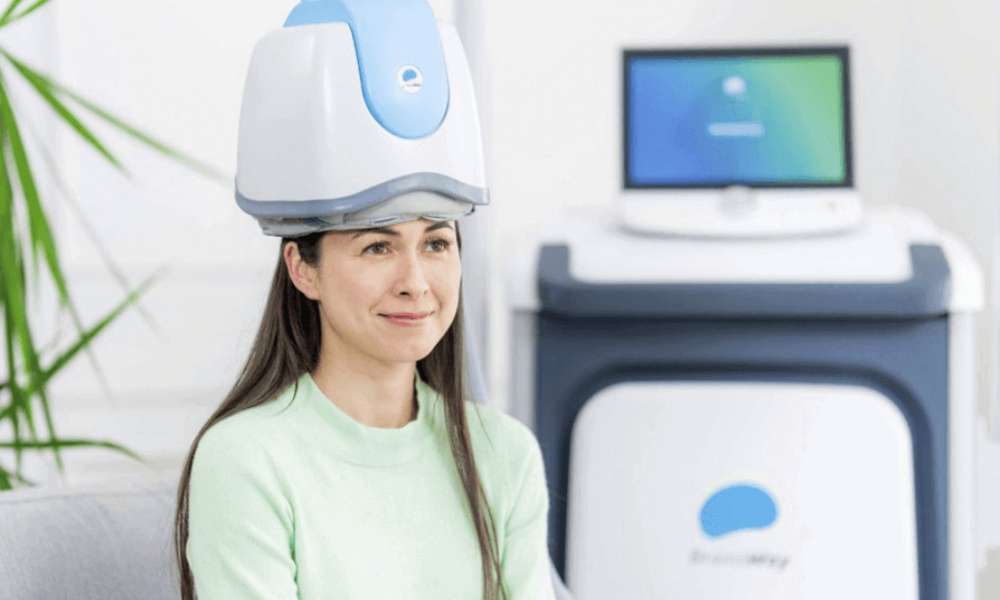
Transcranial Magnetic Stimulation (TMS) uses targeted magnetic pulses to stimulate specific areas of the brain associated with mood regulation. Many individuals explore this treatment when looking for additional support in managing ongoing emotional difficulties.
Understanding how TMS therapy works and its potential benefits can help people make informed decisions about their mental health care.
Understanding How TMS Therapy Works
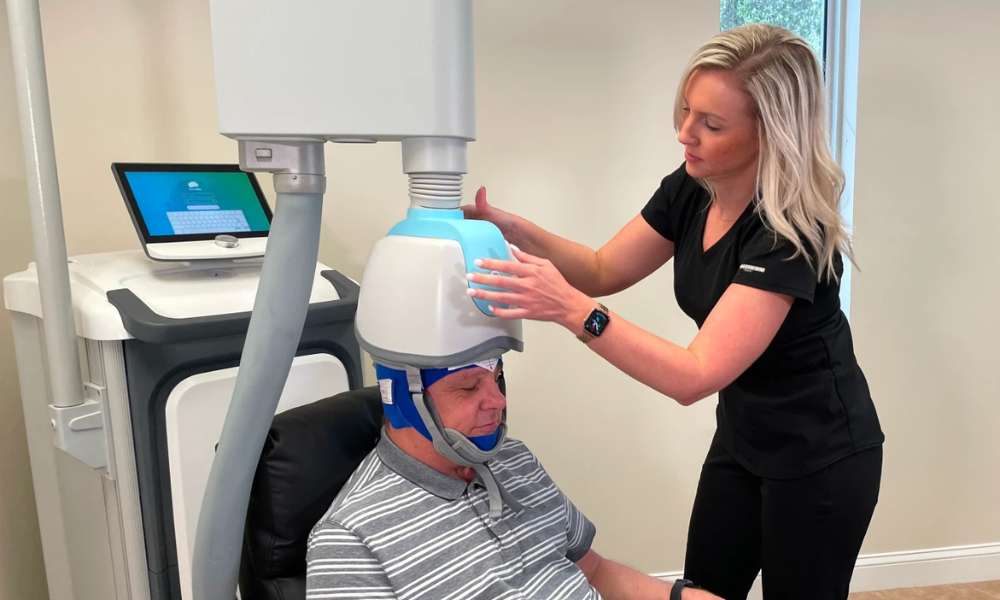
TMS therapy is a non-invasive treatment that uses magnetic stimulation to target areas of the brain connected with emotional regulation. Unlike surgical procedures, TMS therapy does not require anesthesia or lengthy recovery periods.
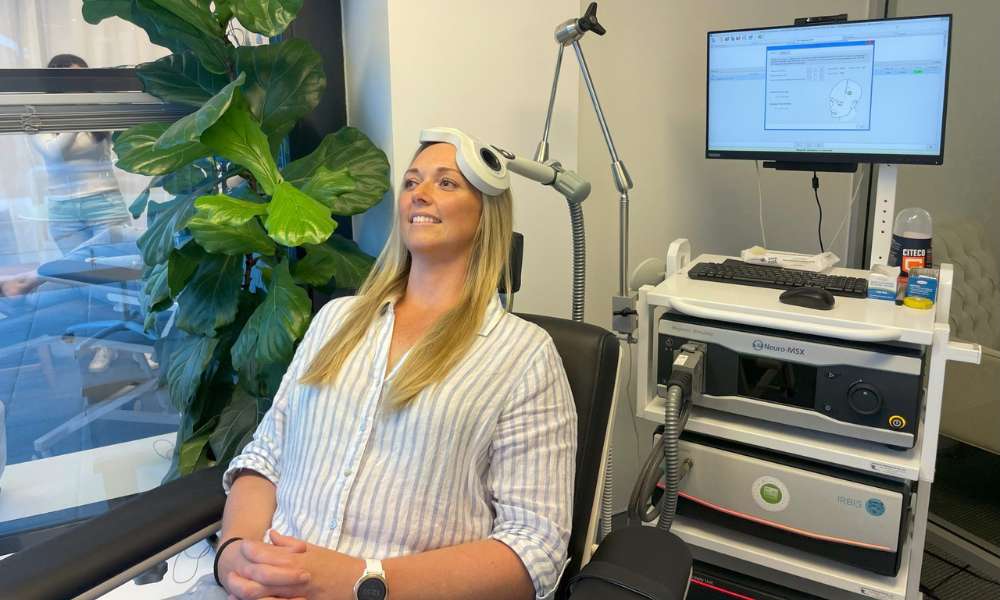
Individuals remain awake during treatment sessions while magnetic pulses are delivered to specific brain regions. The Benefits of TMS Therapy begin with its ability to support brain activity associated with mood and emotional responses.
Treatment plans are typically customized based on individual needs and monitored by trained professionals throughout the process.
Many people appreciate that the treatment is performed in a structured clinical environment with ongoing professional supervision.
Supporting Emotional Balance and Mood Stability

Emotional balance plays an important role in overall mental wellness. Persistent emotional difficulties can affect relationships, confidence, and daily responsibilities.
Many individuals struggle with mood fluctuations that make it difficult to maintain a healthy emotional outlook. One of the most recognized Benefits of TMS Therapy is its potential to support healthier mood regulation over time.
Consistent treatment sessions may help improve emotional stability and encourage more balanced emotional responses during everyday situations.
Improved emotional balance often contributes to better confidence, healthier relationships, and a greater sense of emotional well-being.
One of the key Benefits of TMS Therapy is its ability to support healthier emotional responses and long-term mood stability for many individuals.
Benefits of TMS Therapy for Long-Term Mental Health Support
Mental health recovery is often a long-term process that requires ongoing support and healthy coping strategies. Some individuals continue experiencing emotional challenges despite trying multiple treatment approaches.
This is why many people explore additional options designed to support long-term mental wellness. The Benefits of TMS Therapy may extend beyond short-term symptom management by supporting long-term emotional health goals.
Professional treatment combined with healthy lifestyle habits can help individuals maintain greater emotional resilience and improved mental stability. Long-term support is often essential for creating sustainable emotional progress and improving overall quality of life.
These long-term improvements are among the most valuable Benefits of TMS Therapy for individuals working toward lasting emotional wellness.
Improving Focus, Motivation, and Daily Functioning
Mental health challenges sometimes affect concentration, productivity, and motivation. Individuals may find it difficult to complete daily tasks, maintain routines, or stay engaged in personal and professional responsibilities. The Benefits of TMS Therapy may include improvements in focus, motivation, and overall daily functioning.
Many individuals report feeling more engaged with daily activities and better able to manage responsibilities after consistent treatment. Improved motivation often encourages healthier routines, increased productivity, and stronger participation in everyday life.
A Non-Invasive Treatment Option
Many people prefer treatment options that do not involve surgery or extensive recovery periods. One reason TMS therapy has gained popularity is that it offers a non-invasive approach to mental health support.
The Benefits of TMS Therapy include treatment sessions that are generally performed without anesthesia or hospitalization. Individuals can often return to their normal activities shortly after each session, making it a practical option for those with busy schedules.
This convenience allows many people to continue working, family responsibilities, and personal commitments while receiving treatment.
Supporting Emotional Wellbeing During Recovery
Emotional recovery often requires a combination of professional treatment, healthy habits, and ongoing support. Mental wellness is influenced by emotional awareness, stress management, and positive daily routines.
The Benefits of TMS Therapy may be enhanced when individuals also focus on healthy lifestyle practices. Regular exercise, quality sleep, balanced nutrition, and supportive relationships often contribute to stronger emotional wellbeing during recovery.
Combining professional care with positive lifestyle choices can support more comprehensive mental health improvement. Many individuals seek TMS therapy because it may help support emotional wellness, improve daily functioning, and encourage a healthier outlook on life over time.
The Importance of Professional Guidance

Mental health treatment should always be guided by qualified professionals who understand individual emotional needs and treatment goals. Professional evaluations help determine whether TMS therapy may be an appropriate option for a person’s specific situation.
The Benefits of TMS Therapy are often best experienced when treatment is provided within a structured care plan. Mental health professionals monitor progress, adjust treatment approaches when necessary, and provide ongoing support throughout the recovery process.
Professional guidance helps individuals make informed decisions and achieve better treatment outcomes.
How TMS Therapy Supports Everyday Quality of Life
Mental health challenges often affect more than emotional well-being alone. They can influence relationships, work performance, social interactions, and overall quality of life.
When emotional difficulties become persistent, individuals may find it harder to enjoy activities they once found meaningful. One of the important Benefits of TMS Therapy is its potential to improve everyday quality of life.
As emotional wellbeing improves, many individuals find it easier to participate in daily activities, maintain healthier relationships, and feel more engaged with their personal and professional responsibilities. These positive changes can contribute to greater life satisfaction over time.
Benefits of TMS Therapy for Building Emotional Resilience
Emotional resilience refers to a person’s ability to adapt and recover from stress, challenges, and difficult experiences. Strong emotional resilience often supports healthier coping skills and better stress management.
The Benefits of TMS Therapy may include helping individuals strengthen emotional resilience through improved mood regulation and emotional stability.
With ongoing professional support, people may feel more confident navigating life’s challenges while maintaining a healthier emotional outlook.
Combining TMS Therapy with Healthy Lifestyle Habits
Professional treatment is often most effective when combined with healthy daily habits. Quality sleep, regular exercise, balanced nutrition, and meaningful social connections all play important roles in supporting mental wellness. Many people experience greater Benefits of TMS Therapy when treatment is combined with positive lifestyle choices.
Together, these approaches can support emotional recovery, strengthen long-term mental health, and improve overall wellbeing. Consistency in both treatment and daily self-care often leads to more sustainable results.
Emotional and Lifestyle Benefits of TMS Therapy
TMS therapy may provide a variety of emotional and practical benefits that support overall mental wellness.
- Improved emotional stability supports healthier responses during challenging situations.
- Better mood regulation may strengthen confidence and emotional resilience over time.
- Increased motivation encourages greater participation in daily responsibilities and activities.
- Improved focus can support productivity at work, school, and home environments.
- Non-invasive treatment allows individuals to maintain normal daily routines comfortably.
- Professional supervision provides structured support throughout the treatment process.
- Emotional wellbeing may improve alongside healthier lifestyle habits and routines.
- Long-term mental wellness often benefits from consistent treatment and support.
Understanding the broader advantages of TMS treatment can help individuals make informed decisions when exploring supportive options for long-term mental wellness. These potential benefits contribute to improved quality of life and stronger emotional health for many individuals.
Who May Consider TMS Therapy?
TMS therapy may be considered by individuals seeking additional mental health support under professional guidance. Every person’s situation is unique, which is why proper evaluation is important before beginning treatment.
Some individuals who may explore TMS therapy include:
- People experiencing ongoing emotional health challenges despite previous treatment efforts.
- Individuals seeking non-invasive mental health treatment options under professional supervision.
- Those looking for additional support to improve emotional stability and daily functioning.
- People are interested in structured treatment approaches focused on emotional well-being.
- Individuals working toward long-term mental health improvement and emotional resilience.
- Those seeking professional care that complements healthy lifestyle practices effectively.
- People looking for supportive treatment options tailored to individual emotional needs.
- Individuals committed to improving overall mental wellness through comprehensive care.
Frequently Asked Questions (FAQ)
What is TMS therapy?
TMS therapy is a non-invasive treatment that uses magnetic stimulation to support mental health care.
How does TMS therapy work?
It stimulates specific areas of the brain associated with mood regulation and emotional responses.
Is TMS therapy invasive?
No, TMS therapy is a non-invasive treatment that does not require surgery.
Can TMS therapy support emotional wellbeing?
Many individuals use TMS therapy as part of a broader mental health treatment plan.
How long does TMS therapy take?
Treatment schedules vary depending on individual needs and professional recommendations.
Can people continue daily activities after treatment?
Many individuals return to normal daily routines following treatment sessions.
Is professional supervision important during TMS therapy?
Yes, treatment should be guided and monitored by qualified mental health professionals.
Can TMS therapy support long-term mental wellness?
Many people explore TMS therapy as part of a long-term mental health support strategy. The Benefits of TMS Therapy are often most noticeable when individuals remain committed to their treatment plan and overall mental wellness goals.
Ongoing support, healthy habits, and professional guidance can work together to create lasting improvements in emotional health and daily functioning.
Conclusion
Mental health challenges can affect emotional stability, daily functioning, and overall quality of life. Exploring supportive treatment options may help individuals find effective ways to improve emotional wellbeing and long-term mental wellness.
Understanding the Benefits of TMS Therapy allows people to learn about a non-invasive treatment option that supports emotional health through targeted brain stimulation.
When combined with professional guidance, healthy lifestyle habits, and ongoing emotional support, TMS therapy may contribute to improved mood regulation, stronger emotional resilience, and a healthier quality of life. Consistent care and informed treatment decisions remain important parts of achieving long-term emotional wellbeing.