

Key Takeaways
- Preparing properly for your first TMS Therapy session can help you feel more comfortable and confident throughout treatment.
- Understanding how TMS Therapy works reduces fear and uncertainty before the first appointment.
- Following your provider’s instructions supports a smoother and more effective treatment experience.
- Getting enough sleep and eating healthy meals before treatment may improve your overall well-being.
- Comfortable clothing and arriving early can make your session less stressful.
- Open communication with your healthcare provider helps personalize your treatment plan.
- Managing stress before each session allows you to approach treatment with a calmer mindset.
- Staying consistent throughout the TMS Therapy program often leads to better long-term results.
Introduction
Depression and other mental health conditions can significantly affect a person’s quality of life, relationships, work performance, and emotional well-being. While many people benefit from medication and counseling, others continue to experience symptoms even after trying several treatment options. For these individuals, TMS Therapy has become an increasingly popular non-invasive treatment that offers new hope for symptom relief.
TMS Therapy, or Transcranial Magnetic Stimulation Therapy, uses magnetic pulses to stimulate specific areas of the brain involved in mood regulation. Unlike surgery or medication, it is a non-invasive procedure that does not require anesthesia or a lengthy recovery period. Most patients remain awake during treatment and are able to return to their normal daily activities immediately afterward.
Although the treatment itself is straightforward, preparing properly before your first TMS Therapy session can help improve your overall experience. Knowing what to expect, following your provider’s recommendations, and maintaining healthy daily habits can reduce anxiety while helping you feel more confident throughout the treatment process.
Understanding how to prepare for Your First TMS Therapy Session for Better Results allows patients to approach treatment with realistic expectations, greater comfort, and a positive mindset that supports long-term success.
1. Learn How TMS Therapy Works Before Your First Session
One of the best ways to prepare for your first TMS Therapy appointment is to understand how the treatment works. Many people feel nervous simply because they are unfamiliar with the procedure. Learning about the treatment process can replace uncertainty with confidence and realistic expectations.
During TMS Therapy, a specialized device delivers gentle magnetic pulses to targeted areas of the brain that influence mood and emotional regulation. The treatment is performed while you remain awake and comfortably seated. Sessions are generally short, and most individuals are able to return to work or continue their daily routine immediately afterward.
Understanding the purpose of the treatment, how long sessions usually last, and what sensations you may experience helps reduce unnecessary worry. Patients who begin treatment with realistic expectations often feel more relaxed and better prepared for each session.
2. Talk Openly With Your Healthcare Provider

Clear communication with your healthcare provider is an important part of preparing for TMS Therapy. Before your first session, discuss your medical history, current symptoms, medications, previous treatments, and any concerns you may have about the procedure.
If you have implanted medical devices, a history of seizures, or other health conditions, your provider should be informed before treatment begins. This information helps determine whether TMS Therapy is appropriate and allows your provider to develop the safest and most effective treatment plan.
Do not hesitate to ask questions about the procedure, expected results, possible side effects, or the overall treatment schedule. Understanding each step helps build confidence and makes the experience less intimidating.
3. Follow All Pre-Treatment Instructions Carefully
Every treatment center may provide slightly different recommendations before your first TMS Therapy session. Carefully following these instructions helps ensure the treatment proceeds smoothly and safely.
Your provider may recommend maintaining your current medications unless instructed otherwise, avoiding alcohol before treatment, or following specific scheduling guidelines. Reading and understanding these instructions in advance prevents unnecessary stress on the day of your appointment.
Following professional guidance also helps reduce unexpected complications and allows the treatment team to focus on delivering the best possible care. Good preparation demonstrates your commitment to the treatment process and supports better overall results.
4. Get a Good Night’s Sleep Before Your Appointment
Quality sleep plays an important role in both physical and emotional health. Before beginning TMS Therapy, try to get a full night’s sleep whenever possible. Being well-rested often helps patients feel calmer, more focused, and emotionally balanced during treatment.
Lack of sleep may increase stress, irritability, and anxiety, making the first session feel more overwhelming than necessary. Developing healthy bedtime habits such as limiting screen time, avoiding caffeine late in the day, and maintaining a consistent sleep schedule can improve your overall treatment experience.
Better sleep also supports brain function, concentration, and emotional resilience, all of which contribute to a more comfortable first TMS Therapy session.
5. Eat a Healthy Meal and Stay Hydrated
Proper nutrition and hydration help your body function at its best before any medical appointment, including TMS Therapy. Eating a balanced meal before your session can help maintain stable energy levels while preventing unnecessary fatigue or lightheadedness.
Choose nutritious foods that provide lasting energy, such as whole grains, lean protein, fruits, and vegetables. Drinking enough water throughout the day also supports overall physical and mental well-being.
Although TMS Therapy does not usually require any dietary restrictions, arriving well-nourished and hydrated often helps patients feel more comfortable during treatment. Maintaining these healthy habits throughout your treatment program may also support your overall recovery and emotional health.
6. Wear Comfortable Clothing During Your TMS Therapy Session
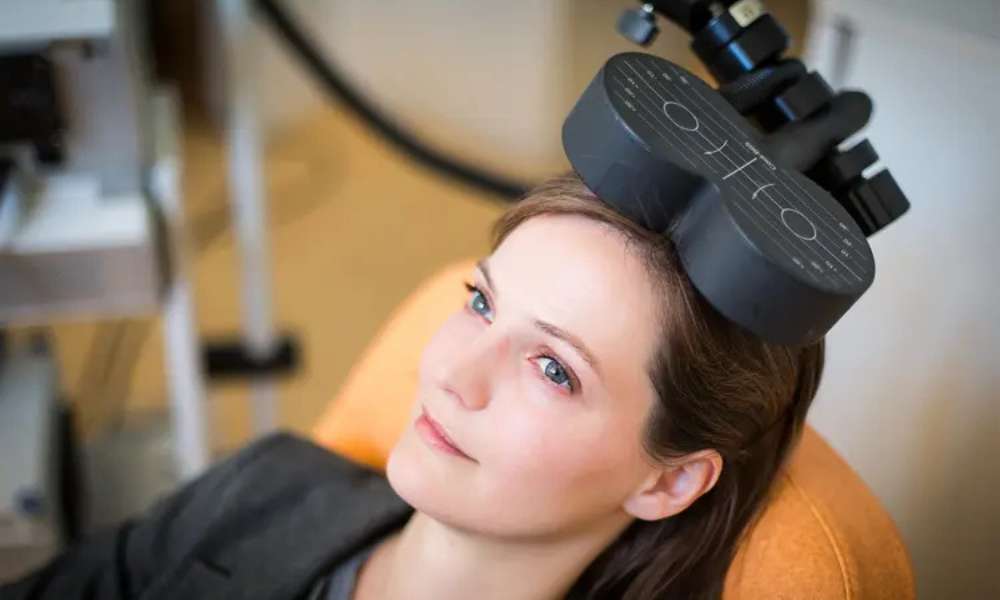
Choosing comfortable clothing may seem like a small detail, but it can make your first TMS Therapy appointment much more relaxing. Since you will be sitting in a treatment chair for the duration of the session, wearing loose, comfortable clothing helps you feel more at ease and minimizes unnecessary distractions.
Avoid clothing that feels overly tight or restrictive, especially around your neck and shoulders. Comfortable shoes and breathable fabrics can also make the experience more pleasant. Feeling physically comfortable often helps patients stay relaxed, allowing them to focus on the treatment rather than minor discomforts.
Simple preparations like dressing comfortably contribute to a more positive TMS Therapy experience and help reduce unnecessary stress before your appointment.
7. Arrive Early and Give Yourself Time to Relax
Arriving a little early for your first TMS Therapy session can make a significant difference in how you feel before treatment begins. Rushing through traffic or worrying about being late may increase stress and nervousness, making it harder to relax.
By arriving 10 to 15 minutes early, you allow yourself time to complete any paperwork, speak with the treatment team, and settle into a calm mindset before your session starts. This extra time also gives you the opportunity to ask any last-minute questions or discuss concerns with your provider.
Beginning TMS Therapy in a relaxed state often creates a more comfortable first experience and helps build confidence for future sessions.
8. Understand the Sensations You May Experience
Many people feel nervous before their first TMS Therapy appointment because they are unsure what the treatment will feel like. Understanding the normal sensations beforehand helps reduce fear and unnecessary anxiety.
During treatment, you may notice a light tapping sensation on your scalp as the magnetic pulses are delivered. Some patients also experience mild muscle twitching around the forehead or jaw during the first few sessions. These sensations are generally temporary and often become less noticeable as treatment continues.
Knowing what to expect allows you to approach TMS Therapy with greater confidence. If anything feels uncomfortable during your session, let your provider know so they can make adjustments to improve your comfort.
9. Manage Stress Before Your Appointment
Feeling slightly nervous before starting TMS Therapy is completely normal. However, excessive stress may make your first session feel more overwhelming than necessary. Taking steps to relax before your appointment can help you begin treatment with a calmer mindset.
Simple relaxation techniques such as deep breathing, meditation, gentle stretching, listening to calming music, or taking a short walk can help reduce emotional tension before your session. Avoid filling your schedule with stressful activities immediately before your appointment whenever possible.
Managing stress effectively allows you to feel more comfortable during TMS Therapy and supports a more positive treatment experience from the very beginning.
10. Continue Taking Medications Unless Your Provider Advises Otherwise
Many patients wonder whether they should stop taking their medications before beginning TMS Therapy. In most cases, you should continue taking your prescribed medications exactly as directed unless your healthcare provider specifically recommends making changes.
Stopping medications without professional guidance may increase symptoms or interfere with your overall treatment plan. Your provider will carefully review your current medications before starting TMS Therapy and determine whether any adjustments are necessary based on your individual situation.
Following your provider’s recommendations helps ensure the safest and most effective treatment experience while allowing TMS Therapy to become part of your overall mental health care.
11. Plan Your Daily Schedule Around Your TMS Therapy Appointment
Preparing your daily schedule before each TMS Therapy session can help make the treatment process much smoother. Although most people can return to work or continue their normal activities immediately after treatment, allowing yourself a little flexibility on appointment days can reduce unnecessary pressure and help you stay relaxed.
Try to avoid scheduling stressful meetings, demanding tasks, or important commitments immediately before your appointment. Giving yourself enough time to travel, arrive early, and remain calm allows you to focus fully on your treatment. Many patients find that planning their day around TMS Therapy helps them stay consistent with appointments and reduces the likelihood of missing sessions.
A well-organized schedule also supports better treatment adherence, which is one of the most important factors in achieving successful long-term results.
12. Stay Consistent Throughout Your TMS Therapy Treatment Plan

One of the most important factors influencing the success of TMS Therapy is consistency. While some individuals notice improvements after only a few sessions, most patients require multiple treatments over several weeks before experiencing the full benefits. Skipping appointments or ending treatment too early may reduce the overall effectiveness of the therapy.
Following the schedule recommended by your healthcare provider gives your brain sufficient time to respond to the magnetic stimulation. As treatment progresses, many individuals notice gradual improvements in mood, motivation, concentration, emotional balance, and daily functioning.
It is also important to maintain healthy lifestyle habits throughout your TMS Therapy program. Regular exercise, balanced nutrition, quality sleep, stress management, and positive daily routines work together with treatment to support better emotional well-being. Remaining patient and committed throughout the process often leads to more meaningful and long-lasting improvements.
Benefits of Preparing for Your First TMS Therapy Session
- Helps reduce fear and uncertainty by giving patients a clear understanding of what to expect during their first TMS Therapy appointment.
- Improves comfort during treatment by encouraging proper sleep, healthy nutrition, hydration, and stress management before each session.
- Supports better communication between patients and healthcare providers, allowing treatment plans to be personalized according to individual needs.
- Increases confidence by helping patients feel mentally and emotionally prepared before beginning TMS Therapy.
- Encourages greater consistency with appointments, which is one of the most important factors for achieving successful treatment outcomes.
- Reduces unnecessary stress and anxiety before each session, creating a more comfortable and positive treatment experience.
- Helps patients develop realistic expectations about the treatment process, progress, and recovery timeline.
- Supports better long-term results by combining healthy lifestyle habits with a consistent TMS Therapy treatment plan.
Frequently Asked Questions (FAQ)
What should I do before my first TMS Therapy session?
Before your first TMS Therapy session, get enough sleep, eat a healthy meal, stay hydrated, wear comfortable clothing, and carefully follow any instructions provided by your healthcare provider.
Is TMS Therapy painful?
No. TMS Therapy is generally not considered painful. Most patients experience only a gentle tapping sensation on the scalp during treatment, and any mild discomfort usually decreases after the first few sessions.
Can I eat before my TMS Therapy appointment?
Yes. Eating a healthy meal before your appointment is usually recommended because it helps maintain energy levels and allows you to feel more comfortable during treatment.
Should I continue taking my medications?
In most cases, yes. Continue taking your prescribed medications unless your healthcare provider specifically instructs you to make changes before starting TMS Therapy.
How long does a TMS Therapy session usually take?
Most TMS Therapy sessions last between 20 and 40 minutes, depending on the treatment protocol recommended by your provider.
Can I drive home after treatment?
Yes. Because TMS Therapy does not require anesthesia or sedation, most patients can safely drive themselves home and continue with normal daily activities afterward.
What should I wear to my appointment?
Wear loose, comfortable clothing that allows you to relax throughout the session. Comfortable clothing can make the overall treatment experience more pleasant.
How many TMS Therapy sessions will I need?
The number of sessions varies depending on individual needs and treatment goals. Many treatment plans include sessions five days a week for several weeks, followed by follow-up appointments if necessary.
Conclusion
Beginning TMS Therapy is an important step toward improving mental health and emotional well-being. Taking time to prepare before your first session can help reduce uncertainty, improve comfort, and create a more positive treatment experience.
Simple habits such as learning about the procedure, communicating openly with your healthcare provider, getting enough sleep, eating nutritious meals, and arriving relaxed can make a meaningful difference.
Understanding how to prepare for Your First TMS Therapy Session for Better Results allows patients to approach treatment with confidence and realistic expectations. By staying consistent with appointments and maintaining healthy lifestyle habits throughout the treatment process.
Many individuals experience lasting improvements in mood, emotional resilience, and overall quality of life. Working closely with your healthcare provider and remaining committed to your treatment plan gives you the best opportunity to achieve successful long-term results from TMS Therapy.