Key Takeaways
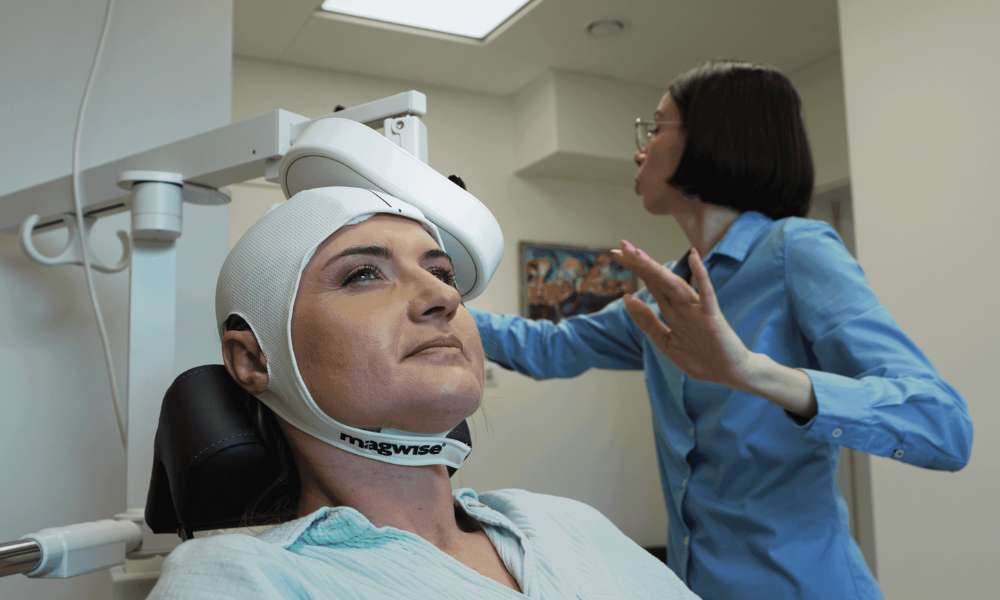
- TMS Therapy is a non-invasive treatment that uses magnetic pulses to stimulate specific areas of the brain.
- Unlike medication, TMS Therapy does not require daily drug use.
- TMS Therapy is designed to target brain activity associated with depression symptoms.
- Traditional talk therapy focuses on thoughts, emotions, and behavioral patterns.
- Many patients choose TMS Therapy when medication has not provided sufficient results.
- TMS sessions are performed while patients remain awake and alert.
- TMS Therapy does not involve anesthesia or surgical procedures.
- Understanding treatment differences can help individuals make informed mental health decisions.
Introduction
When seeking treatment for depression and other mental health challenges, individuals are often presented with several options. Medication, traditional psychotherapy, and Transcranial Magnetic Stimulation (TMS) Therapy are among the most commonly discussed approaches.
While each treatment method aims to support mental health, they work in very different ways and may offer different benefits depending on an individual’s needs and circumstances.
Many people are familiar with antidepressant medications and talk therapy because they have been used for decades. However, awareness of TMS Therapy has grown significantly in recent years as more individuals explore alternative treatment options.
Understanding how Therapy differs from medication and traditional therapy methods can help patients and families make more informed decisions when considering mental health treatment options.
1. TMS Therapy Uses Magnetic Stimulation Instead of Medication
One of the biggest differences between TMS Therapy and medication is the way treatment is delivered. Antidepressant medications work by affecting chemical activity throughout the body and brain, often requiring daily use for extended periods.
In contrast, TMS Therapy uses targeted magnetic pulses to stimulate specific areas of the brain associated with mood regulation. This approach allows treatment to focus directly on brain activity without requiring patients to take medication every day.
Many individuals explore TMS as an alternative when they prefer a non-medication option or when traditional medications have not provided the results they expected. Because the treatment targets specific brain regions rather than affecting the entire body, it represents a unique approach within modern mental health care.
2. TMS Therapy Does Not Require Daily Medication
Unlike antidepressants that typically require consistent daily use, TMS Therapy is delivered through scheduled treatment sessions. Patients attend appointments several times per week according to a treatment plan created by their healthcare provider.
This difference can be appealing for individuals who find it challenging to maintain long-term medication schedules or who prefer treatment options that do not involve taking pills every day. During a TMS session, patients remain awake and alert while magnetic stimulation is administered.
After treatment, most individuals are able to return to their normal activities without significant interruption. This convenience is one reason why TMS continues to gain attention as an alternative treatment option.
3. TMS Therapy Directly Targets Specific Brain Regions

Another important distinction is that TMS Therapy focuses on stimulating targeted areas of the brain associated with depression symptoms and mood regulation. Traditional medications circulate throughout the body and influence brain chemistry more broadly.
TMS treatment, however, is designed to affect specific neural pathways linked to emotional functioning. This targeted approach is one of the reasons many healthcare professionals view TMS as a unique form of treatment.
By concentrating on particular brain regions, the therapy aims to influence activity in areas that may contribute to depressive symptoms. Understanding this difference helps explain why TMS is often discussed separately from medication-based treatment options.
4. Traditional Therapy Focuses on Thoughts and Behaviors
Traditional therapy and counseling primarily focus on helping individuals understand their thoughts, emotions, and behavioral patterns. During sessions, people work closely with a therapist to discuss personal experiences, challenges, relationships, and coping strategies.
The goal is often to identify unhealthy thinking patterns and develop healthier ways of responding to life’s difficulties. While TMS Therapy focuses on stimulating specific areas of the brain, traditional therapy focuses on emotional insight, communication, and behavioral change.
Both approaches aim to support mental health, but they work through very different methods. Many individuals find that counseling helps them gain a deeper understanding of their emotions and teaches practical skills that can be applied in everyday life.
5. TMS Therapy Sessions Are Non-Invasive
One of the reasons many people are interested in TMS Therapy is that it is considered a non-invasive treatment. Unlike surgical procedures or other medical interventions, TMS does not require incisions, injections, or anesthesia.
Patients remain awake and comfortable throughout the treatment session while magnetic pulses are delivered to targeted areas of the brain. Most appointments are completed within a relatively short period, allowing individuals to continue their normal daily activities afterward.
Because the procedure does not involve surgery or hospitalization, many patients appreciate the convenience and simplicity of the treatment process. This non-invasive nature makes TMS different from several other medical treatment approaches.
6. Medication May Affect the Entire Body
Antidepressant medications are designed to influence neurotransmitters and chemical processes within the brain. However, because medication travels through the bloodstream, its effects are not limited to one specific area. As a result, treatment can influence multiple systems throughout the body.
TMS Therapy differs because it focuses directly on targeted regions of the brain without circulating through the entire body. This distinction is often highlighted when discussing different treatment options.
Understanding how each treatment works allows individuals to have more informed discussions with healthcare providers about which approach may be most appropriate for their specific needs and treatment goals.
7. TMS Therapy Does Not Involve Traditional Talk Sessions
Traditional psychotherapy relies heavily on conversation and emotional exploration. Patients often spend sessions discussing personal experiences, emotional struggles, family relationships, and life challenges.
In contrast, TMS Therapy does not require extensive discussion or emotional processing during treatment sessions. The primary focus is on delivering magnetic stimulation to specific brain regions rather than engaging in therapeutic conversations.
Patients typically sit comfortably during treatment while remaining awake and alert. This difference makes TMS unique because it approaches mental health treatment from a neurological perspective rather than a conversational or behavioral one.
8. TMS Therapy May Be Considered When Other Treatments Have Not Helped
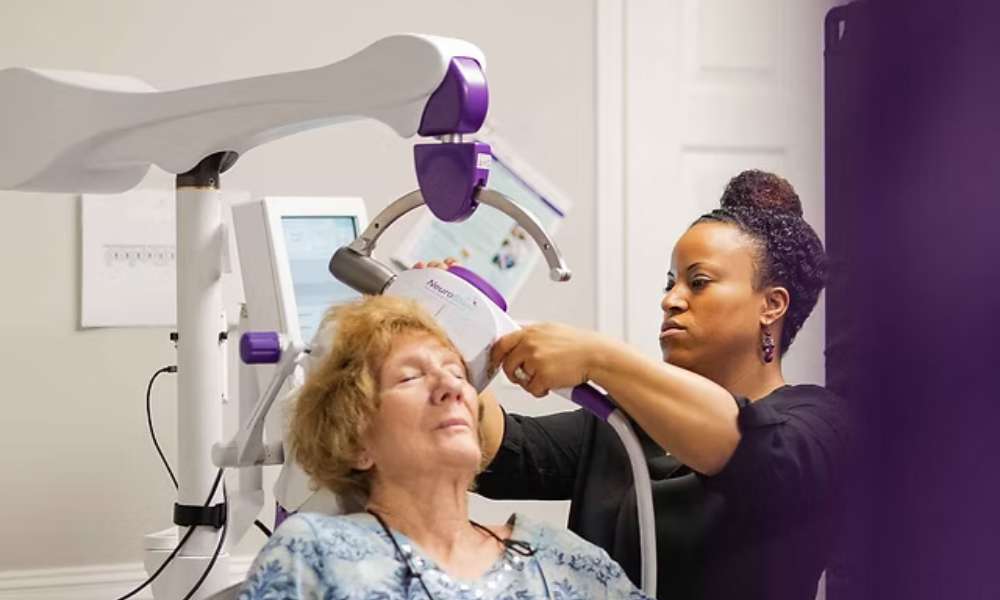
Many individuals explore TMS Therapy after trying medication, counseling, or other treatment approaches without achieving the results they hoped for. Depression affects people differently, and not every treatment option works equally well for every individual.
In some cases, healthcare providers may recommend discussing TMS when symptoms continue despite previous treatment efforts. This does not mean that traditional methods have failed completely, but rather that another approach may be worth considering.
Having multiple treatment options available allows patients and providers to develop more personalized treatment plans based on individual experiences and needs.
9. Traditional Therapy Builds Long-Term Coping Skills
One major advantage of traditional therapy is its focus on developing practical coping strategies that can be used throughout life. Therapy often helps individuals improve communication skills, manage stress more effectively, strengthen relationships, and respond to challenges in healthier ways.
While TMS Therapy focuses on brain activity, counseling focuses on helping people better understand themselves and develop valuable emotional skills. These coping tools can continue benefiting individuals long after therapy sessions have ended.
Many people find that the lessons learned during counseling help them navigate future challenges with greater confidence and emotional awareness.
10. TMS Therapy Sessions Follow a Structured Treatment Schedule
Unlike traditional therapy, where appointment frequency may vary depending on individual needs, TMS Therapy typically follows a structured treatment schedule. Patients usually attend sessions several times per week over a period of weeks as recommended by their healthcare provider.
This organized approach allows treatment to be delivered consistently according to a specific plan. Medication schedules can also vary, but TMS treatment often follows a clearly defined timeline. Understanding this structured process helps patients know what to expect before beginning treatment and allows them to plan their schedules accordingly.
11. How TMS Therapy Fits Into Modern Mental Health Treatment Plans
Mental health treatment is rarely a one-size-fits-all process. Different individuals respond differently to medication, psychotherapy, lifestyle changes, and other treatment approaches. This is why many mental health professionals consider TMS Therapy an important part of modern treatment planning.
Rather than replacing all other forms of care, TMS is often used as one component of a broader treatment strategy. Some patients continue attending counseling sessions while receiving TMS treatment, while others may combine TMS with medication management under professional supervision.
The flexibility of Therapy allows healthcare providers to create personalized treatment plans that address the specific needs of each individual.
12. Choosing Between TMS Therapy, Medication, and Traditional Therapy
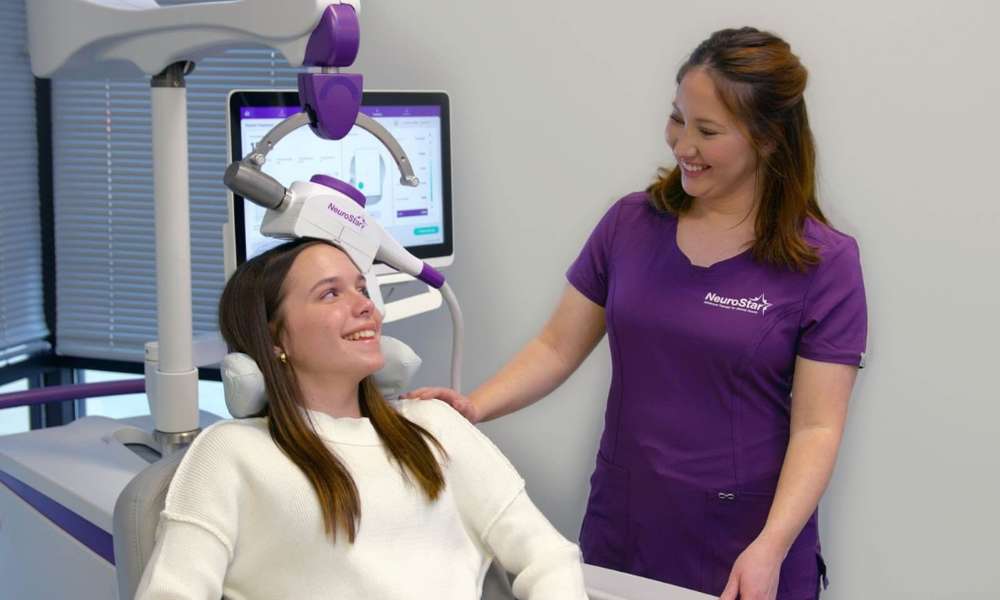
Choosing the right treatment approach depends on several factors, including symptom severity, treatment history, personal preferences, and professional recommendations.
Some individuals respond well to antidepressant medications, while others benefit most from psychotherapy or counseling. For people who have not achieved the results they hoped for through traditional approaches, TMS Therapy may be another option worth discussing with a healthcare provider.
Understanding the differences between medication, counseling, and TMS can help patients make more informed decisions about their treatment. The best approach is often the one that aligns with an individual’s unique circumstances, goals, and long-term recovery plan.
Benefits of TMS Therapy Compared to Medication and Traditional Therapy
Understanding the differences between treatment options can help individuals make more informed decisions about their mental health care. Some potential benefits of TMS Therapy include:
- Non-invasive treatment that does not require surgery, anesthesia, or hospitalization.
- Does not require taking daily medication as part of the treatment process.
- Directly targets specific areas of the brain associated with mood regulation.
- Sessions are performed while patients remain awake and alert.
- It can be combined with counseling, lifestyle changes, and other treatment approaches.
- Provides an alternative option for individuals exploring treatments beyond medication.
- Follows a structured treatment plan that allows patients to understand what to expect.
- Supports a personalized approach to mental health treatment when incorporated into a broader care plan.
These benefits make TMS Therapy a treatment option that many individuals discuss with their healthcare providers when exploring available mental health solutions.
Frequently Asked Questions (FAQ)
What is TMS Therapy?
TMS Therapy, or Transcranial Magnetic Stimulation, is a non-invasive treatment that uses magnetic pulses to stimulate targeted areas of the brain associated with mood regulation.
How is TMS Therapy different from antidepressant medication?
Unlike medication, TMS Therapy uses magnetic stimulation rather than drugs and does not require daily medication use.
Is TMS Therapy the same as traditional counseling?
No. Traditional counseling focuses on thoughts, emotions, behaviors, and coping strategies, while TMS Therapy focuses on stimulating specific brain regions.
Does TMS Therapy involve surgery?
No. TMS Therapy is a non-invasive procedure that does not involve surgery, injections, or implanted devices.
Are patients awake during TMS sessions?
Yes. Patients remain awake and alert throughout the treatment session and can typically return to normal activities afterward.
Can TMS Therapy be combined with other treatments?
Yes. Many individuals receive counseling, medication management, or lifestyle support while undergoing TMS Therapy.
Who may be a candidate for TMS Therapy?
Healthcare providers may discuss TMS Therapy with individuals experiencing depression symptoms or those exploring alternative treatment options.
How long does a typical TMS treatment plan last?
Treatment schedules vary, but many plans involve multiple sessions over several weeks based on professional recommendations.
Does TMS Therapy require recovery time after sessions?
Most individuals can return to their regular daily activities immediately after treatment sessions.
Why is TMS Therapy becoming more popular?
Growing awareness of non-invasive treatment options and increased interest in alternatives to traditional approaches have contributed to the popularity of TMS Therapy.
Conclusion
Choosing the right mental health treatment can be challenging, especially when several options are available. Medication, traditional therapy, and TMS Therapy each offer unique approaches to addressing depression and related mental health concerns.
While medication focuses on brain chemistry and traditional counseling emphasizes emotional insight and coping skills, TMS Therapy uses targeted magnetic stimulation to support brain activity associated with mood regulation.
Understanding these differences can help individuals make more informed decisions about their treatment options. Because every person’s experience with depression is unique, the most effective approach often depends on individual needs, treatment history, and professional recommendations.
By learning how TMS Therapy differs from medication and traditional therapy methods, individuals can have more productive conversations with healthcare providers and explore treatment plans that best support their long-term mental health goals.