
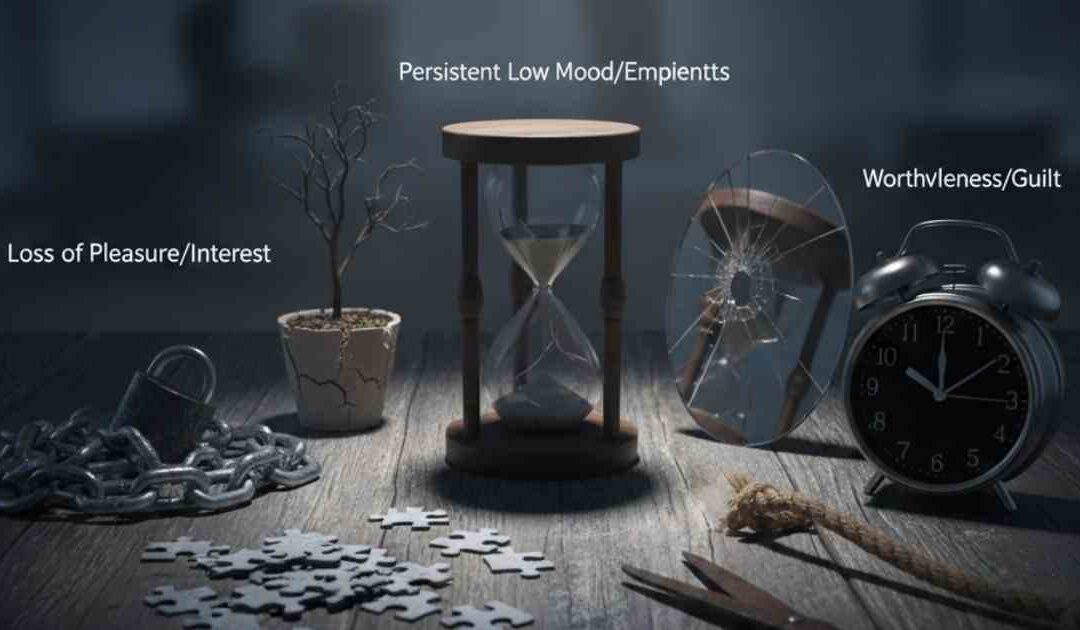
When Depression Requires Professional Care is a critical topic for anyone struggling with persistent sadness, anxiety, or emotional pain. Learn the warning signs, treatment options, and when to seek expert help.
Depression is more than just feeling sad. It’s a serious mental health condition that affects how a person thinks, feels, and acts.
When Depression Requires Professional Care, it means symptoms have become intense, long-lasting, or dangerous enough to need expert treatment.
Depression can affect anyone—young or old, rich or poor. It does not discriminate.
According to the World Health Organization, millions of people worldwide struggle with depressive disorders each year. Left untreated, depression can disrupt work, school, family life, and physical health.
Common Symptoms of Depression
Depression shows up in many ways, including:
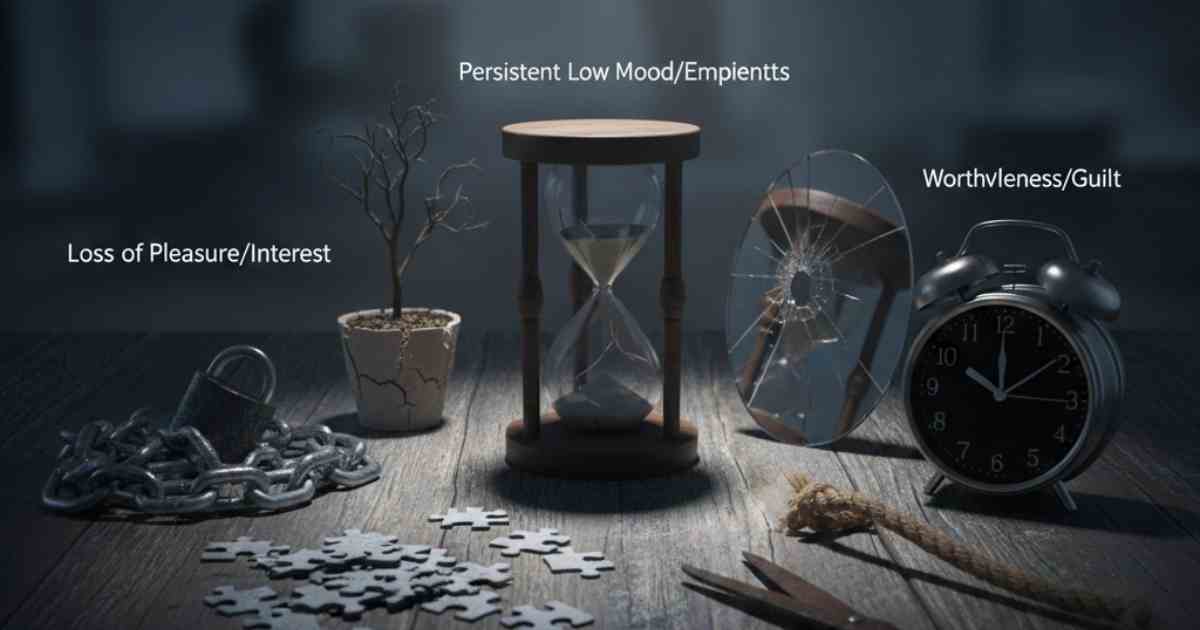
- Persistent sadness or emptiness
- Loss of interest in activities once enjoyed
- Fatigue or low energy
- Changes in appetite or weight
- Sleep disturbances (too much or too little)
- Difficulty concentrating
- Feelings of guilt or worthlessness
Some people experience physical pain like headaches or stomach problems without a clear medical cause. Others may withdraw socially or become irritable.
Types of Depressive Disorders
Not all depression looks the same. Some common types include:
- Major Depressive Disorder (MDD) – Intense symptoms lasting at least two weeks.
- Persistent Depressive Disorder (Dysthymia) – Long-term depression lasting two years or more.
- Postpartum depression
- Seasonal affective disorder
Each type varies in severity and duration, but all may require professional care depending on symptoms.
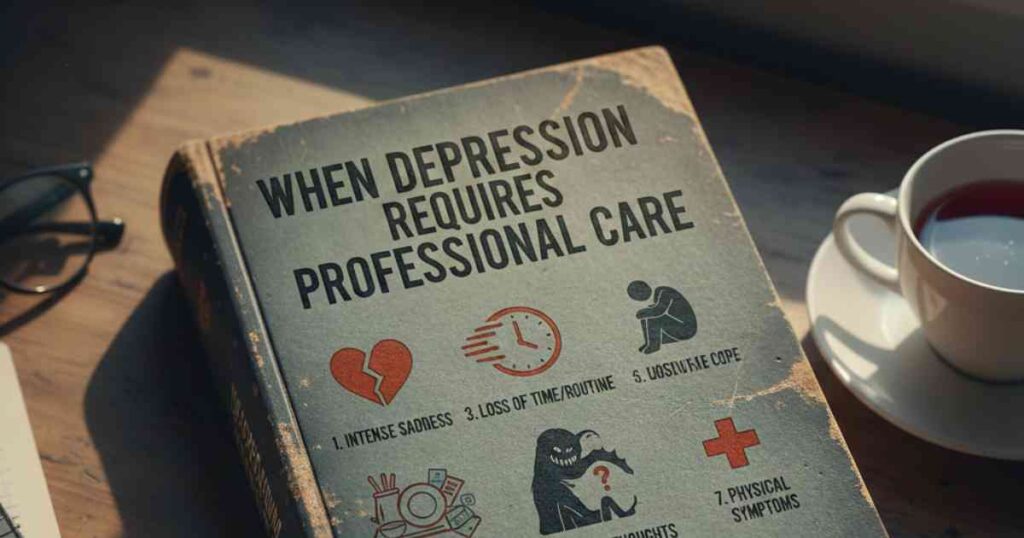
When Depression Requires Professional Care: Key Warning Signs
So, when does sadness cross the line into something more serious?
When Depression Requires Professional Care, certain warning signs are usually present.
Persistent Symptoms Beyond Two Weeks
If symptoms last longer than two weeks and do not improve, it’s time to consult a professional. Temporary sadness often fades, but clinical depression lingers and may worsen without help.
Thoughts of Self-Harm or Suicide
This is an emergency. If someone expresses thoughts of self-harm, hopelessness about the future, or suicidal ideas, immediate professional help is critical. In the United States, calling or texting 988 connects individuals to the Suicide & Crisis Lifeline.
You can also find global crisis resources through organizations like the International Association for Suicide Prevention.
Inability to Function Normally
If depression interferes with daily responsibilities—such as maintaining hygiene, attending work or school, or caring for family—it signals the need for professional intervention.
Risk Factors That Increase Severit
Some individuals are more vulnerable to severe depression.
Family History of Mental Illness
Genetics can play a role. If close relatives have struggled with depression or other mood disorders, the risk increases.
Co-occurring Disorders
Depression often appears alongside anxiety disorders, substance abuse, or chronic illnesses. When combined, these conditions can intensify symptoms and complicate recovery.
Professional Diagnosis Process
Seeking help may feel intimidating, but understanding the process can ease anxiety.
Psychological Assessments
Mental health professionals use interviews and screening tools to evaluate symptoms. They assess mood patterns, duration, intensity, and impact on life.
Medical Examination
Sometimes, physical health conditions like thyroid problems or vitamin deficiencies mimic depression. A doctor may order blood tests to rule out medical causes.
Accurate diagnosis ensures the right treatment plan.
Treatment Options Available
The good news? Depression is highly treatable.
Psychotherapy Approaches
Talk therapy remains one of the most effective treatments. Common approaches include:
- Cognitive Behavioral Therapy (CBT)
- Interpersonal Therapy
- Psychodynamic Therapy
Therapy helps individuals recognize negative thought patterns and build healthier coping strategies.
Medication Management
Antidepressants may be prescribed for moderate to severe depression. These medications help balance brain chemicals that affect mood. It may take several weeks to notice improvement, so patience is key.
Advanced Treatments
In severe cases, hospitalization or advanced procedures like Electroconvulsive Therapy (ECT) may be recommended. These treatments are carefully monitored and often life-saving for individuals with treatment-resistant depression.

When to Seek Immediate Emergency Help
Seek urgent care if someone:
- Has a suicide plan
- Expresses a desire to die
- Engages in self-harm
- Shows sudden extreme mood changes
Emergency services exist to protect and support—not judge.
Breaking the Stigma Around Mental Health Care
Unfortunately, stigma still prevents many people from seeking help. Some believe depression is a weakness. It is not.
Depression is a medical condition, just like diabetes or heart disease. Seeking professional care shows strength and responsibility.
Open conversations, education, and compassionate communities help reduce shame and encourage treatment.
Supporting a Loved One with Depression
If someone you care about is struggling:
- Listen without judgment
- Encourage professional help
- Offer practical support (rides, appointments)
- Stay patient
You don’t need to “fix” them. Just being present makes a powerful difference.
Preventive Measures and Early Intervention
While not all depression can be prevented, early intervention helps reduce severity.
Healthy habits include:
- Regular physical activity
- Balanced nutrition
- Quality sleep
- Strong social connections
- Stress management techniques
Early recognition often prevents escalation.
Frequently Asked Questions (FAQs) of When Depression Requires Professional Care: 7 Powerful Signs You Must Not Ignore
How do I know if my depression is serious?
If symptoms persist longer than two weeks, worsen, or interfere with daily life, professional care is recommended.
Can depression go away without treatment?
Mild cases may improve, but untreated depression often returns or worsens over time.
Is medication always necessary?
Not always. Some individuals respond well to therapy alone. A professional can determine the best plan.
How long does treatment take?
It varies. Some improve within weeks; others may require months of therapy or medication adjustments.
Can teenagers require professional care for depression?
Absolutely. Depression affects all ages, and early treatment improves outcomes.
What if I feel embarrassed to seek help?
Remember, mental health professionals are trained to provide confidential, compassionate care. There’s nothing to be ashamed of.
Conclusion: Taking the First Step Toward Healing
When Depression Requires Professional Care, recognizing the signs can save lives. Persistent sadness, suicidal thoughts, or inability to function normally are not issues to ignore.
Depression is treatable. With therapy, medication, or supportive care, recovery is possible. Seeking help isn’t a sign of weakness—it’s a courageous step toward healing.
If you or someone you know is struggling, reach out today. The path to feeling better starts with one simple action: asking for help.