
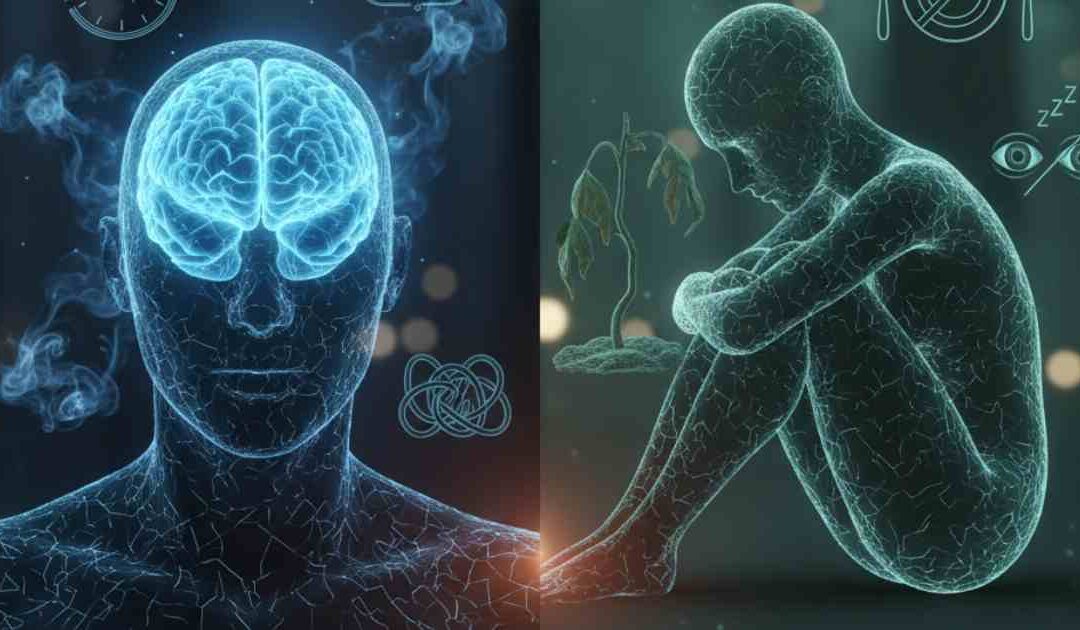
Sometimes, figuring out what’s going on with our feelings can be tricky.
When we talk about mental health, especially depression, it’s not always easy to spot the signs. Many people find it hard to recognize the Common Symptoms of Depression because they can show up in different ways for everyone.
This post is here to make things clear and simple. We’ll walk through the signs step by step, so you can learn what to look for. Get ready to explore what matters most about recognizing these feelings.
Key Takeaways
- You will learn about the most frequent signs of depression.
- We will explain how these symptoms can affect daily life.
- You will discover the emotional and physical feelings associated with depression.
- The post will cover how changes in behavior are also indicators.
- We will explore the mental shifts that can occur.
- You will gain a clearer picture of what to watch for.
What Are Common Symptoms of Depression
Depression is a common mood disorder that affects how you feel, think, and behave. It’s more than just feeling sad for a few days; it’s a persistent feeling of sadness and loss of interest that can interfere with your daily life.
Recognizing the Common Symptoms of Depression is a vital first step in seeking help or supporting someone who may be struggling.
These symptoms can vary in intensity and duration, and not everyone experiences them in the same way. Understanding these signs can help reduce the stigma associated with mental health conditions and encourage open conversations.
Emotional Symptoms of Depression
Emotional changes are often the most recognized signs of depression.
These feelings can be deep and overwhelming, impacting a person’s outlook on life. It’s important to remember that experiencing these emotions does not mean someone is weak; it’s a sign that they need support and understanding.
- Persistent Sadness or Low Mood
This is perhaps the most well-known symptom. It’s a feeling of sadness, emptiness, or hopelessness that lasts for at least two weeks, and often much longer. This sadness is different from the normal ups and downs everyone experiences.
It can feel like a heavy weight that doesn’t lift, even when good things happen. People might describe it as feeling numb or feeling like they can’t feel anything at all. This constant low mood can make it hard to find joy in activities that were once enjoyable.
- Loss of Interest or Pleasure (Anhedonia)
Anhedonia is the medical term for this symptom. It means a person loses interest in things they used to love, like hobbies, social activities, or even sex. Things that once brought happiness now feel boring or pointless.
It’s like the world has lost its color. This loss of pleasure can make it difficult to engage in social situations or pursue personal interests, leading to further isolation.
Reconnecting with former passions can be a slow and challenging process.
- Irritability or Restlessness
While sadness is common, some people, especially men and teenagers, might experience depression as increased irritability, frustration, or anger. They might snap at people easily, feel on edge, or have a short temper. This can make relationships difficult and might be mistaken for personality issues rather than a symptom of depression.
This heightened sensitivity to minor annoyances can create a constant state of unease.
- Feelings of Worthlessness or Guilt
People with depression often have very negative thoughts about themselves.
They might feel like they are a failure, a burden to others, or that they are to blame for bad things that happen, even if they aren’t. This can lead to low self-esteem and a damaged sense of self-worth.
These feelings are not based on reality but are a product of the depressive state. It can feel like an inescapable internal criticism.
Physical Symptoms of Depression
Depression doesn’t just affect your mind; it can also manifest in significant physical ways.
These physical changes can be just as debilitating as the emotional ones and are sometimes overlooked as symptoms of depression. They highlight how deeply this condition can impact the entire body.
- Changes in Sleep Patterns
Sleep disturbances are very common. This can mean sleeping too much (hypersomnia) or having trouble sleeping (insomnia). Some people might wake up very early and not be able to fall back asleep, while others might sleep for many hours but still feel tired.
Poor sleep quality can worsen other symptoms, creating a difficult cycle. The body may crave rest, but the mind may be too agitated to allow for peaceful sleep.
- Fatigue and Lack of Energy
Feeling extremely tired, even after sleeping, is a hallmark symptom. Simple tasks can seem incredibly difficult and require a huge effort. This isn’t just being sleepy; it’s a profound lack of physical and mental energy.
This exhaustion can make it hard to get out of bed, go to work, or even take care of basic personal needs. The body feels heavy and drained, no matter how much rest it gets.
- Appetite and Weight Changes
Depression can affect appetite in two main ways. Some people lose their appetite and experience unintended weight loss. Others might find themselves craving certain foods, especially carbohydrates, leading to weight gain.
These changes in eating habits can have a significant impact on overall health and well-being. The relationship with food can become complicated, serving as a coping mechanism or a source of distress.
- Aches and Pains
Depression can also cause unexplained physical symptoms like headaches, stomach problems, or muscle aches and pains. These physical complaints might be the only noticeable symptoms for some people, and they can be difficult to diagnose.
Doctors might run tests to rule out other medical conditions, but sometimes these pains are directly linked to the mental health state.
The body’s distress signals can be very real and physical.
Behavioral and Cognitive Symptoms of Depression
Beyond emotions and physical feelings, depression can also change how people act and think. These behavioral and cognitive shifts are crucial indicators that can affect a person’s daily functioning and interactions with the world around them.
- Difficulty Concentrating and Making Decisions
It can become very hard to focus on tasks, remember things, or make even simple decisions. This brain fog can impact work, school, and everyday chores. The ability to process information and make choices feels sluggish and impaired.
This cognitive slowdown can lead to feelings of frustration and inadequacy, further contributing to low self-esteem. Simple tasks that once required little thought can become major obstacles.
- Slowed Thinking or Talking
Some individuals with depression might speak or move more slowly than usual. Their thoughts may also seem to be moving at a slower pace, making it hard to keep up with conversations or tasks. This psychomotor retardation is a noticeable change in physical and mental activity.
It can make social interactions challenging, as the person may struggle to keep pace with the conversation or respond quickly.
- Increased Agitation or Restlessness
Conversely, some people might experience psychomotor agitation. This can manifest as pacing, fidgeting, wringing hands, or an inability to sit still. This restless energy is often accompanied by feelings of anxiety and distress.
It’s a physical manifestation of the internal turmoil, making it hard to find comfort or calm. This feeling of being “wired” yet exhausted is a common paradox.
- Thoughts of Death or Suicide
This is a very serious symptom. If someone is having thoughts of death, wishing they were dead, or thinking about harming themselves, they need immediate help. These thoughts can arise from intense feelings of hopelessness and despair.
It is crucial to reach out for professional support right away if these thoughts occur. Support is available, and these feelings can be managed with the right care.

Prevalence and Impact of Depression
Depression is incredibly common, affecting millions of people worldwide. Its impact extends beyond the individual, touching families, communities, and workplaces. Understanding its widespread nature helps to normalize the experience and encourage help-seeking behavior.
The economic and social costs are significant, underscoring the importance of early detection and effective treatment.
Statistics on Depression
According to the World Health Organization (WHO), depression is a leading cause of disability worldwide. It is estimated that more than 280 million people of all ages suffer from depression.
In the United States, the National Institute of Mental Health (NIMH) reports that nearly 1 in 5 adults live with a mental illness, and depression is one of the most common conditions.
These figures highlight that experiencing symptoms of depression is not an isolated event but a widespread health concern.
| Region | Estimated Prevalence (Adults) |
|---|---|
| Global | Approximately 3.8% of the global population |
| North America | Approximately 5.5% of the adult population |
| Europe | Approximately 6.7% of the adult population |
| Asia | Approximately 3.6% of the adult population |
These statistics show that depression is a significant global health challenge. The numbers can vary by region due to differing diagnostic criteria, access to healthcare, and cultural factors. However, the overarching trend indicates a substantial portion of the population experiences depression at some point in their lives.
This widespread nature makes it vital for society to address mental health with the same urgency as physical health.
Impact on Daily Life
The effects of depression on a person’s daily life can be profound. It can make it difficult to maintain relationships, perform well at work or school, and even carry out basic self-care tasks.
The ability to enjoy life’s pleasures diminishes, and individuals may withdraw from social interactions, leading to feelings of isolation and loneliness.
This can create a vicious cycle where reduced functioning leads to more negative feelings, which in turn further impairs functioning.
Consider the case of Sarah, a talented graphic designer who began experiencing a persistent low mood and fatigue. Her ability to concentrate at work diminished, leading to missed deadlines and increased stress.
Social events she once enjoyed became too draining to attend, causing her friends to worry and drift away.
Her sleep was disturbed, and she lost appetite, leading to noticeable weight loss. Sarah’s experience illustrates how depression can erode daily functioning, impacting professional success, personal relationships, and physical health.
Another example is Mark, a college student who started struggling with his studies due to overwhelming feelings of worthlessness and anhedonia.
He found it difficult to get out of bed for classes, his interest in his major faded, and he began isolating himself from his peers. The simple act of studying felt like climbing a mountain.
Mark’s situation highlights how depression can derail academic progress and impact a young person’s social development during a critical life stage.
Factors Contributing to Depression
Several factors can contribute to the development of depression. These often interact and can vary from person to person. Understanding these contributors can help in recognizing personal risk factors and seeking appropriate support.
- Genetics
A family history of depression can increase a person’s risk. While genetics don’t guarantee someone will develop depression, they can make individuals more predisposed. This means certain inherited biological factors might play a role in how a person’s brain chemistry is regulated.
Researchers are still exploring the specific genes involved and how they interact with environmental factors to influence mood.
- Brain Chemistry
Imbalances in certain brain chemicals, called neurotransmitters (like serotonin, norepinephrine, and dopamine), are thought to be linked to depression. These chemicals play a role in regulating mood, sleep, appetite, and behavior. When these chemicals are not balanced, it can affect how a person feels and functions.
Treatments for depression often aim to restore this chemical balance.
- Life Events
Significant life events, such as the loss of a loved one, major financial problems, relationship breakups, or job loss, can trigger depression. Traumatic experiences or chronic stress can also contribute to its development. These events can disrupt a person’s sense of stability and security, leading to feelings of despair and hopelessness.
The body’s stress response system can become dysregulated with prolonged exposure to adverse circumstances.
- Medical Conditions and Medications
Certain medical conditions, such as chronic illnesses, thyroid problems, or neurological disorders, can increase the risk of depression. Additionally, some medications used to treat other health issues may have depression as a side effect. It’s important for healthcare providers to consider these possibilities when diagnosing and treating a patient.
A thorough medical history is essential in identifying potential physical contributors to mood disorders.

When to Seek Help for Common Symptoms of Depression
Recognizing the common symptoms of depression is the first step, but knowing when to seek professional help is crucial for recovery and well-being. Ignoring persistent symptoms can lead to a worsening condition and prolonged suffering. Early intervention significantly improves outcomes.
Recognizing When Symptoms Warrant Professional Attention
If symptoms of depression have lasted for more than two weeks, significantly interfere with daily life, or if there are thoughts of self-harm, it’s time to seek professional help. Don’t wait for things to get worse. Your primary care doctor is a good starting point.
They can assess your symptoms, rule out any underlying medical conditions, and refer you to a mental health professional if needed. Remember, seeking help is a sign of strength, not weakness.
Types of Professionals Who Can Help
A variety of mental health professionals can provide support and treatment for depression. These include:
- Psychiatrists
These are medical doctors who specialize in mental health. They can diagnose mental health disorders, prescribe medication, and provide psychotherapy. Psychiatrists are particularly helpful if medication might be a necessary part of treatment, as they can manage prescriptions and monitor their effectiveness and side effects.
Their medical training allows them to understand the biological basis of mental illness.
- Psychologists
Psychologists hold doctoral degrees in psychology and are trained in diagnosing and treating mental health conditions through therapy and counseling.
They use various therapeutic approaches, such as cognitive behavioral therapy (CBT) or interpersonal therapy (IPT), to help individuals manage their symptoms and develop coping strategies. They do not prescribe medication.
- Therapists and Counselors
These professionals often have master’s degrees in counseling, social work, or marriage and family therapy. They provide talk therapy to help individuals explore their feelings, thoughts, and behaviors. They can offer support, guidance, and practical tools for managing depression.
Their focus is on providing a safe space for individuals to process their experiences and work towards recovery.
Treatment Options Available
There are several effective treatment options for depression, often used in combination for the best results. The choice of treatment depends on the severity of the depression, individual preferences, and response to therapy.
- Psychotherapy (Talk Therapy)
This involves talking with a mental health professional to explore the causes of depression, develop coping skills, and change negative thought patterns. Common types include Cognitive Behavioral Therapy (CBT), which focuses on identifying and changing negative thoughts and behaviors, and Interpersonal Therapy (IPT), which addresses relationship issues that may contribute to depression. Therapy provides tools and insights to manage the condition long-term.
- Medication
Antidepressant medications can help rebalance brain chemicals that affect mood. These are typically prescribed by a psychiatrist or a primary care physician. It’s important to note that it may take several weeks for medications to become fully effective, and finding the right medication and dosage can sometimes involve trial and error.
These medications are not addictive and are designed to alleviate symptoms.
- Lifestyle Changes
Incorporating healthy lifestyle habits can complement professional treatment. This includes regular exercise, a balanced diet, sufficient sleep, and stress management techniques like mindfulness or yoga. Engaging in activities that bring joy, even if it’s difficult at first, can also be beneficial.
Building a supportive social network is also a key component of recovery.
Coping Strategies for Managing Depression
Managing depression involves a combination of professional treatment and personal coping strategies. These strategies empower individuals to take an active role in their recovery and improve their quality of life. They are tools to help navigate challenging times and build resilience.
Building a Support System
Connecting with others is vital. This includes talking to trusted friends, family members, or joining a support group. Sharing experiences with people who understand can reduce feelings of isolation and provide emotional encouragement.
Don’t hesitate to lean on loved ones for emotional support and practical assistance. A strong support system acts as a buffer against difficult emotions.
Practicing Self-Care
Prioritizing self-care is essential. This means ensuring you get enough sleep, eating nutritious foods, and engaging in activities you enjoy, even if they don’t feel as pleasurable as they once did. Setting small, achievable goals for daily tasks can also boost a sense of accomplishment.
Self-care isn’t selfish; it’s a necessary component of maintaining mental and physical well-being.
Mindfulness and Relaxation Techniques
Techniques like deep breathing exercises, meditation, and yoga can help manage stress and reduce feelings of anxiety and sadness. These practices encourage you to be present in the moment and can help calm an overactive mind. Regular practice can lead to a greater sense of peace and emotional regulation.
Learning to calm the nervous system is a powerful self-soothing skill.
Establishing a Routine
A structured daily routine can provide a sense of stability and predictability. This includes regular times for waking up, eating meals, exercising, and engaging in activities.
Consistency can help combat the disorganization and inertia that often accompany depression.
Having a schedule can make days feel more manageable and less overwhelming.
Engaging in Physical Activity
Regular exercise has been shown to be an effective mood booster. Even moderate physical activity, such as a brisk walk, can release endorphins, which have mood-lifting effects. Finding an activity you enjoy can make it easier to stick with it.
It doesn’t have to be strenuous; consistency is more important than intensity.
Frequently Asked Questions of Understanding Common Symptoms of Depression
What is the main difference between sadness and depression?
Sadness is a normal human emotion that is usually temporary and triggered by a specific event. Depression is a persistent mood disorder characterized by a prolonged period of sadness, loss of interest, and other symptoms that interfere with daily life.
Can depression affect anyone, regardless of age or gender?
Yes, depression can affect people of all ages, genders, and backgrounds. While there can be differences in how symptoms manifest across demographics, it is a widespread condition that can impact anyone.
Is depression a lifelong condition?
Depression can be a chronic condition for some, but for many, it is episodic. With proper treatment and management, individuals can recover and experience long periods of remission, living fulfilling lives.
What are some early warning signs of depression?
Early warning signs can include persistent sadness, loss of interest in activities, changes in sleep or appetite, fatigue, and feelings of worthlessness. Noticing these subtle shifts is key to early intervention.
How can I help a friend who might be depressed?
You can offer support by listening without judgment, encouraging them to seek professional help, and staying in touch. Small gestures of kindness and understanding can make a big difference.
Final Thoughts
Recognizing the varied ways depression can show up is incredibly important for both personal well-being and supporting others.
The common symptoms we’ve explored, from persistent sadness and loss of interest to physical changes like fatigue and sleep disturbances, are signals that deserve attention.
Behavioral shifts, such as difficulty concentrating or increased agitation, also play a key role in identifying this condition.
It’s vital to remember that these symptoms don’t indicate weakness but rather a complex mental health challenge that can be addressed.
When these signs persist for more than two weeks and begin to impact daily life, seeking professional guidance from doctors, psychiatrists, or therapists becomes a critical step.
There are effective treatments available, including psychotherapy and medication, which can significantly improve an individual’s quality of life.
Furthermore, incorporating active coping strategies like building a strong support system, practicing self-care, using mindfulness techniques, establishing routines, and engaging in regular physical activity can empower individuals on their path to recovery.
Taking action, even small steps, can lead to meaningful change and a brighter outlook.