Depression can feel like a heavy cloud that refuses to lift. For many people, medications and therapy bring relief. But what happens when they don’t? That’s where TMS for Treatment-Resistant Depression steps in.
This advanced, non-invasive treatment has offered new hope to individuals who haven’t found success with traditional methods.
If you or someone you love has tried multiple antidepressants without meaningful improvement, you’re not alone. Studies suggest that about 30% of people with depression experience treatment resistance.
Thankfully, modern neuroscience has paved the way for new solutions—one of the most promising being Transcranial Magnetic Stimulation (TMS).
Let’s explore how it works, why it’s effective, and whether it might be the breakthrough you’ve been waiting for.
What Is TMS for Treatment-Resistant Depression?
TMS for Treatment-Resistant Depression is a non-invasive brain stimulation therapy approved by the FDA for people who have not responded to at least one antidepressant medication.
How TMS Works
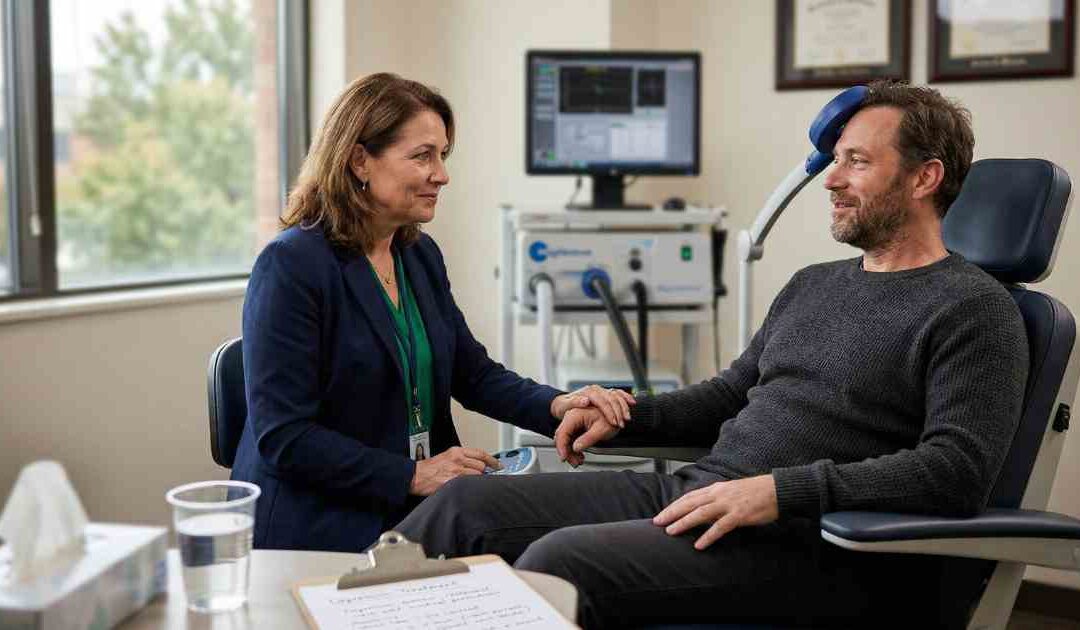
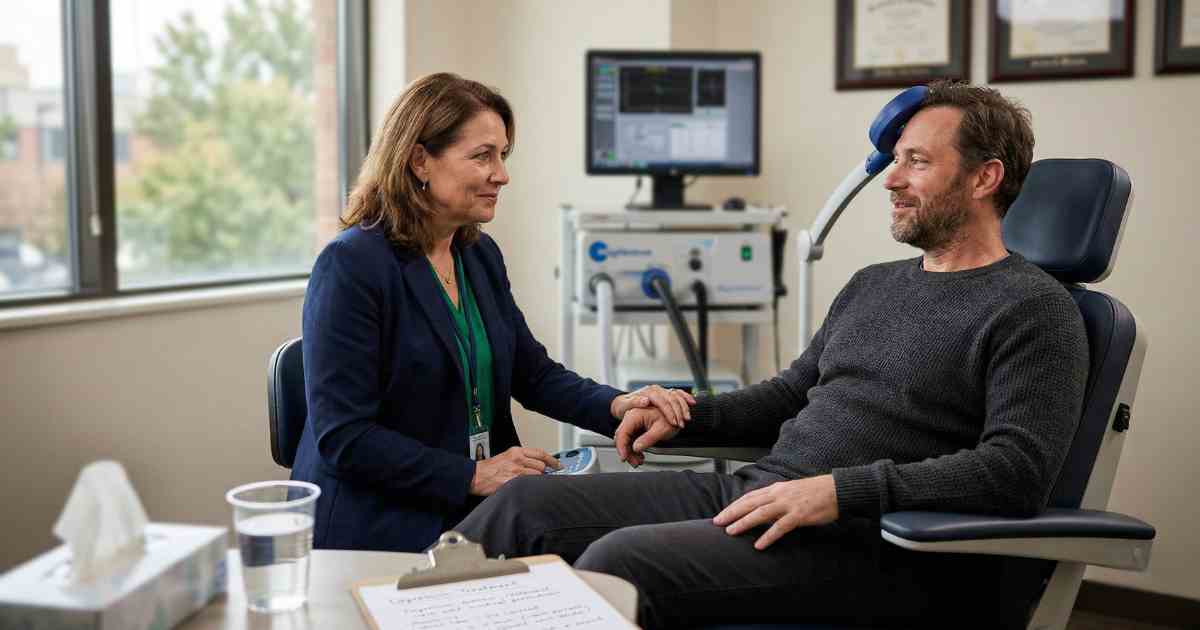
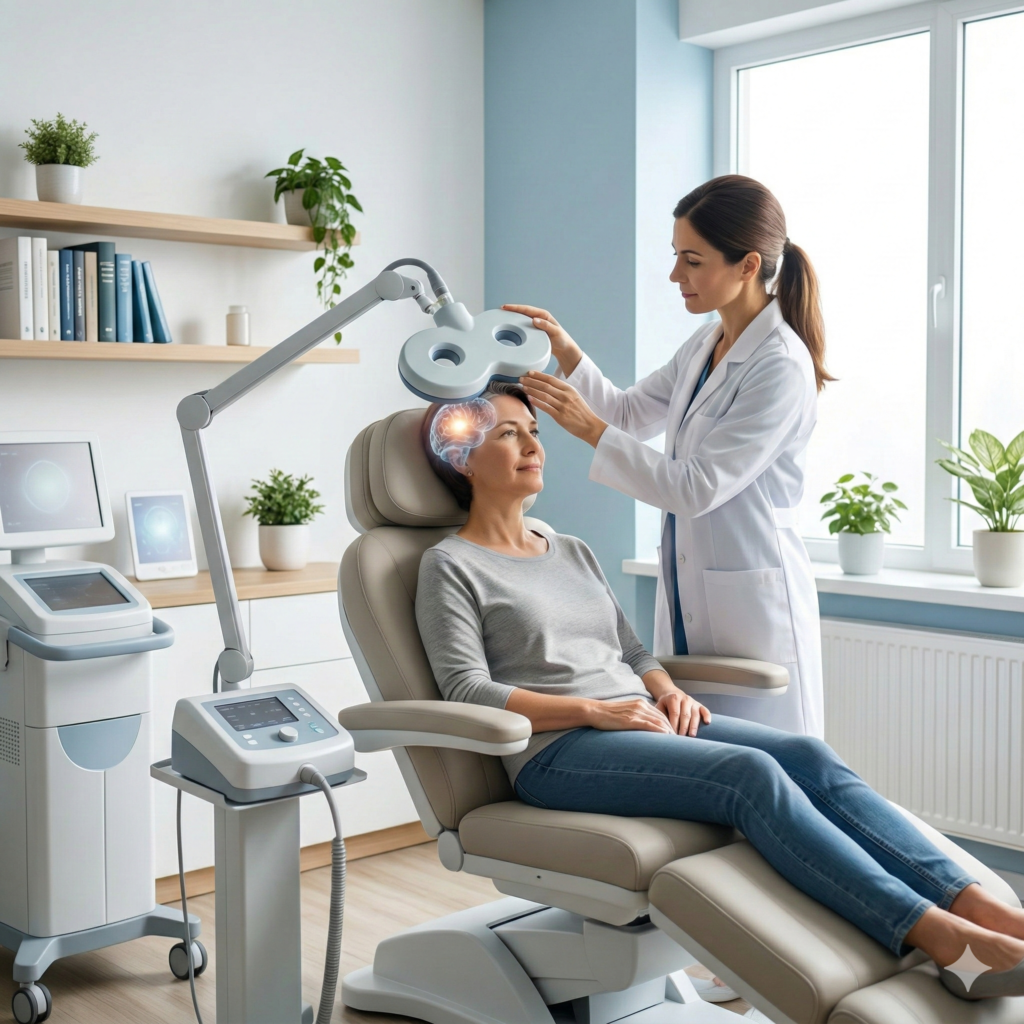
TMS uses magnetic pulses to stimulate specific areas of the brain involved in mood regulation—particularly the prefrontal cortex. These magnetic pulses are delivered through a coil placed gently on the scalp.
Here’s what happens during treatment:
- You sit comfortably in a chair.
- A magnetic coil is placed near your forehead.
- Short pulses are delivered to targeted brain regions.
- The session lasts about 20–40 minutes.
- You remain awake and alert the entire time.
Unlike electroconvulsive therapy (ECT), TMS does not require anesthesia, and there are no seizures induced.

Why It’s Different from Medication
Antidepressants affect the entire body. TMS directly targets the brain region responsible for mood control. This focused approach may explain why many patients who did not respond to medication see improvement with TMS.
Who Qualifies for TMS Therapy?
Not everyone with depression needs TMS. It is primarily recommended for individuals who:
- Have tried at least one or two antidepressants without success
- Experience intolerable side effects from medication
- Have persistent depressive symptoms despite therapy
- Are diagnosed with Major Depressive Disorder (MDD)
A psychiatrist typically conducts a detailed evaluation before recommending treatment.
Benefits of TMS for Treatment-Resistant Depression
TMS isn’t just another therapy—it’s a scientifically backed solution with meaningful advantages.
1. Non-Invasive and Drug-Free
No surgery. No systemic medication. Just magnetic pulses stimulating brain activity.
2. Minimal Side Effects
Common side effects include:
- Mild scalp discomfort
- Headache
- Tingling sensation
These usually fade after the first few sessions.
3. High Success Rates
Clinical trials show response rates between 50–60%, with remission rates around 30–40% for treatment-resistant patients.
4. No Memory Loss
Unlike ECT, TMS does not cause memory impairment.
5. Outpatient Procedure
You can drive yourself home and return to normal activities immediately.
6. Long-Lasting Results
Many patients experience relief for months—or even years—after completing treatment.
7. Insurance Coverage
Many insurance companies now cover TMS for treatment-resistant cases.
What to Expect During a TMS Treatment Course
A typical treatment schedule includes:
| Phase | Duration | Frequency |
|---|---|---|
| Initial Course | 4–6 weeks | 5 sessions per week |
| Maintenance (if needed) | Ongoing | Varies |
Each session is relatively quick. Many patients read, listen to music, or relax during treatment.
Improvements may begin within 2–3 weeks, though some individuals notice changes earlier.
Is TMS Safe? Understanding Risks and Side Effects
TMS is considered very safe when performed by trained professionals.
Common Side Effects
- Mild headache
- Temporary scalp sensitivity
- Facial muscle twitching
Rare Side Effects
- Seizures (extremely rare—less than 0.1%)
You can learn more about FDA approval and safety standards at the official website of the U.S. Food & Drug Administration.
Comparing TMS to Other Depression Treatments
TMS vs. Antidepressants
| Feature | TMS | Medication |
|---|---|---|
| Systemic Effects | No | Yes |
| Weight Gain | Rare | Common |
| Sexual Side Effects | Rare | Common |
| Requires Daily Intake | No | Yes |
TMS vs. ECT
| Feature | TMS | ECT |
|---|---|---|
| Anesthesia Required | No | Yes |
| Memory Loss Risk | No | Possible |
| Seizures Induced | No | Yes |
TMS offers a middle ground between medication and more invasive procedures.
How Effective Is TMS for Treatment-Resistant Depression?
Clinical evidence supports the use of TMS for Treatment-Resistant Depression in individuals who failed previous treatments.
Research findings show:
- Significant symptom reduction in more than half of patients
- Remission in up to one-third
- Improved quality of life and functioning
Effectiveness can vary based on:
- Severity of depression
- Number of failed medications
- Treatment adherence
- Brain stimulation protocol used
Cost and Insurance Cover
TMS therapy can cost between $6,000 and $12,000 for a full course without insurance.
However, most major insurers—including Medicare—cover it when:
- You’ve tried multiple medications
- Depression diagnosis is documented
- Treatment plan is medically necessary
Always check with your provider before beginning therapy.
Is TMS for Treatment-Resistant Depression Right for You?
If you’ve tried antidepressants and therapy without success, you might feel frustrated or hopeless. But there is hope. TMS for Treatment-Resistant Depression provides a targeted, scientifically proven option that has helped thousands regain control of their lives.
It’s safe, effective, and increasingly accessible. Most importantly, it offers a new path forward when other treatments have fallen short.
Talk to a qualified psychiatrist to determine whether TMS is the right next step in your mental health journey.
Frequently Asked Questions (FAQs) of TMS for Treatment-Resistant Depression: Powerful Benefits
Does TMS hurt?
Most people describe the sensation as tapping on the scalp. Mild discomfort usually fades quickly.
How soon will I feel better?
Many patients notice improvement after 2–3 weeks, though some respond sooner.
Can I continue medication during TMS?
Yes. Many patients remain on stable medication regimens during treatment.
Is TMS permanent?
Results can last months or years. Some patients choose maintenance sessions if symptoms return.
Who should not get TMS?
Individuals with metal implants in or near the head (excluding dental fillings) may not qualify.
Is TMS approved for other conditions?
Yes. TMS is also FDA-approved for OCD and smoking cessation in certain cases.
Final Thoughts
Depression can be stubborn, but treatment options are evolving rapidly. TMS represents one of the most exciting advancements in modern psychiatry.
If traditional therapies haven’t worked, this innovative approach could be the turning point you’ve been waiting for.
You deserve relief. And sometimes, the solution is closer than you think.