

Key Takeaways
- Regular exercise helps reduce anxiety by lowering stress hormones and improving emotional well-being.
- Healthy lifestyle habits support better sleep, balanced emotions, and improved mental health.
- Physical activity releases natural chemicals that help people feel calmer and more relaxed.
- Nutritious foods provide essential nutrients that support healthy brain function.
- Quality sleep allows the mind and body to recover from daily stress and emotional challenges.
- Mindfulness and relaxation techniques complement exercise for better anxiety management.
- Consistent healthy habits build emotional resilience and improve overall quality of life.
- Professional support should be considered if anxiety begins affecting daily responsibilities.
Introduction
Anxiety is one of the most common mental health conditions affecting millions of people around the world. While occasional stress and worry are a normal part of life, persistent anxiety can interfere with work, relationships, sleep, and everyday responsibilities. Many individuals experience racing thoughts, nervousness, muscle tension, difficulty concentrating, and constant worry that make even simple daily tasks feel overwhelming.
Although medication and counseling may be appropriate for some individuals, lifestyle changes also play a significant role in reducing anxiety symptoms naturally. Regular exercise, healthy nutrition, quality sleep, stress management, and consistent daily habits all work together to improve emotional well-being and strengthen mental resilience.
Understanding how exercise and a healthy lifestyle influence anxiety can help individuals make positive choices that improve both physical and emotional health. Small lifestyle improvements practiced consistently often create lasting changes that support a calmer mind, greater confidence, and a healthier, more balanced life.
1. Exercise Naturally Reduces Anxiety Symptoms
Regular physical activity is one of the most effective natural ways to reduce anxiety. Exercise helps decrease stress hormones such as cortisol while increasing the production of endorphins, which are often called the body’s natural feel-good chemicals. These positive changes improve mood, reduce emotional tension, and create a greater sense of relaxation after physical activity.
Exercise also provides a healthy distraction from constant worrying. Instead of focusing on stressful thoughts, individuals become more engaged in movement and physical activity. Whether it is walking, jogging, cycling, swimming, or dancing, regular exercise helps calm the nervous system and improve overall emotional balance. Over time, consistent physical activity can significantly reduce the frequency and intensity of anxiety symptoms.
2. Healthy Lifestyle Supports Better Brain Function

The brain requires proper nutrition, hydration, sleep, and physical activity to function efficiently. A healthy lifestyle supports these essential needs while improving concentration, memory, emotional regulation, and decision-making abilities.
People experiencing anxiety often notice that unhealthy eating habits, dehydration, and lack of physical activity make emotional symptoms worse. Eating a balanced diet rich in vegetables, fruits, whole grains, lean protein, and healthy fats provides nutrients that support healthy brain function.
Combined with regular exercise, these healthy habits help stabilize mood and improve emotional resilience throughout daily life. Simple lifestyle changes that reduce stress can also strengthen emotional resilience and improve overall mental wellness.
3. Physical Activity Helps Lower Stress Hormones
One of the biggest reasons exercise helps manage anxiety is its ability to reduce the body’s stress response. During stressful situations, cortisol and adrenaline levels increase, preparing the body to respond to perceived danger. While this response is helpful during emergencies, prolonged activation contributes to chronic stress and emotional exhaustion.
Regular exercise helps regulate these stress hormones while improving the body’s ability to recover from emotional challenges. Individuals who remain physically active often report feeling calmer, more focused, and better able to manage stressful situations. This natural reduction in stress hormones plays an important role in controlling anxiety before it becomes overwhelming.
4. Better Sleep Improves Emotional Well-Being
Sleep and anxiety have a very close relationship. Poor sleep often increases emotional sensitivity, making it more difficult to manage stress and negative thoughts. At the same time, ongoing anxiety can make falling asleep and staying asleep much more challenging.
Regular exercise encourages deeper and more restorative sleep by helping the body relax naturally. Establishing healthy bedtime routines, limiting screen time before bed, and maintaining consistent sleep schedules further improve sleep quality. Better sleep allows the brain to recover from daily stress while supporting emotional balance, concentration, and healthier decision-making throughout the day.
5. Exercise Builds Confidence and Self-Esteem

Many people living with anxiety struggle with low confidence and self-doubt. They may avoid social situations, hesitate to try new experiences, or constantly question their abilities. Regular exercise helps improve self-confidence by providing opportunities to achieve personal goals and recognize physical progress.
Each successful workout or healthy habit reinforces a sense of accomplishment. Over time, individuals begin trusting themselves more and develop greater confidence in handling everyday challenges. This improved self-esteem often reduces fearful thinking and encourages a healthier, more positive outlook on life.
6. Healthy Eating Habits Help Reduce Anxiety
A balanced diet plays an important role in supporting both physical and emotional health. Many people do not realize that nutrition directly affects brain function, mood, and energy levels. Poor eating habits, excessive sugar, processed foods, and too much caffeine may increase feelings of nervousness and make anxiety symptoms more noticeable.
Healthy meals that include fruits, vegetables, whole grains, lean protein, healthy fats, and plenty of water provide the nutrients the brain needs to function properly. Foods rich in omega-3 fatty acids, magnesium, and B vitamins may also support emotional well-being. While healthy eating alone cannot eliminate anxiety, combining proper nutrition with regular exercise often creates noticeable improvements in mood, emotional stability, and overall mental health.
7. Daily Routines Create Emotional Stability
Having a consistent daily routine provides structure and predictability, both of which help reduce anxiety. When people know what to expect each day, they often experience less uncertainty and feel more in control of their lives. Small habits such as waking up at the same time, eating regular meals, scheduling exercise, and setting aside time for relaxation create a healthier daily rhythm.
Daily routines also reduce decision fatigue and help individuals stay organized, making stressful situations easier to manage. Over time, these healthy habits become automatic and provide emotional stability even during challenging periods. Individuals who maintain consistent routines often feel calmer, more productive, and better prepared to cope with life’s unexpected changes.
8. Spending Time Outdoors Supports Mental Health
Exercise becomes even more beneficial when performed outdoors. Walking in parks, hiking, cycling, or simply spending time in nature provides both physical and emotional benefits that help reduce anxiety. Fresh air, natural sunlight, and green surroundings create a calming environment that supports relaxation and emotional recovery.
Nature also provides a healthy break from busy schedules, constant screen time, and everyday pressures. Many people notice that outdoor activities improve concentration, reduce mental fatigue, and increase feelings of happiness. Combining regular exercise with time spent outdoors creates a powerful natural strategy for managing anxiety while improving overall well-being.
9. Mindfulness and Relaxation Improve Anxiety Management
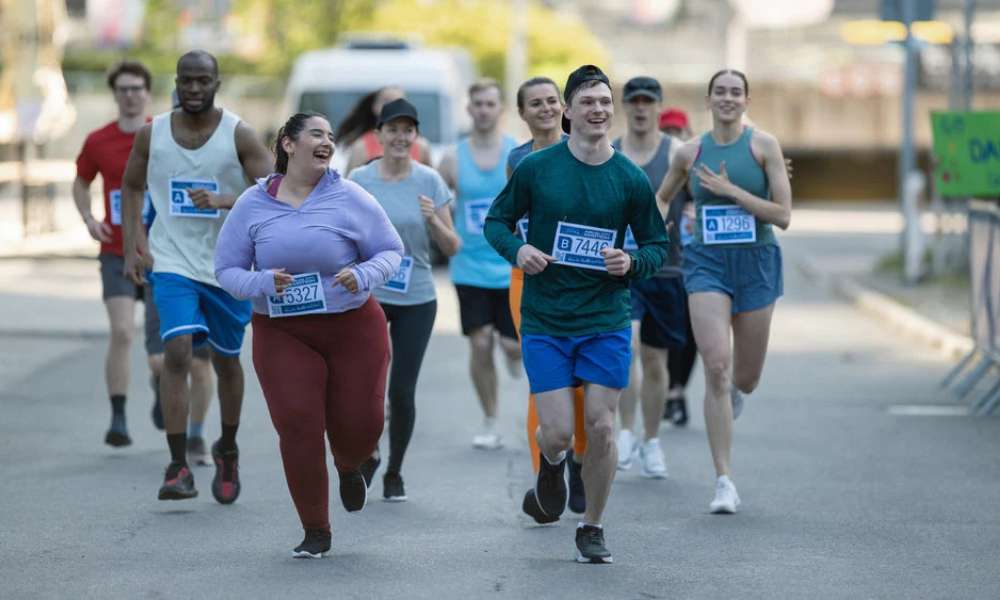
Exercise works even better when combined with mindfulness and relaxation techniques. Mindfulness encourages individuals to focus on the present moment instead of worrying about future problems or dwelling on past experiences. This shift in attention helps interrupt the cycle of excessive worrying that often accompanies anxiety.
Activities such as meditation, yoga, deep breathing exercises, progressive muscle relaxation, and guided relaxation encourage both the body and mind to slow down. Practicing these techniques regularly helps reduce physical tension while improving emotional regulation. Together with a healthy lifestyle, mindfulness creates long-term improvements in emotional balance and stress management.
10. Healthy Habits Increase Energy and Motivation
Persistent anxiety often leaves people feeling mentally exhausted and physically drained. Constant worry consumes emotional energy and reduces motivation to complete daily responsibilities. Regular physical activity and healthy lifestyle habits help restore energy by improving circulation, sleep quality, and overall physical fitness.
As energy levels increase, individuals often become more productive and confident in handling everyday responsibilities. Improved motivation encourages people to continue exercising, eating healthier, and maintaining positive habits. These ongoing improvements create a cycle of better emotional health and stronger resilience against future stress.
Healthy lifestyle habits may also help reduce Anxiety naturally, making it easier to manage daily stress and support overall emotional well-being.
11. Social Activities Combined with Exercise Strengthen Emotional Support
Many forms of exercise provide valuable opportunities to connect with others. Joining a fitness class, walking with friends, participating in community sports, or attending yoga sessions encourages positive social interaction while supporting physical health. Strong social relationships are known to reduce feelings of loneliness, which often contribute to anxiety.
Talking with supportive friends or family members during physical activities also helps reduce emotional pressure and encourages healthier perspectives on stressful situations. Positive social support combined with regular exercise creates a strong foundation for better emotional well-being and healthier relationships.
12. Long-Term Healthy Habits Build Emotional Resilience
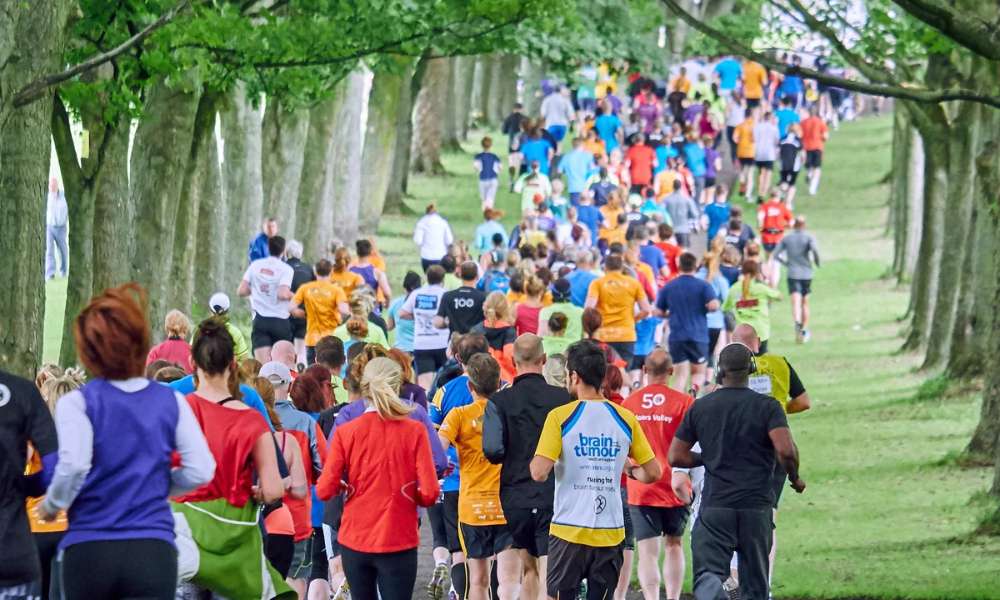
Managing anxiety is not about finding a quick solution. Long-term success usually comes from building consistent habits that support both physical and emotional health. Regular exercise, balanced nutrition, quality sleep, effective stress management, and healthy daily routines work together to strengthen emotional resilience over time.
Although progress may happen gradually, every healthy decision contributes to improved mental well-being. Individuals who consistently maintain these habits often experience fewer anxiety symptoms, greater confidence, better emotional control, and an improved quality of life. Building a healthy lifestyle today creates a stronger foundation for managing future challenges while supporting long-term mental and physical wellness.
Benefits of Exercise and a Healthy Lifestyle for Reducing Anxiety
- Regular exercise helps reduce anxiety by lowering stress hormones while increasing natural mood-boosting chemicals that promote relaxation and emotional balance.
- A healthy lifestyle improves sleep quality, allowing the mind and body to recover more effectively from daily stress and reducing the intensity of anxiety symptoms.
- Balanced nutrition supports healthy brain function, helping individuals maintain better concentration, emotional stability, and healthier responses to stressful situations.
- Consistent physical activity increases energy levels and motivation, making it easier to complete daily responsibilities without feeling emotionally overwhelmed.
- Healthy habits strengthen emotional resilience, allowing individuals to recover more quickly from setbacks and manage life’s challenges with greater confidence.
- Regular movement helps reduce muscle tension, restlessness, and other physical symptoms that commonly accompany persistent anxiety.
- Exercise and healthy lifestyle choices improve self-confidence by encouraging personal growth, healthier routines, and a stronger sense of accomplishment.
- Developing long-term healthy habits supports better mental health, improves overall quality of life, and helps individuals manage anxiety more effectively over time.
Frequently Asked Questions (FAQ)
Can exercise really help reduce anxiety?
Yes. Regular physical activity helps lower stress hormones, improve mood, increase relaxation, and reduce many common anxiety symptoms naturally.
What type of exercise is best for anxiety?
Walking, jogging, swimming, cycling, yoga, strength training, and stretching are all effective activities that may help reduce anxiety and improve emotional well-being.
How often should I exercise to manage anxiety?
Most health professionals recommend at least 150 minutes of moderate physical activity each week to support both physical and mental health.
Can healthy eating improve anxiety symptoms?
Yes. Eating a balanced diet that includes nutritious whole foods supports brain health, improves emotional regulation, and may help reduce anxiety over time.
Does poor sleep make anxiety worse?
Yes. Poor sleep often increases emotional sensitivity, reduces concentration, and makes it more difficult to cope with stressful situations and anxiety symptoms.
Can mindfulness and exercise be combined?
Yes. Combining mindfulness practices such as meditation or deep breathing with regular exercise often provides even greater emotional and mental health benefits.
When should someone seek professional help for anxiety?
Professional support should be considered if anxiety begins affecting work performance, relationships, sleep quality, or everyday responsibilities despite healthy lifestyle changes.
Can a healthy lifestyle completely cure anxiety?
Healthy lifestyle habits can significantly reduce anxiety symptoms and improve emotional well-being, but some individuals may also benefit from professional counseling or medical treatment, depending on the severity of their condition.
Conclusion
Living with anxiety can make everyday responsibilities feel more difficult, but healthy lifestyle choices provide practical and natural ways to improve emotional well-being. Regular exercise, balanced nutrition, quality sleep, mindfulness practices, supportive relationships, and consistent daily routines all work together to reduce stress and strengthen emotional resilience.
Understanding How Exercise and a healthy lifestyle help in Reducing Anxiety Symptoms allows individuals to take positive steps toward better mental health. While meaningful change takes time and consistency, every healthy habit contributes to greater emotional balance, improved confidence, and a higher quality of life. When combined with professional support if needed, these lifestyle improvements can help individuals manage anxiety more effectively and build a healthier, happier future.