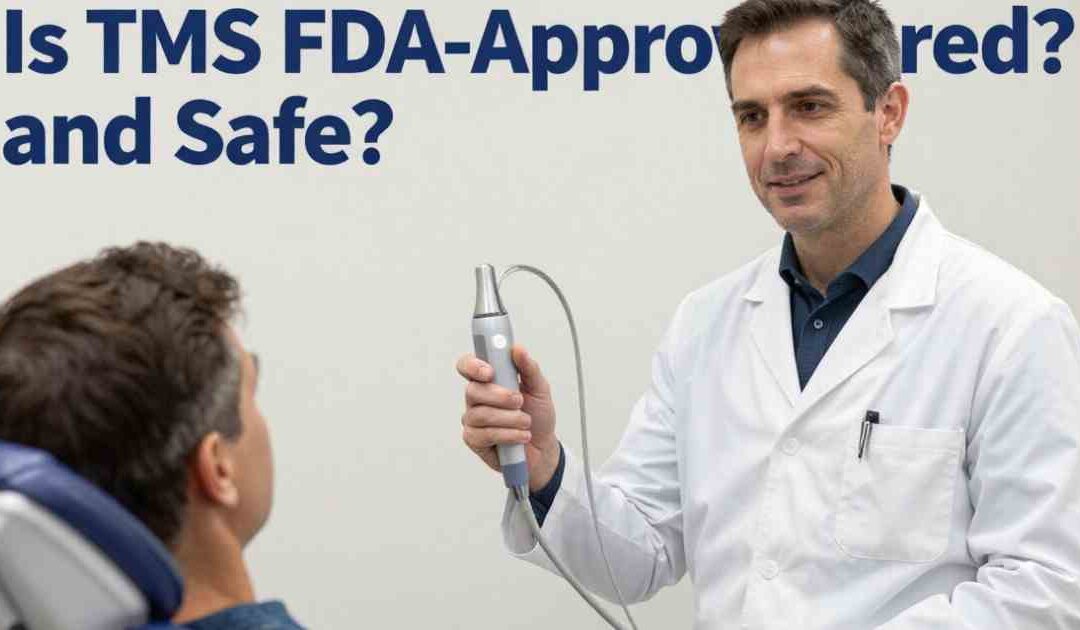
Meta Description: Is TMS FDA-Approved and Safe? Learn what the FDA has actually cleared, how safety is monitored, real risks vs. myths, side effects, who should avoid TMS, and smart questions to ask your provider.
Let’s get straight to it: TMS (transcranial magnetic stimulation) is widely used in clinical settings, and multiple TMS devices and protocols have received FDA clearance for specific medical uses.
That said, people often mix up the words “FDA-approved” and “FDA-cleared.” Devices like TMS systems commonly go through FDA pathways such as 510(k) clearance or De Novo authorization, depending on the device and indication.
So, when someone asks “Is TMS FDA-Approved and Safe?” the most accurate answer is:
- FDA status: Many TMS devices are FDA-cleared/authorized for certain conditions (and the exact condition matters).
- Safety: For most suitable patients, TMS has a favorable safety profile when done by trained clinicians following screening and safety steps.
Now let’s unpack the details in a way that’s easy to trust and easy to follow.
What TMS Is (And What It Isn’t)
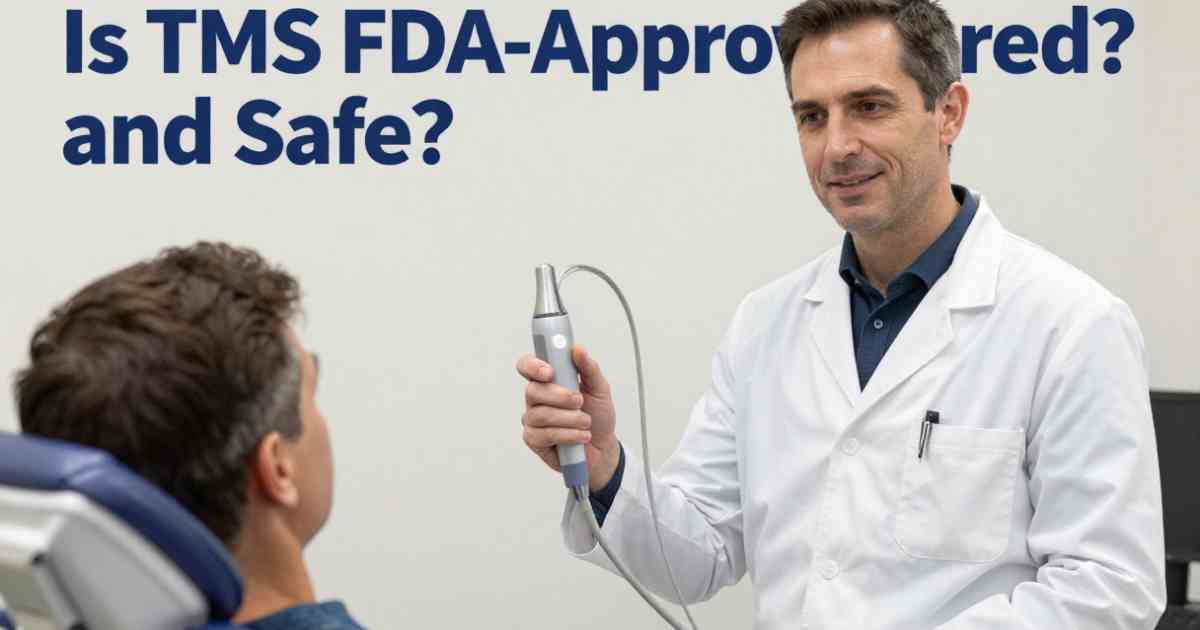
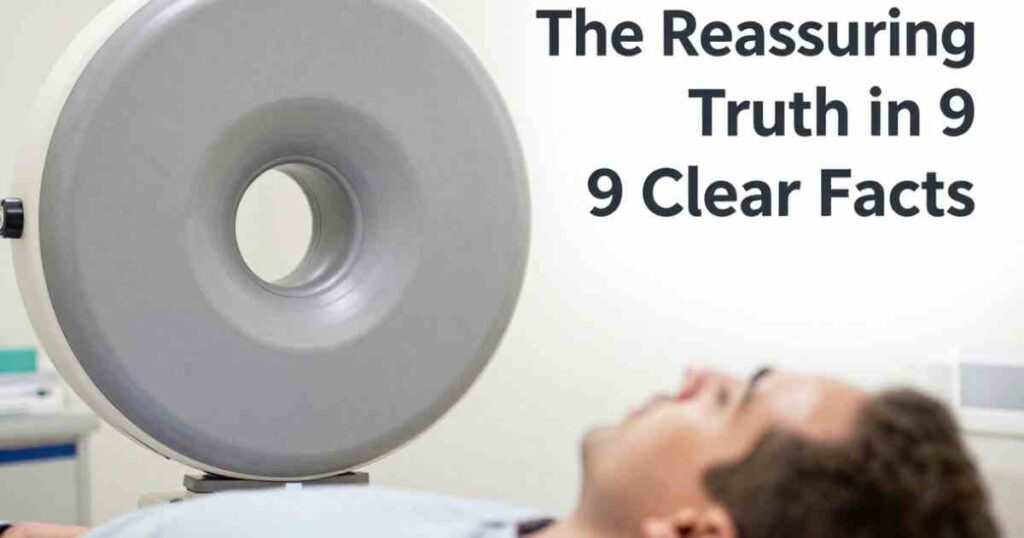
TMS is a non-invasive treatment that uses a magnetic field to stimulate nerve cells in targeted parts of the brain. You stay awake, you don’t need surgery, and there’s no “shock therapy” involved.
TMS is often discussed for mental health and neurological conditions because certain brain networks can get “stuck” in unhelpful patterns. TMS aims to nudge those networks toward healthier activity over time.
rTMS vs Deep TMS vs sTMS
- rTMS (repetitive TMS): Repeated pulses over a targeted area—common in clinics.
- Deep TMS: Uses a different coil design intended to reach deeper/broader regions. (This is often discussed in certain FDA-cleared indications.)
- sTMS (single-pulse TMS): Some devices used for migraine deliver single pulses for acute treatment.
How TMS Works in Simple Terms
A coil placed near the scalp creates magnetic pulses. Those pulses can induce small electrical changes in brain tissue. Over a course of sessions, this can influence how brain circuits “talk” to each other.
FDA Status: “Approved” vs “Cleared” Explained
This is where confusion happens.
- FDA-approved is a term most people know from medications and some high-risk devices.
- FDA-cleared often applies to medical devices that go through the 510(k) process (showing they are substantially equivalent to a legally marketed device).
- De Novo is another pathway used when a device is novel but considered low-to-moderate risk, and it sets a new device “type” that future devices can reference.
510(k) Clearance
A 510(k) clearance is basically the FDA saying: “This device is similar enough to an existing legal device for this intended use, and it meets safety and performance requirements.” Migraine-related TMS products have been cleared under this type of framework.
De Novo Authorization
For OCD, the FDA publicly announced permitting marketing for a TMS device through the De Novo pathway (a notable milestone for that indication).
What Conditions Does the FDA Clear TMS For?
This is the “fine print” that matters most: FDA clearance is tied to a specific device, a specific intended use, and often a specific patient population.
Below are clear examples supported by FDA pages and supporting documents.
OCD (Adults): De Novo Decision
The FDA issued a press announcement about permitting marketing of a transcranial magnetic stimulation device for treatment of obsessive-compulsive disorder via the De Novo pathway.
Migraine (Certain Devices)
The FDA has a device classification for “transcranial magnetic stimulator for the treatment of migraine headache”, and the FDA’s 510(k) database includes migraine-related TMS device listings (example: a 510(k) entry for a migraine therapy device).
Smoking Cessation (Aid in Adults)
There are FDA 510(k) documents describing clearance of a Deep TMS system “as an aid in short-term smoking cessation for adults.”
Important note: “Cleared for X” does not automatically mean “cleared for everything people talk about on social media.” Always ask what indication the clinic is treating and which device/protocol they use.
Is TMS Safe? The Evidence and Real-World Track Record
When delivered appropriately, TMS is considered well-tolerated for many patients. Major medical resources describe TMS as noninvasive and explain risks and side effects in a practical way.
That said, “safe” doesn’t mean “zero risk.” It means the risks are known, screened for, and managed—and most side effects are mild and temporary.
Common Side Effects (Most People)
Many people report:
- Scalp discomfort at the coil site
- Headache (often mild and short-lived)
- Facial muscle twitching during pulses
- Fatigue after a session
Clinics often reduce discomfort by adjusting intensity, positioning, and using comfort measures.
Rare but Serious Risks
The main serious risk discussed with TMS is seizure, but it’s considered rare in properly screened patients and controlled settings. Clinics reduce risk by:
- screening for seizure history,
- reviewing medications and risk factors,
- starting at personalized stimulation thresholds,
- following published safety parameters.
Who Should NOT Get TMS (Or Needs Extra Caution)
Safety depends on matching the treatment to the right person.
Metal, Implants, and Devices
TMS involves strong magnetic fields. People may be excluded or require specialist clearance if they have:
- certain implanted medical devices,
- metal near the head (like fragments),
- some types of cochlear implants or implanted stimulators.
A reputable clinic will ask detailed screening questions before scheduling.
Seizure History and Medications
Extra caution is often needed if you have:
- a history of seizures or epilepsy,
- a serious brain injury,
- certain medications that can lower seizure threshold,
- heavy substance use or withdrawal risks.
This doesn’t always mean “no,” but it does mean “slow down and screen carefully.”
What a Safe TMS Clinic Does Every Time
A good clinic doesn’t just “turn on a machine.” It runs a consistent safety playbook.
Mapping, Motor Threshold, and Dose
Many clinical TMS workflows involve:
- identifying a target region,
- finding a personalized stimulation threshold,
- setting a dose that fits your body and comfort.
This is one reason it’s smart to avoid any place that feels rushed or vague.
Hearing Protection and Comfort
TMS can be loud (clicking sounds), so clinics commonly provide ear protection. They also check comfort and side effects every visit.
What It Feels Like: A Session Walkthrough
Here’s a simple “day in the chair” version:
- Check-in and quick safety questions (sleep, meds, headaches, changes).
- You sit in a comfortable chair; the coil is positioned near your head.
- You’ll hear clicking and feel tapping on the scalp.
- Sessions can be short or longer depending on the protocol used.
- You can usually drive yourself home afterward, unless your provider advises otherwise.
Most people describe it as odd at first, but manageable—like getting used to a new workout.
Cost, Insurance, and Practical Safety Questions
Even if something is safe, follow-through matters. Stress, cost, and scheduling can affect outcomes.
Helpful questions:
- “How many sessions are typical for my situation?”
- “What side effects should I expect in week 1 vs week 3?”
- “What happens if I miss a week?”
- “How do you handle headaches or discomfort?”
- “What’s the plan if I’m not improving?”
FAQs (People Also Ask) of Is TMS FDA-Approved and Safe? The Reassuring Truth in 9 Clear Facts
Is TMS actually FDA-approved or FDA-cleared?
Many TMS devices are FDA-cleared (often via 510(k)) or authorized (such as De Novo for certain indications). The correct term depends on the device and use.
What conditions are clearly supported by FDA actions?
Public FDA materials and databases support TMS device clearances/authorizations for indications including OCD (adults), migraine (certain devices), and short-term smoking cessation aid (adults).
Does TMS hurt?
It usually doesn’t “hurt,” but it can be uncomfortable at first (tapping sensation, scalp tenderness). Clinics can adjust placement and settings to improve comfort.
Can TMS change your personality?
TMS is designed to modulate specific brain circuits related to symptoms. It does not “rewrite who you are.” Many people simply report symptom relief—like feeling less weighed down.
What’s the biggest serious risk of TMS?
The most serious discussed risk is seizure, but it’s considered rare in properly screened patients and clinical settings.
Is TMS safe for teens or older adults?
Safety and clearance can vary by device and indication, and age-specific use depends on clinical judgment and local protocols. If age is a factor, ask the clinic what FDA-cleared indication they are using and what evidence guides their approach.
How do I know a clinic is reputable?
Look for:
clear screening and contraindication review,
transparent discussion of risks/benefits,
consistent monitoring of side effects,
provider credentials and experience,
willingness to answer hard questions without rushing you.
Conclusion: Making a Smart, Safe Decision
So, back to the original question—Is TMS FDA-Approved and Safe? The trustworthy, accurate takeaway is:
- Many TMS devices and uses are FDA-cleared/authorized, but you should always confirm the exact indication and device.
- TMS is generally considered safe for many people when delivered by trained clinicians who follow screening and safety procedures, with mostly mild side effects and rare serious risks.
If you’re considering TMS, your best move is simple: bring the right questions, choose a clinic that takes screening seriously, and make sure the treatment matches your medical history and goals.