
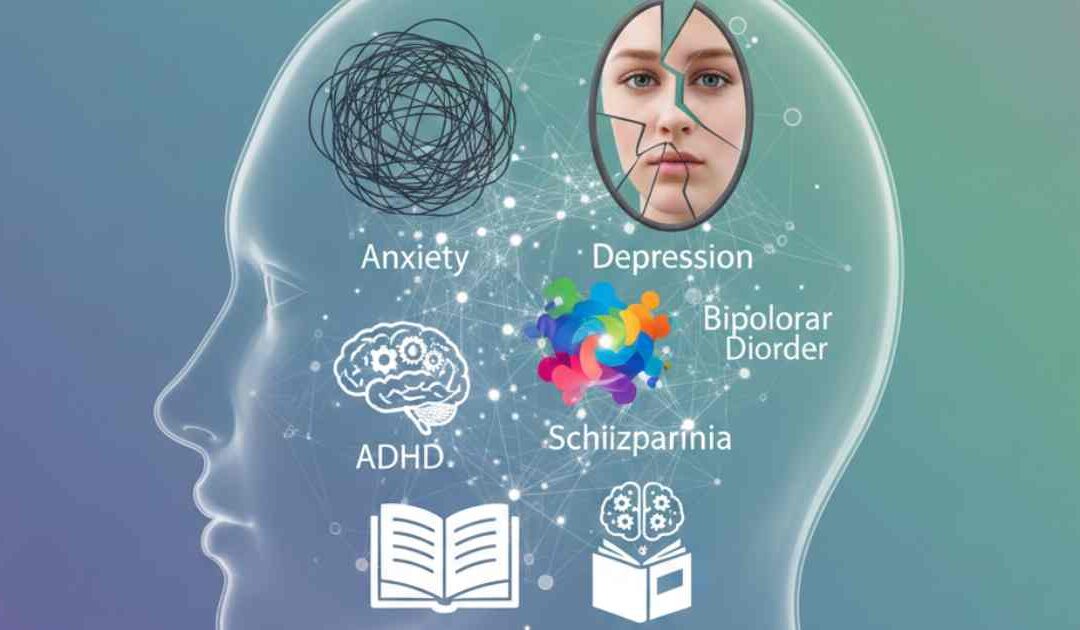
It can feel a little confusing at first when you’re trying to figure out what exactly a psychiatrist does. Many people wonder about the specific Conditions Treated by Psychiatrists because it’s a broad area. Don’t worry, though!
We’re going to break it all down in a way that’s easy to grasp. You’ll learn what these conditions are and how a psychiatrist can help. Get ready for a clear, step-by-step look at this important topic.
Key Takeaways
- Psychiatrists treat a wide range of mental health conditions.
- Common conditions include depression, anxiety disorders, and bipolar disorder.
- Schizophrenia and other psychotic disorders are also managed by psychiatrists.
- Eating disorders and substance use disorders fall under psychiatric care.
- Post-traumatic stress disorder (PTSD) is a significant area of treatment.
- Psychiatrists use therapy, medication, and other approaches.
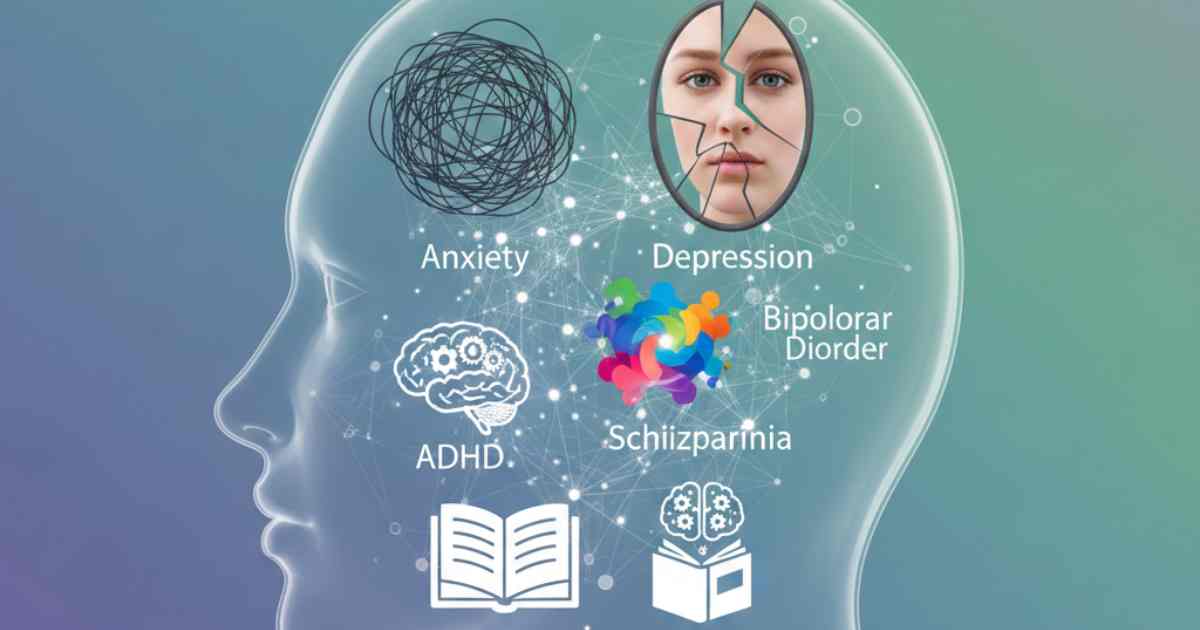
Understanding Conditions Treated by Psychiatrists
Psychiatrists are medical doctors who specialize in mental health. They are trained to diagnose, treat, and prevent mental, emotional, and behavioral disorders.
This can include a vast spectrum of conditions that affect how people think, feel, and act.
For those new to this field, the sheer variety of issues a psychiatrist addresses might seem overwhelming.
Our goal here is to make this information accessible and clear, showing the many ways these medical professionals help individuals improve their lives.

Mood Disorders
Mood disorders are a significant category of conditions that psychiatrists commonly treat. These are conditions where a person’s mood is persistently disturbed, affecting their emotional state and ability to function.
They can range from feeling excessively sad to experiencing extreme highs.
Recognizing the signs and seeking help is key to managing these challenges effectively.
Depression
Depression, clinically known as major depressive disorder, is more than just feeling sad for a few days. It’s a persistent feeling of sadness and loss of interest that can interfere with daily life.
Symptoms can include low energy, changes in sleep patterns, appetite changes, and feelings of worthlessness.
- Symptoms of Depression
- Low mood for at least two weeks
- Loss of interest or pleasure in activities
- Changes in appetite or weight
- Sleep disturbances (insomnia or hypersomnia)
- Fatigue or loss of energy
- Feelings of worthlessness or guilt
- Difficulty concentrating or making decisions
- Recurrent thoughts of death or suicide
A person experiencing depression might find it hard to get out of bed, go to work, or even enjoy things they once loved. This condition can affect anyone, regardless of age, gender, or background.
Psychiatrists often use a combination of psychotherapy and antidepressant medications to treat depression.
Antidepressants work by balancing certain brain chemicals that affect mood. Psychotherapy, like cognitive behavioral therapy (CBT), helps individuals develop coping strategies and change negative thought patterns.
Bipolar Disorder
Bipolar disorder, formerly known as manic depression, is characterized by extreme mood swings. These swings include emotional highs (mania or hypomania) and lows (depression).
During a manic episode, a person might feel unusually energetic, irritable, or euphoric, often with decreased need for sleep and racing thoughts.
During a depressive episode, they experience symptoms similar to major depression.
Managing bipolar disorder requires careful attention.
Psychiatrists work with patients to find the right balance of medication, often mood stabilizers and antipsychotics, to keep these mood swings in check.
Lifestyle management, including consistent sleep schedules and stress reduction techniques, is also vital.
Therapy plays a role in helping individuals understand their condition, recognize triggers, and develop strategies for managing episodes.

Anxiety Disorders
Anxiety disorders are a group of mental health conditions characterized by excessive worry, fear, or nervousness. While some anxiety is normal, anxiety disorders involve persistent and often overwhelming feelings that can interfere with daily life and activities.
Psychiatrists are skilled in diagnosing and treating the various forms of anxiety.
Generalized Anxiety Disorder (GAD)
GAD involves persistent and excessive worry about a variety of things, such as work, school, health, or finances, even when there is little or no reason to worry. People with GAD often find it difficult to control their worry.
- Common Symptoms of GAD
- Restlessness or feeling on edge
- Being easily fatigued
- Difficulty concentrating
- Irritability
- Muscle tension
- Sleep disturbances
Psychiatrists often prescribe anti-anxiety medications, such as selective serotonin reuptake inhibitors (SSRIs) or benzodiazepines, to help manage the symptoms of GAD.
Cognitive behavioral therapy (CBT) is also highly effective. CBT helps individuals identify and challenge negative thought patterns and develop coping mechanisms for managing worry.
The goal is to reduce the intensity and frequency of worry so it doesn’t dominate daily life.
Panic Disorder
Panic disorder is characterized by recurrent, unexpected panic attacks. A panic attack is a sudden surge of intense fear or discomfort that reaches a peak within minutes.
During a panic attack, people may experience a pounding heart, sweating, trembling, shortness of breath, chest pain, and a feeling of losing control or impending doom.
Treatment for panic disorder typically involves a combination of medication and therapy. Psychiatrists may prescribe antidepressants or anti-anxiety medications to reduce the frequency and severity of panic attacks. Psychotherapy, particularly CBT, is very effective.
It helps individuals understand what triggers their panic attacks and teaches them skills to manage them when they occur, reducing the fear of future attacks.
Social Anxiety Disorder
Social anxiety disorder, also known as social phobia, is an intense fear of social situations. People with this disorder worry about being judged, embarrassed, or humiliated in social settings.
This fear can be so intense that it interferes with work, school, and other daily activities.
Treatment strategies for social anxiety disorder often include SSRIs or other antidepressants, as well as therapy. Exposure therapy, a type of CBT, is particularly helpful.
It involves gradually exposing individuals to feared social situations in a safe and controlled environment, helping them build confidence and reduce anxiety over time.
Learning social skills and relaxation techniques can also be beneficial.
Psychotic Disorders
Psychotic disorders are severe mental illnesses that involve distorted thinking and perceptions. People experiencing these disorders may lose touch with reality, leading to hallucinations (seeing or hearing things that aren’t there) and delusions (false beliefs).
Psychiatrists play a critical role in managing these complex conditions.
Schizophrenia
Schizophrenia is a chronic, severe brain disorder that affects how a person thinks, feels, and behaves. People with schizophrenia may seem like they have lost touch with reality.
This can be distressing for both the individual and their loved ones.
Symptoms can include hallucinations, delusions, disorganized thinking, and reduced expression of emotions.
The primary treatment for schizophrenia involves antipsychotic medications. These medications help manage the positive symptoms like hallucinations and delusions.
Psychiatrists work closely with patients to find the most effective medication and dosage, as well as managing side effects.
Psychosocial interventions, such as therapy, education, and support groups, are also vital for helping individuals manage their condition, improve social functioning, and live fulfilling lives.
Early intervention is key to better long-term outcomes.
Schizoaffective Disorder
Schizoaffective disorder is a mental health condition that includes symptoms of schizophrenia and a mood disorder, such as depression or bipolar disorder.
People with this disorder experience episodes of psychosis along with significant mood disturbances. This can make diagnosis and treatment more challenging.
Treatment for schizoaffective disorder typically combines antipsychotic medications with mood-stabilizing or antidepressant medications. Psychiatrists carefully tailor treatment plans to address both the psychotic and mood symptoms.
Psychotherapy, family therapy, and social skills training are also important components of comprehensive care, helping individuals manage their symptoms and improve their quality of life.
Trauma-Related Disorders
Trauma-related disorders develop after a person has experienced or witnessed a terrifying event. These disorders can have a profound impact on an individual’s mental and emotional well-being.
Psychiatrists are essential in helping people process trauma and recover.
Post-Traumatic Stress Disorder (PTSD)
Post-traumatic stress disorder (PTSD) can occur after someone experiences or witnesses a highly distressing event, such as combat, a natural disaster, a serious accident, or a violent crime.
Symptoms of PTSD can include flashbacks, nightmares, severe anxiety, and uncontrollable thoughts about the event.
Treatment for PTSD often involves psychotherapy, such as trauma-focused CBT or EMDR (Eye Movement Desensitization and Reprocessing).
These therapies help individuals confront and process the traumatic memory. Psychiatrists may also prescribe medications, such as antidepressants or anti-anxiety drugs, to help manage symptoms like anxiety, depression, and sleep problems.
The goal of treatment is to reduce symptoms and help individuals regain control of their lives.
Eating Disorders
Eating disorders are serious conditions related to persistent eating behaviors that negatively impact health, emotions, and ability to function.
They are not simply about food or weight; they often stem from deeper emotional issues. Psychiatrists work as part of a multidisciplinary team to treat these complex disorders.
Anorexia Nervosa
Anorexia nervosa is characterized by an intense fear of gaining weight and a distorted body image, leading to severe restriction of food intake.
Individuals with anorexia often see themselves as overweight, even when they are dangerously thin. This can lead to serious health consequences.
Treatment for anorexia nervosa is usually comprehensive and involves a team of medical professionals, including psychiatrists, therapists, and dietitians.
Nutritional rehabilitation to restore a healthy weight is a priority. Psychiatrists may use medication to address co-occurring conditions like depression or anxiety.
Therapy, such as family-based treatment or CBT, helps individuals address the underlying psychological issues contributing to the eating disorder.
Bulimia Nervosa
Bulimia nervosa involves cycles of binge eating followed by compensatory behaviors, such as self-induced vomiting, use of laxatives, or excessive exercise, to prevent weight gain. Individuals with bulimia often feel a lack of control during binge episodes.
Psychiatrists treat bulimia nervosa using a combination of approaches. Antidepressant medications, particularly SSRIs, are often prescribed to help reduce binge-purge cycles and address co-occurring depression or anxiety.
Psychotherapy, especially CBT, is highly effective in helping individuals change their unhealthy eating behaviors and address distorted thoughts about body image and weight.
Psychoeducation about nutrition and healthy eating is also important.
Substance Use Disorders
Substance use disorders, also known as addiction, are chronic, relapsing brain diseases characterized by compulsive drug seeking and use, despite harmful consequences.
Psychiatrists are instrumental in helping individuals overcome addiction and achieve recovery.
Addiction Treatment
Treating substance use disorders often involves a combination of medication, therapy, and support groups. Psychiatrists can prescribe medications to manage withdrawal symptoms, reduce cravings, and treat co-occurring mental health conditions.
For example, medications like methadone or buprenorphine are used to treat opioid addiction.
Behavioral therapies, such as contingency management and motivational interviewing, are also key components of treatment.
These therapies help individuals change their attitudes and behaviors related to drug use and develop strategies for relapse prevention.
Support groups like Alcoholics Anonymous (AA) and Narcotics Anonymous (NA) provide a vital network of peer support.
A holistic approach that addresses the individual’s physical, mental, and social well-being is most effective.
Obsessive-Compulsive and Related Disorders
Obsessive-compulsive and related disorders are characterized by distressing and intrusive thoughts, urges, or behaviors. These conditions can significantly impact an individual’s daily life and functioning.
Obsessive-Compulsive Disorder (OCD)
Obsessive-compulsive disorder (OCD) involves unwanted, intrusive thoughts (obsessions) that cause distress, and repetitive behaviors (compulsions) that a person feels driven to perform in response to these thoughts.
For example, someone might have an obsession with germs and then perform a compulsive hand-washing ritual.
Treatment for OCD typically involves exposure and response prevention (ERP), a type of CBT. This therapy helps individuals confront their fears and resist the urge to perform compulsions.
Psychiatrists may also prescribe SSRIs, which can help reduce the intensity of obsessions and compulsions.
For severe cases, other medications or even brain stimulation therapies might be considered. The aim is to help individuals manage their symptoms and lead more fulfilling lives.
Frequently Asked Questions of Conditions Treated by Psychiatrists Explained Simply
What is the main difference between a psychiatrist and a psychologist?
A psychiatrist is a medical doctor who can prescribe medication, while a psychologist typically holds a doctoral degree (PhD or PsyD) and focuses on psychotherapy and psychological testing.
Can psychiatrists treat children and adolescents?
Yes, many psychiatrists specialize in child and adolescent psychiatry, treating mental health conditions in younger individuals.
How long does it take to see improvement with psychiatric treatment?
Improvement varies depending on the condition and individual. Some people may see changes within weeks, while others may require longer periods of treatment and adjustment.
Are psychiatric medications addictive?
Some psychiatric medications, like benzodiazepines, can lead to dependence. However, many others, such as SSRIs, are not typically addictive when taken as prescribed. Psychiatrists carefully manage prescriptions to minimize risks.
What if I don’t think my condition is serious enough for a psychiatrist?
It’s always a good idea to talk to a doctor about your concerns. Psychiatrists treat a wide range of conditions, and early intervention can often lead to better outcomes.
Final Thoughts
Psychiatrists are medical professionals who dedicate their expertise to a broad range of mental health challenges. From persistent sadness and overwhelming worry to more complex conditions like schizophrenia and addiction, their role is vital.
They help individuals manage mood disorders such as depression and bipolar disorder, which involve significant shifts in emotional states.
Anxiety disorders, including generalized anxiety, panic disorder, and social anxiety, are also commonly addressed, providing relief from constant worry and fear.
Conditions like PTSD require specialized care to help people recover from traumatic experiences.
Eating disorders, with their intricate relationship with body image and food, and substance use disorders, which impact brain function and behavior, are treated with comprehensive strategies.
Even conditions like OCD, characterized by intrusive thoughts and repetitive behaviors, fall under their expertise.
Psychiatrists employ a combination of psychotherapy, medication management, and other therapeutic interventions to support their patients.
If you or someone you know is struggling, reaching out for professional help is a strong and positive step toward well-being.
There are effective ways to manage these conditions and improve quality of life.