
Sometimes, feeling down can be more than just a bad day. Many people find it hard to figure out what kind of sadness they are experiencing.
This is why learning about the Types of Depression Explained is so helpful.
It can feel confusing at first, but we will break it down step-by-step to make it easy. What we will explore next will help clear things up so you can better understand what’s going on.
Key Takeaways
- You will learn about the main categories of depression.
- We will explore the unique signs and symptoms for each type.
- You will see how different types of depression can affect daily life.
- We will cover common treatment approaches for various forms of depression.
- Understanding these types can help in seeking the right support.
What Is Depression Explained
Depression is a common and serious mood disorder. It causes a persistent feeling of sadness and loss of interest. It is more than just feeling sad for a short while.
Depression can affect how you feel, think, and behave. It can lead to a variety of emotional and physical problems. You may have trouble doing everyday activities.
This can include things like sleeping, eating, or working.
The term “depression” is often used broadly. This can make it hard for people to recognize the specific condition they might be experiencing. Knowing the different types helps in getting the right help.
It’s like having a map when you’re lost; it shows you where you are and how to get where you need to go. We will look at some of the most common forms, making it simpler to grasp.
Major Depressive Disorder Explained
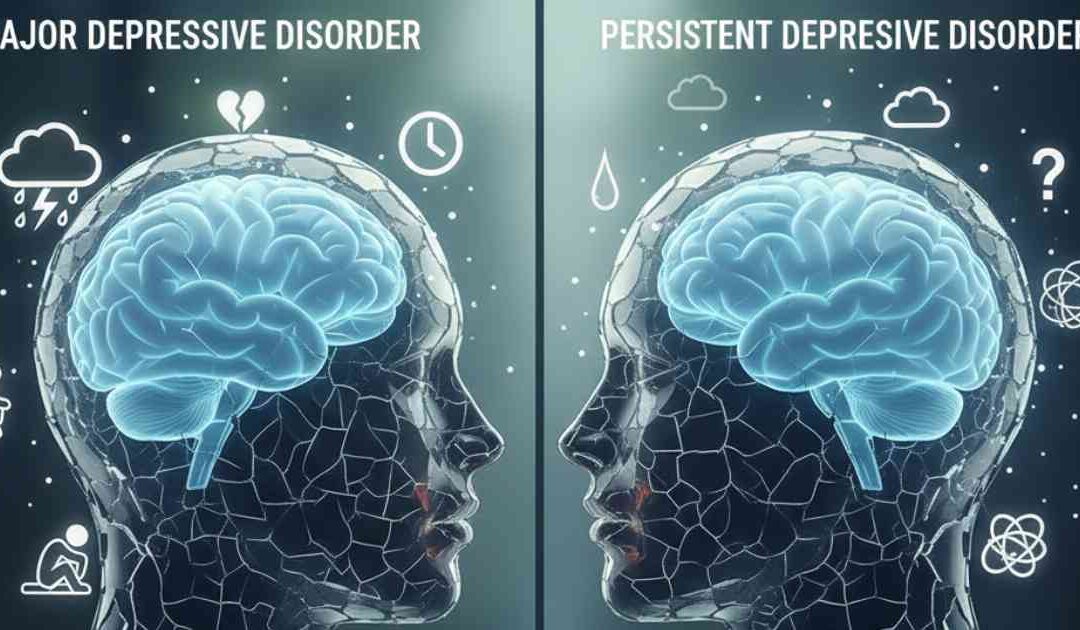
Major Depressive Disorder, often called MDD or clinical depression, is a very common type. It is characterized by a persistent sad or empty mood. This feeling lasts for at least two weeks.
It also includes a loss of interest or pleasure in activities once enjoyed. People with MDD might feel hopeless or worthless. They may also have trouble concentrating, remembering things, or making decisions.
Physical symptoms are also common with MDD. This can include changes in appetite and weight. Some people lose weight without trying, while others gain weight.
Sleep disturbances are another hallmark. This can mean sleeping too much (hypersomnia) or too little (insomnia). Fatigue and a lack of energy are also frequently reported.
It is important to note that MDD can occur only once in a person’s life or multiple times.
- Persistent sad mood for at least two weeks.
- Loss of interest or pleasure in most activities.
- Significant changes in appetite or weight.
- Sleep problems such as insomnia or hypersomnia.
- Feelings of worthlessness or excessive guilt.
- Difficulty concentrating, thinking, or making decisions.
- Recurrent thoughts of death or suicide.
For example, someone with MDD might have trouble getting out of bed in the morning. They may feel too tired to take a shower or eat breakfast. Social withdrawal is also common.
They might avoid friends and family, preferring to be alone. This can lead to feelings of isolation and loneliness, making the depression even worse.
Persistent Depressive Disorder Explained
Persistent Depressive Disorder, also known as Dysthymia, is a milder but chronic form of depression. The symptoms are not as severe as MDD, but they last for a much longer time. To be diagnosed, individuals must experience a depressed mood for at least two years.
During this period, they have a depressed mood on most days. The symptoms might not be disabling, but they prevent one from feeling good.
People with Dysthymia may describe themselves as feeling “down” or “blue” for years.
They might have periods of normal mood, but these do not last for more than two months at a time. While the sadness is less intense than in MDD, the chronic nature can be just as debilitating.
It can impact relationships, work, and overall quality of life.
- Depressed mood for at least two years.
- Less severe symptoms than Major Depressive Disorder.
- May have periods of normal mood, but not for long.
- Can lead to other mental health issues like anxiety or substance abuse.
- Often goes unnoticed or is mistaken for personality traits.
Consider Sarah, who has felt a low-level sadness for as long as she can remember. She can go to work and manage her daily tasks, but she never feels truly happy or enthusiastic about anything. She often says, “I’m just not a cheerful person,” not realizing it might be Dysthymia.
This ongoing state of low mood can wear a person down over time.
Bipolar Disorder Explained
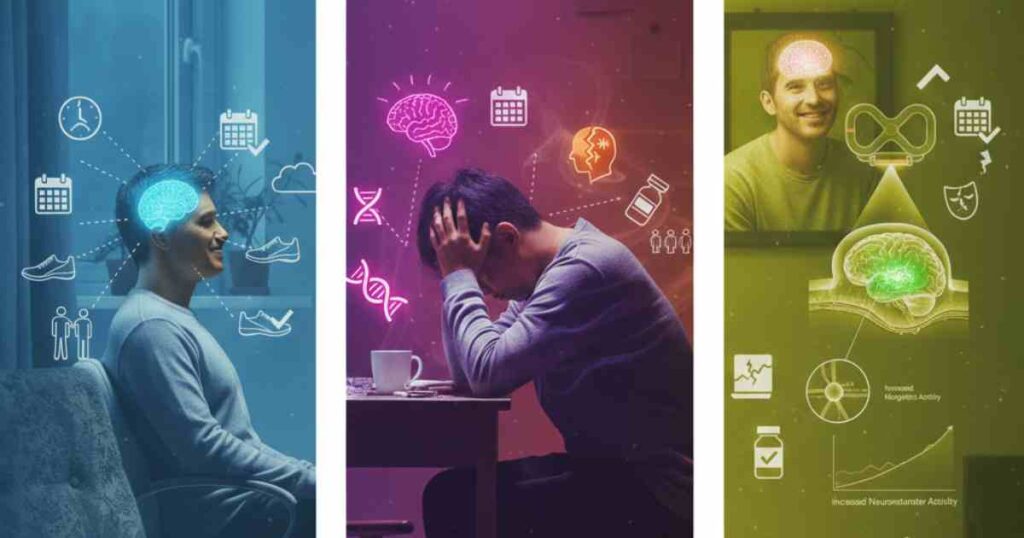
Bipolar Disorder is a brain disorder that causes unusual shifts in mood, energy, activity levels, and the ability to carry out daily tasks. It’s characterized by distinct periods of depression and periods of elevated mood, known as mania or hypomania.
These mood swings can be dramatic and may affect sleep, energy, activity, judgment, and behavior.
During a depressive episode, a person with bipolar disorder will experience symptoms similar to Major Depressive Disorder.
This includes sadness, hopelessness, fatigue, and loss of interest. However, a key difference is the presence of manic or hypomanic episodes.
Mania is a period of abnormally elevated or irritable mood and increased energy.
It can lead to impulsive behavior, decreased need for sleep, racing thoughts, and sometimes delusions or hallucinations.
- Alternating episodes of depression and mania/hypomania.
- Mania involves extreme elevated mood, energy, and impulsivity.
- Hypomania is a less severe form of mania.
- Can significantly disrupt life, work, and relationships.
- Requires long-term management and treatment.
A person experiencing mania might spend large amounts of money impulsively, engage in risky sexual behavior, or feel so energetic that they cannot sleep for days.
Hypomania is similar but less intense. While it might feel good to some, it can still lead to poor decision-making and can be a sign of impending mania or a severe depressive episode.
Understanding the difference between bipolar depression and MDD is vital because treatments can differ significantly. For instance, certain antidepressants used for MDD can trigger manic episodes in individuals with bipolar disorder.
Therefore, proper diagnosis is critical for effective treatment.
This is why consulting a mental health professional is so important.
Seasonal Affective Disorder Explained
Seasonal Affective Disorder (SAD) is a type of depression that is related to changes in seasons.
It typically begins in the fall and continues through the winter months, when there is less sunlight. People with SAD often feel depressed during the fall and winter and then feel better in the spring and summer.
This pattern suggests a link to changes in daylight exposure.
The symptoms of SAD are similar to those of other forms of depression. They can include low energy, difficulty concentrating, and a persistent sad mood. However, SAD often has distinct characteristics.
People may experience increased appetite, particularly for carbohydrates, and gain weight. They may also sleep more than usual and feel a general sense of lethargy or sluggishness.
The reduced sunlight may affect the body’s internal clock and lead to a drop in serotonin, a brain chemical that affects mood.
- Depression that follows a seasonal pattern, usually winter.
- Symptoms often include increased appetite and sleep.
- Reduced sunlight is thought to be a major trigger.
- Often treated with light therapy and sometimes medication.
- Symptoms typically improve with the arrival of spring.
Imagine someone who feels great all summer, enjoying outdoor activities and social events. As the days get shorter and the weather turns colder, they start to feel an overwhelming urge to sleep, crave comfort foods, and withdraw from social life.
This decline in mood and energy continues throughout the winter.
As soon as spring arrives and daylight hours increase, they often start to feel more like themselves again. This cyclical pattern is a strong indicator of SAD.
Postpartum Depression Explained
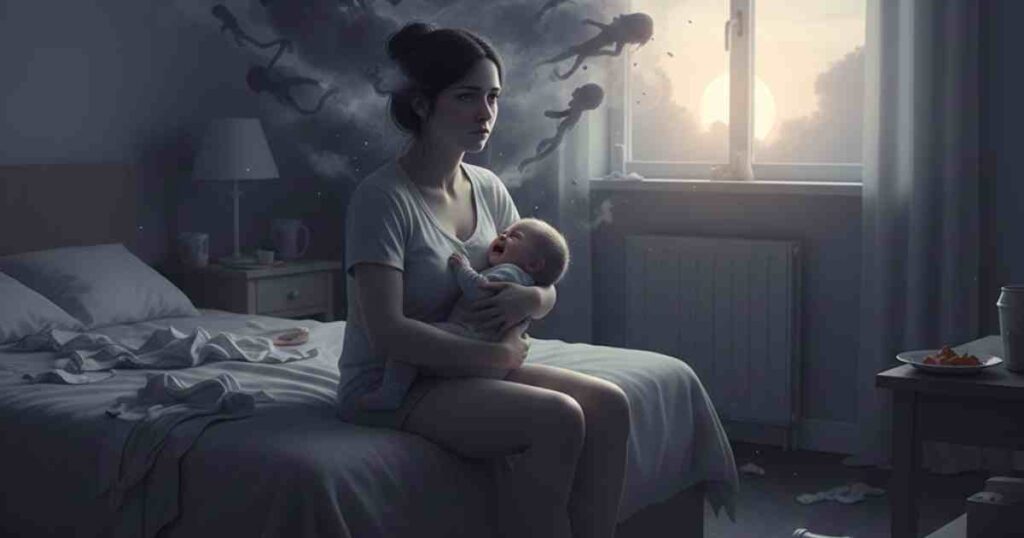
Postpartum depression (PPD) is a mood disorder that can affect women after childbirth.
It is more intense and lasts longer than the “baby blues,” which are common feelings of worry, sadness, and exhaustion that many mothers experience in the first two weeks after giving birth. PPD symptoms can appear any time within the first year after delivery.
Symptoms of PPD can vary widely but often include intense depression, anxiety, and mood swings.
Mothers may struggle to bond with their baby or may have thoughts of harming themselves or their baby.
Other signs include severe fatigue, loss of appetite or eating too much, and difficulty sleeping.
It is crucial to seek professional help if these symptoms persist. PPD is a serious condition that requires medical attention and support.
- Depression that occurs after giving birth.
- More severe and longer-lasting than “baby blues.”
- Can affect bonding with the baby.
- Requires professional treatment and support.
- Can affect any new mother, regardless of age or background.
A new mother, let’s call her Emily, finds herself constantly crying. She feels overwhelmed by the demands of caring for her newborn, even though she loves her baby. She has lost interest in activities she once enjoyed and has little energy.
She also worries that she is not a good mother and has intrusive thoughts about her baby’s safety, which terrifies her. This is more than just the typical exhaustion of new parenthood; it signals the need for PPD evaluation.
Premenstrual Dysphoric Disorder Explained
Premenstrual Dysphoric Disorder (PMDD) is a severe form of premenstrual syndrome (PMS). It involves a pattern of symptoms that begin in the week or two before menstruation and improve after the period starts.
PMDD is characterized by significant mood symptoms that interfere with daily life, work, and relationships.
These symptoms are more severe and disruptive than those experienced in typical PMS.
The primary features of PMDD are marked mood swings, irritability, anger, and depressed mood.
Other symptoms can include anxiety, tension, feeling overwhelmed, difficulty concentrating, fatigue, and changes in appetite. These symptoms can be severe enough to significantly impact a woman’s ability to function.
It is believed that PMDD is related to an abnormal response to normal hormone changes in the menstrual cycle.
- Severe mood symptoms occurring before menstruation.
- Symptoms improve after the period begins.
- Includes depression, irritability, and anxiety.
- Significantly interferes with daily functioning.
- Requires medical diagnosis and treatment.
Consider Maria, who experiences extreme mood swings in the week before her period. She feels fine one moment and then becomes intensely irritable and angry the next, snapping at her family.
She also experiences deep sadness and anxiety, sometimes to the point of panic.
These symptoms disappear once her period starts, but they cause considerable distress and strain on her relationships during that premenstrual phase.
Other Types of Depression Explained
Beyond the most commonly discussed types, several other variations of depression exist. These can often overlap with the primary forms but have specific triggers or characteristics.
Understanding these can further refine diagnosis and treatment.
For instance, Situational Depression, also known as Adjustment Disorder with Depressed Mood, arises in response to a specific stressful event or change in life, such as a breakup, job loss, or death of a loved one. The sadness is directly linked to the stressor.
Another form is Psychotic Depression. This occurs when someone experiences severe depression along with some form of psychosis.
Psychosis can involve hallucinations (seeing or hearing things that aren’t there) or delusions (false beliefs).
These psychotic symptoms are typically mood-congruent, meaning they align with the depressed mood, such as believing one is guilty of terrible things or that something bad will happen to loved ones.
- Situational Depression linked to specific life stressors.
- Psychotic Depression involves severe depression with hallucinations or delusions.
- Depression often associated with medical conditions like chronic illness or pain.
- Substance-Induced Mood Disorder due to drug or alcohol use.
- Grief or Bereavement can sometimes be mistaken for depression.
For example, someone experiencing chronic pain from an illness might also develop depression. The ongoing discomfort and limitations can contribute to feelings of hopelessness and sadness.
Similarly, individuals struggling with substance abuse may experience depression directly related to the effects of the drugs or alcohol, or as a consequence of the lifestyle changes and consequences associated with addiction.
Frequently Asked Questions of Understanding Different Types of Depression Explained
What is the main difference between MDD and Dysthymia?
The main difference is the severity and duration of symptoms. Major Depressive Disorder (MDD) involves more severe symptoms that last for at least two weeks, while Persistent Depressive Disorder (Dysthymia) has less severe but chronic symptoms lasting for at least two years.
Can Bipolar Disorder only involve mania?
No, Bipolar Disorder is characterized by both manic or hypomanic episodes and depressive episodes. While some individuals might experience more of one than the other, both extremes are part of the disorder.
Is Seasonal Affective Disorder the same as feeling tired in winter?
While both involve feeling low energy in winter, SAD is a clinical diagnosis with a pattern of specific depressive symptoms that occur predictably with the seasons and improve when daylight increases. It’s more than just typical winter sluggishness.
How soon can Postpartum Depression symptoms appear?
Postpartum depression symptoms can appear any time within the first year after childbirth, although they often emerge within the first few weeks or months.
Can I have more than one type of depression?
Yes, it is possible for someone to experience more than one type of depression. For example, someone might have a history of Major Depressive Disorder and also experience Seasonal Affective Disorder.
Final Thoughts
Recognizing the distinct forms of depression is a key step toward finding appropriate support. Each type has its own set of indicators and influences how a person feels and functions.
Major Depressive Disorder brings intense periods of sadness and loss of interest.
Persistent Depressive Disorder is a longer, milder form that can subtly affect life over years. Bipolar Disorder involves dramatic shifts between highs and lows, while Seasonal Affective Disorder is tied to the changing daylight.
Postpartum depression specifically affects new mothers, and Premenstrual Dysphoric Disorder causes severe mood changes linked to the menstrual cycle.
Other variations, like those triggered by stress or medical conditions, also exist, highlighting the varied ways depression can manifest.
If you or someone you know is struggling, reaching out to a healthcare professional is an important action. They can help identify the specific type of depression and recommend the most effective path forward.
Seeking understanding is a sign of strength, and help is available.