

Sometimes when people feel really sad for a long time, it can be more than just a bad mood. What Is Clinical Depression? is a question many people ask when they notice these persistent feelings.
It can be confusing because it’s not something you can easily “snap out of.” It’s a real health condition that affects how you feel, think, and act. Don’t worry if it seems tricky to grasp at first. We’re going to break it down step-by-step to make it super clear.
Get ready to learn the basics and see how to get help.
Key Takeaways
- Clinical depression is a medical illness that affects your mood and daily life.
- It’s characterized by persistent sadness and a loss of interest in activities.
- Symptoms can include changes in sleep, appetite, energy, and concentration.
- It is treatable with professional help and support.
- Recognizing the signs is the first step toward recovery.

What Is Clinical Depression
Clinical depression, also known as major depressive disorder, is a serious mood disorder. It is not simply feeling sad or going through a rough patch. Instead, it is a persistent feeling of sadness and loss of interest that can interfere with your daily life.
This condition affects how you feel, think, and behave, and it can lead to a variety of emotional and physical problems.
Many people experience periods of sadness in their lives, but clinical depression is different because it lasts for a long time, often weeks or months, and significantly impacts a person’s ability to function.
The challenge for many is distinguishing between normal sadness and a clinical condition. Everyday ups and downs are a part of life.
However, when these low feelings don’t go away and start to interfere with work, school, relationships, or self-care, it’s a sign that something more significant might be happening.
The symptoms are not always obvious and can vary greatly from person to person. Some individuals might experience intense sadness, while others feel emotionally numb or irritable.
It’s also common for people to not recognize these changes in themselves, making it difficult to seek help.
This post aims to clarify what clinical depression is in simple terms. We will explore its core characteristics, common signs, and why it’s important to seek professional support.
Understanding these aspects is the first step toward addressing the condition and finding effective ways to manage it.
We will cover various facets of this illness, providing clear explanations and practical insights to help anyone who might be struggling or knows someone who is.

Core Symptoms of Clinical Depression
At its heart, clinical depression is defined by a cluster of symptoms that persist for a significant period, typically at least two weeks.
The most prominent symptom is a persistent feeling of sadness or a low mood. This isn’t just feeling down; it’s a pervasive sense of hopelessness and despair that doesn’t easily lift.
Another core feature is the loss of interest or pleasure in activities that were once enjoyable.
This is known as anhedonia, and it can make even simple tasks feel like a huge effort.
Beyond these two main signs, several other symptoms are commonly observed. These can include significant changes in appetite or weight, either gaining or losing weight without trying.
Sleep patterns can also be severely disrupted, leading to insomnia (difficulty sleeping) or hypersomnia (sleeping too much).
People with clinical depression often experience a lack of energy or increased fatigue. They might feel sluggish and find that even small physical activities are exhausting.
There can also be a noticeable slowing down of thoughts and movements, or conversely, restlessness and agitation.
Cognitive symptoms are also a major part of clinical depression. This includes difficulty concentrating, remembering details, or making decisions.
Many individuals report feeling worthless or excessively guilty about things that are not their fault.
In severe cases, there can be recurrent thoughts of death or suicide, which require immediate professional attention. Recognizing this range of symptoms is key to understanding the full picture of what clinical depression entails.
These symptoms often coexist, creating a significant burden on the individual’s well-being.
- Persistent Sadness or Depressed Mood
- Loss of Interest or Pleasure (Anhedonia)
- Significant Changes in Appetite or Weight
- Sleep Disturbances (Insomnia or Hypersomnia)
- Fatigue or Loss of Energy
- Feelings of Worthlessness or Excessive Guilt
- Difficulty Concentrating or Making Decisions
- Recurrent Thoughts of Death or Suicide
The persistence of these symptoms is what differentiates clinical depression from temporary sadness. A day of feeling low is normal.
However, a period of two weeks or more where several of these symptoms are present, and they are causing significant distress or impairment in daily functioning, points towards a diagnosis of clinical depression.
It’s important to note that these symptoms must not be due to substance abuse or another medical condition to be considered clinical depression.
A healthcare professional performs a thorough assessment to confirm a diagnosis.
Understanding the Impact on Daily Life
The effects of clinical depression extend far beyond just feeling sad. They deeply impact a person’s ability to engage with life on a daily basis.
Simple tasks that most people take for granted can become overwhelming challenges.
For instance, getting out of bed in the morning might feel like a monumental effort due to profound fatigue. Maintaining personal hygiene, such as showering or brushing teeth, can be neglected because of a lack of energy or motivation.
This can lead to social withdrawal and further isolation.
Work or school performance often suffers significantly. Concentration problems make it hard to complete tasks or follow instructions.
Decreased energy levels reduce productivity, and a pervasive sense of hopelessness can make it difficult to see the point in trying.
As a result, individuals might miss work, perform poorly on assignments, or even drop out of school.
This can lead to financial difficulties and academic or professional setbacks, creating a cycle of stress that can worsen depressive symptoms.
Relationships also bear the brunt of clinical depression. Irritability, withdrawal, and a general lack of engagement can strain bonds with family and friends.
Loved ones may not understand the nature of the illness and might misinterpret the symptoms as personal failings or a lack of caring.
This can lead to feelings of guilt and shame for the person experiencing depression, further isolating them. Social isolation is a common outcome, as the energy required to maintain social connections dwindles, and the fear of being a burden can become prominent.
Physical health can also be affected. Some people experience somatic symptoms like headaches, digestive problems, or chronic pain that don’t have a clear medical cause.
The stress and biological changes associated with depression can weaken the immune system, making individuals more susceptible to illness.
Moreover, the lack of motivation can lead to unhealthy lifestyle choices, such as poor diet and lack of exercise, which further exacerbate physical health issues.
Case Study: Sarah’s Experience
Sarah, a 32-year-old marketing manager, had always been energetic and social.
Over a few months, she noticed a significant change. She started struggling to get out of bed, often calling in sick to work with vague excuses.
Her usual enthusiasm for her job vanished, and she found herself staring blankly at her computer screen for hours, unable to focus on tasks. Her colleagues noticed her withdrawal, and her friends found her distant and uncommunicative.
Sarah also experienced drastic changes in her eating habits, often skipping meals or bingeing on comfort food, leading to noticeable weight gain.
Sleep became a battle; some nights she couldn’t fall asleep, and others she slept for 12 hours but still felt exhausted. She began to feel a deep sense of worthlessness, believing she was a failure at work and a burden to her loved ones.
Thoughts of ending her life, though fleeting, started to creep into her mind. This was a stark contrast to the vibrant person she once was, highlighting the profound impact clinical depression had on her life.
Causes and Risk Factors
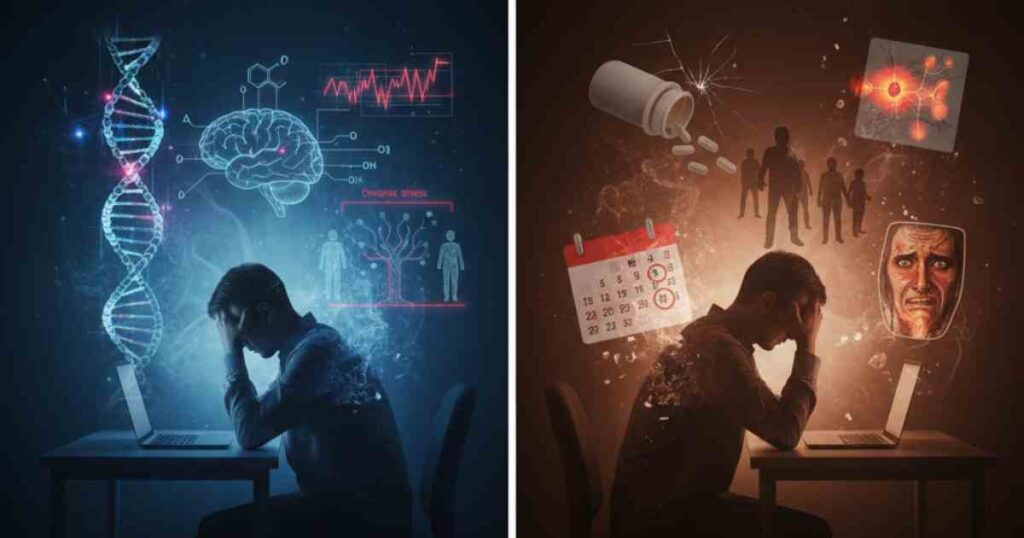
The exact cause of clinical depression is not fully understood, but it is believed to be a complex interplay of genetic, biological, environmental, and psychological factors. It’s rarely caused by just one thing.
Think of it like a perfect storm where several elements come together to trigger the illness.
Genetics: Family history plays a role. If close family members have experienced depression, you might be more likely to develop it yourself.
This doesn’t mean you will definitely get it, but your genetic predisposition can increase your risk.
The genes involved likely affect how your brain chemicals work, influencing mood regulation.
Brain Chemistry: Neurotransmitters, which are chemical messengers in the brain, are thought to be involved. Serotonin, norepinephrine, and dopamine are particularly important for mood.
When these chemicals are out of balance, it can affect how you feel.
Medications for depression often aim to restore the balance of these neurotransmitters.
Brain Structure and Function: Research has shown that people with depression may have differences in certain areas of their brain that control mood, thinking, sleep, appetite, and behavior.
The connections between brain cells and how they communicate can also be affected.
Hormonal Changes: Fluctuations in hormones can trigger or contribute to depression. This is often seen during pregnancy and after childbirth (postpartum depression), during perimenopause, or with thyroid problems.
These hormonal shifts can impact brain chemistry and mood.
Stressful Life Events: Traumatic experiences, such as the death of a loved one, financial problems, relationship breakdowns, job loss, or abuse, can trigger depression in some individuals.
Even positive stressful events, like starting a new job or getting married, can sometimes contribute to depression, as significant life changes can be taxing.
Other Medical Conditions: Chronic illnesses like cancer, heart disease, diabetes, or chronic pain can increase the risk of developing depression.
The stress of managing a long-term health issue and the physical symptoms themselves can contribute to low mood. Sometimes, the symptoms of depression can be mistaken for symptoms of these underlying illnesses.
Personality Traits: Certain personality traits, such as low self-esteem, being overly self-critical, or having a tendency to worry, can make a person more vulnerable to depression.
Substance Abuse: Alcohol and drug abuse can either cause or worsen depression. While some people might use substances to cope with depressive feelings, this often creates a cycle that exacerbates the problem.
Example Scenario: A Student’s Stress
Mark, a university student, had always been a high achiever. However, during his final year, he faced a combination of stressors.
His parents were going through a difficult divorce, he was struggling with a demanding course load, and he had a part-time job to support himself.
He started to feel overwhelmed, his grades began to slip, and he withdrew from his friends, feeling like he couldn’t cope. He experienced persistent sleep problems and a loss of interest in his hobbies.
This accumulation of significant life stressors, combined with a possible genetic predisposition he wasn’t aware of, created a high-risk environment for him to develop clinical depression.
Diagnosis and Treatment Options
Diagnosing clinical depression is a process undertaken by healthcare professionals, typically doctors or mental health specialists.
It’s not like a blood test that gives a definitive answer. Instead, it involves a comprehensive evaluation to understand the patient’s symptoms, medical history, and overall functioning.
Doctors will ask detailed questions about the feelings, thoughts, and behaviors the person has been experiencing, paying close attention to the duration and severity of these symptoms.
They will look for the presence of several key symptoms that have persisted for at least two weeks, such as a consistently low mood, loss of interest in activities, changes in sleep or appetite, fatigue, feelings of worthlessness or guilt, difficulty concentrating, and thoughts of death or suicide.
A physical examination might also be conducted to rule out any underlying medical conditions that could be causing or contributing to the symptoms.
Sometimes, blood tests are ordered to check for thyroid problems or vitamin deficiencies, which can mimic symptoms of depression.
The healthcare provider will also assess how these symptoms are affecting the individual’s daily life, including their work, relationships, and ability to perform basic tasks.
This diagnostic process ensures that the correct condition is identified and that appropriate treatment can be recommended.
It is important for individuals experiencing symptoms to seek professional help, as self-diagnosis can be misleading and delay effective treatment.
Common Treatment Approaches
Treatment for clinical depression usually involves a combination of therapies. The most common and effective approaches include psychotherapy and medication.
These treatments work together to help individuals manage their symptoms and improve their quality of life.
Psychotherapy (Talk Therapy)
Psychotherapy involves talking with a trained therapist to explore feelings, thoughts, and behaviors. Different types of therapy are effective for depression:
- Cognitive Behavioral Therapy (CBT): This therapy helps identify and change negative thought patterns and behaviors that contribute to depression. It teaches coping skills to manage difficult situations.
- Interpersonal Therapy (IPT): IPT focuses on improving relationships with others, as relationship problems can often trigger or worsen depression. It addresses issues like grief, conflict, and role transitions.
- Psychodynamic Therapy: This approach explores unconscious patterns and past experiences that might be contributing to current feelings. It helps individuals gain insight into their emotional patterns.
Therapy provides a safe space to discuss feelings without judgment. Therapists can offer strategies for managing stress, improving communication, and developing healthier coping mechanisms.
The goal is not just to alleviate symptoms but also to prevent future episodes by equipping individuals with long-term tools for emotional well-being.
Medication
Antidepressant medications are often prescribed to help balance brain chemicals that affect mood. There are several types of antidepressants, each working slightly differently:
- Selective Serotonin Reuptake Inhibitors (SSRIs): These are the most commonly prescribed antidepressants. They work by increasing the amount of serotonin in the brain. Examples include fluoxetine (Prozac) and sertraline (Zoloft).
- Serotonin-Norepinephrine Reuptake Inhibitors (SNRIs): These medications increase both serotonin and norepinephrine levels in the brain. Examples include venlafaxine (Effexor) and duloxetine (Cymbalta).
- Tricyclic Antidepressants (TCAs): These are older types of antidepressants that can be effective but often have more side effects than SSRIs or SNRIs.
- Monoamine Oxidase Inhibitors (MAOIs): These are less commonly prescribed due to dietary restrictions and potential interactions with other medications, but they can be effective for treatment-resistant depression.
It’s important to note that antidepressants don’t work immediately. It can take several weeks to feel the full effects. Finding the right medication and dosage often requires patience and communication with a doctor.
Side effects can occur, but they often lessen over time or can be managed by adjusting the dose or switching to a different medication.
Lifestyle and Self-Care Strategies
Beyond professional treatment, lifestyle changes and self-care practices are vital components in managing clinical depression. These strategies can complement therapy and medication, empowering individuals to take an active role in their recovery.
- Regular Physical Activity: Exercise is a powerful mood booster. Even moderate activity like walking can release endorphins, which have natural mood-lifting effects. Aiming for at least 30 minutes of moderate exercise most days of the week can make a significant difference.
- Balanced Diet: Eating nutritious foods can impact mood and energy levels. Focusing on whole foods, fruits, vegetables, and lean proteins, while limiting processed foods, sugar, and excessive caffeine, can support overall well-being.
- Sufficient Sleep: Establishing a regular sleep schedule is crucial. Aim for 7-9 hours of quality sleep per night. Creating a relaxing bedtime routine and ensuring the bedroom is dark and quiet can improve sleep hygiene.
- Mindfulness and Relaxation Techniques: Practices like meditation, deep breathing exercises, and yoga can help reduce stress and anxiety, promoting a sense of calm. These techniques can be integrated into daily routines.
- Social Support: Staying connected with supportive friends and family is essential. Sharing feelings with trusted individuals can reduce feelings of isolation and provide emotional comfort. Joining support groups can also be beneficial.
These self-care strategies are not a replacement for professional treatment but rather a vital support system. They contribute to building resilience and managing the ups and downs of recovery.
Consistent effort in these areas can lead to sustained improvements in mood and overall functioning.
When to Seek Professional Help
Recognizing the signs of clinical depression and knowing when to seek professional help is crucial. If you or someone you know is experiencing persistent sadness, loss of interest, or other symptoms that interfere with daily life, it’s time to reach out.
The longer depression is left untreated, the more challenging it can become to manage, and the greater the impact it can have on your life.
A good rule of thumb is to seek help if symptoms have lasted for two weeks or more and are significantly impacting your ability to function.
This includes struggling with work or school, maintaining relationships, or taking care of yourself. If you find yourself withdrawing from social activities, experiencing significant changes in sleep or appetite, or feeling a pervasive sense of hopelessness, it is important to consult a healthcare professional.
Most importantly, if you are having thoughts of harming yourself or others, seek immediate help. This is a medical emergency. You can contact a crisis hotline, go to the nearest emergency room, or call your local emergency services number.
Do not hesitate to reach out for support in such situations. There are people who want to help you through this.
Identifying Red Flags
Several “red flags” signal that professional intervention is necessary:
- Persistent and overwhelming sadness that doesn’t improve.
- Loss of pleasure or interest in all activities, even those previously enjoyed.
- Significant changes in sleep patterns, such as prolonged insomnia or excessive sleeping.
- Marked changes in appetite and weight, either significant weight loss or gain.
- Extreme fatigue and lack of energy, making it difficult to perform daily tasks.
- Feelings of worthlessness, excessive guilt, or self-blame.
- Difficulty concentrating, remembering things, or making decisions.
- Restlessness or agitation, or conversely, slowed speech and movement.
- Recurrent thoughts of death or suicide, or making suicide attempts.
If several of these symptoms are present and have been ongoing, it’s a strong indication that professional help is needed.
A doctor can provide an accurate diagnosis and refer you to appropriate mental health services. Early intervention can significantly improve outcomes and help prevent the condition from worsening.
Resources for Support
Fortunately, there are many resources available to help those struggling with clinical depression. Reaching out to these resources is a sign of strength and a vital step toward recovery.
- Primary Care Physician: Your family doctor is often the first point of contact. They can assess your symptoms, rule out other medical conditions, and refer you to mental health specialists.
- Mental Health Professionals: Psychiatrists, psychologists, therapists, and counselors are trained to diagnose and treat mental health conditions. They can provide therapy, prescribe medication, or a combination of both.
- Crisis Hotlines: If you are in immediate distress or having suicidal thoughts, crisis hotlines offer confidential support 24/7. Examples include the National Suicide Prevention Lifeline (988 in the US) and the Crisis Text Line.
- Mental Health Organizations: Organizations like the National Alliance on Mental Illness (NAMI) and the Depression and Bipolar Support Alliance (DBSA) offer information, support groups, and resources for individuals and families affected by mental illness.
- Online Resources: Many reputable websites offer educational materials, self-assessment tools, and directories of mental health professionals. However, always verify the credibility of online information.
Remember that seeking help is a sign of courage. You don’t have to go through this alone. These resources are designed to provide support, guidance, and effective treatment to help you on your path to recovery.
Frequently Asked Questions of What Is Clinical Depression Explained Simply
Is clinical depression the same as sadness?
No, clinical depression is a medical illness that involves persistent sadness and a loss of interest, which is much more severe and long-lasting than everyday sadness. It affects your ability to function in daily life.
Can clinical depression be cured?
While clinical depression cannot be “cured” in the same way a bacterial infection can be cured, it is highly treatable. Many people experience significant relief and can achieve long-term remission with the right treatment and ongoing management.
What are some common warning signs of depression?
Common warning signs include persistent low mood, loss of interest in activities, changes in sleep and appetite, fatigue, difficulty concentrating, and feelings of worthlessness or guilt.
Who is at risk for developing clinical depression?
Anyone can develop clinical depression, but risk factors include genetics, stressful life events, certain personality traits, hormonal changes, and other medical conditions.
Is clinical depression a sign of weakness?
Absolutely not. Clinical depression is a complex medical illness, not a personal failing or a sign of weakness. It requires professional medical attention and support, just like any other health condition.
Final Thoughts
Understanding clinical depression is a significant step for anyone seeking to grasp this common yet often misunderstood condition.
It’s a medical illness that affects the way people feel, think, and behave, characterized by a persistent low mood and a loss of interest in life’s activities.
The symptoms can be diverse, ranging from changes in sleep and appetite to difficulties with concentration and energy levels.
It’s important to remember that clinical depression is not a sign of personal weakness but rather a complex condition influenced by a combination of biological, genetic, environmental, and psychological factors.
The good news is that clinical depression is treatable. With the right combination of psychotherapy, medication, and lifestyle adjustments, individuals can effectively manage their symptoms and lead fulfilling lives.
Recognizing the signs in yourself or others is the critical first step toward seeking and receiving the support needed.
If you are struggling, please reach out to a healthcare professional or a trusted support system. There is hope, and recovery is possible with consistent care and self-compassion.