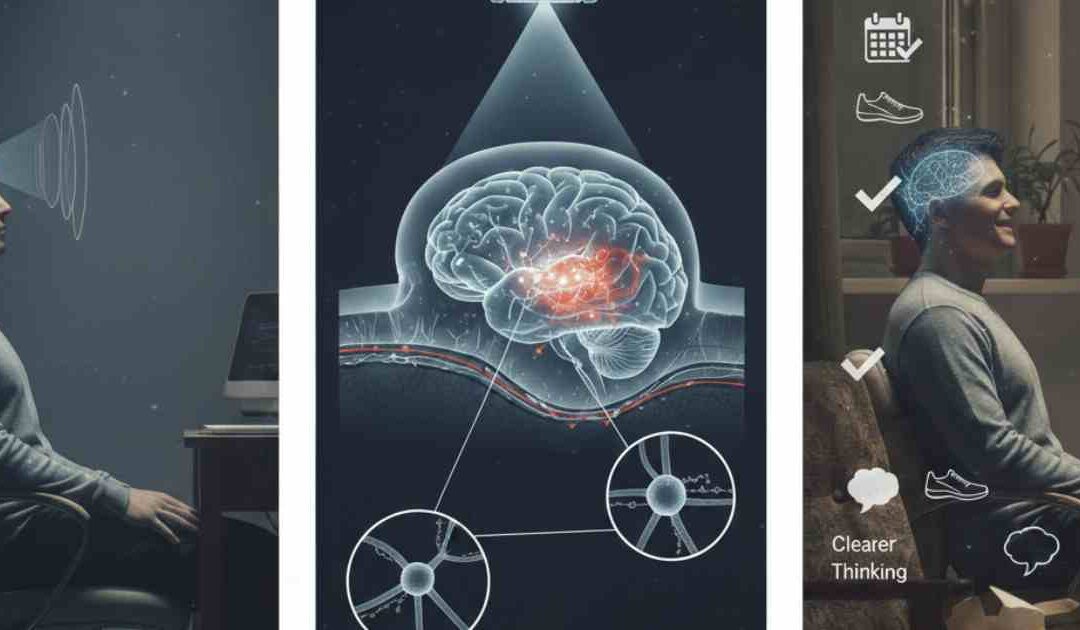
Have you ever wished for a treatment that could help your brain heal without surgery or medication? Transcranial Magnetic Stimulation, or TMS, might be the answer you’re looking for.
This innovative technique uses magnetic pulses to stimulate specific areas of your brain, offering new hope for those struggling with depression and other mental health challenges.
If you want to understand how TMS works and whether it could be right for you, keep reading—this article will guide you through everything you need to know in simple, clear terms.
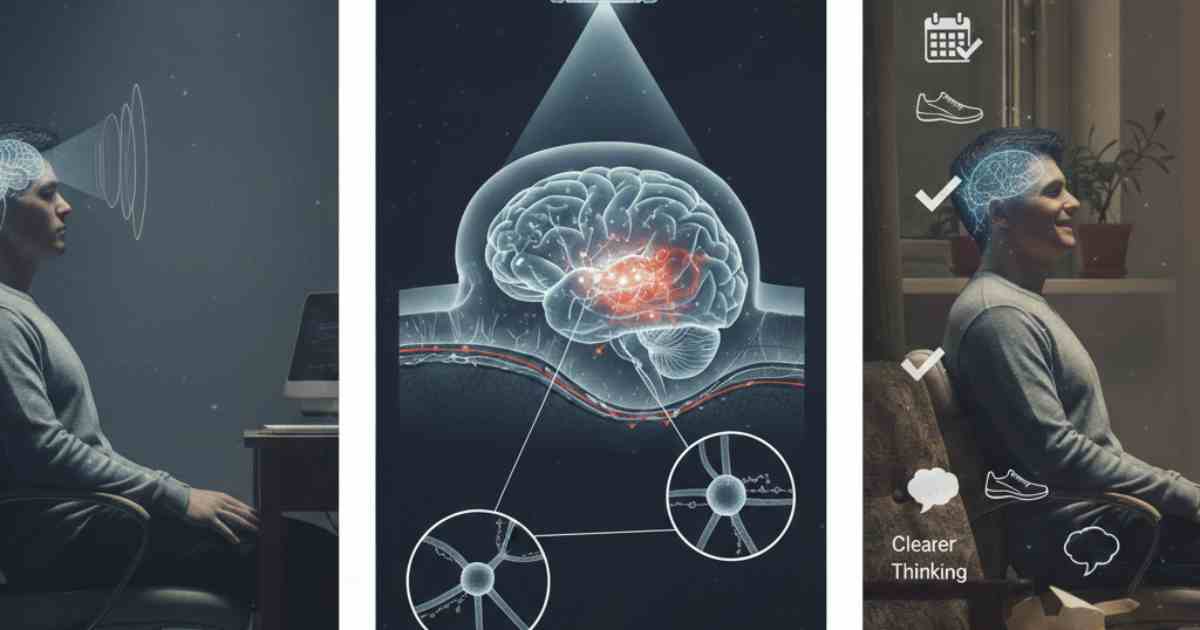
Basics Of Transcranial Magnetic Stimulation
Transcranial Magnetic Stimulation (TMS) is a medical treatment that uses magnetic fields. It targets specific parts of the brain to help improve mental health.
Understanding the basics of TMS can help you grasp how this therapy works and why it is used.
TMS is non-invasive. This means it does not require surgery or implants. It is often used to treat depression and other brain disorders. The treatment is safe and well-tolerated by many patients.
How Transcranial Magnetic Stimulation Works
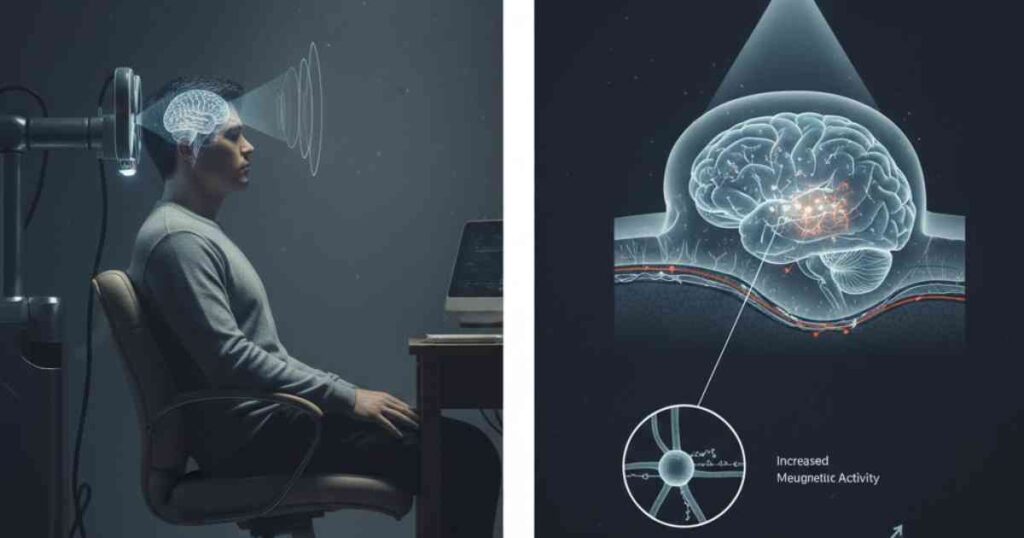
TMS uses a magnetic coil placed near the scalp. This coil sends magnetic pulses into the brain. These pulses stimulate nerve cells in areas linked to mood control.
The stimulation can help balance brain activity and improve symptoms.
Procedure And Duration
During a TMS session, the patient sits comfortably. The coil is positioned on the head by a technician. Each session lasts about 30 to 40 minutes. Patients usually need multiple sessions over weeks for the best results.
Benefits And Uses
TMS offers benefits without the side effects of medication. It is especially helpful for people who do not respond to drugs. Besides depression, TMS may help anxiety and other mental health issues. Doctors tailor the treatment to each patient’s needs.
How Tms Works In The Brain
Understanding how Transcranial Magnetic Stimulation (TMS) works in the brain helps explain why it is effective. TMS uses magnetic pulses to stimulate specific brain areas. These pulses affect brain activity and can improve mood and thinking.
The process targets brain cells without surgery or medication. This makes TMS a unique and non-invasive treatment option. The magnetic energy changes how neurons communicate, helping the brain function better.
Magnetic Pulses And Brain Stimulation
TMS uses a coil placed near the head to send magnetic pulses. These pulses pass through the skull safely. They create small electric currents in the brain. These currents activate nerve cells in targeted areas.
Targeting Specific Brain Regions
The most common target is the prefrontal cortex. This area controls mood and decision-making. Stimulating it can help reduce symptoms of depression. Doctors choose the exact spot based on each patient’s needs.
Changing Brain Activity Patterns
Repeated pulses change how neurons work together. This rewires brain circuits related to mood and behavior. Over time, brain activity becomes more balanced. This can lead to lasting improvements in mental health.
Conditions Treated With Tms
Transcranial Magnetic Stimulation (TMS) helps treat several brain-related conditions. It is a safe, non-invasive therapy that uses magnetic fields.
These fields stimulate nerve cells in the brain to improve symptoms. TMS is mainly used for mental health and neurological disorders.
Its success has made it a popular choice for many patients.
Doctors often recommend TMS when other treatments do not work well. It can target specific brain areas linked to certain conditions.
This targeted approach helps reduce symptoms and improve daily life. Below are some common conditions treated with TMS.
Major Depressive Disorder
TMS is widely used to treat major depressive disorder. It helps patients who do not respond to medication. The magnetic pulses stimulate brain areas that control mood.
Many experience fewer depressive symptoms after several sessions. TMS offers hope for those struggling with persistent depression.
Obsessive-compulsive Disorder (ocd)
TMS can reduce symptoms of obsessive-compulsive disorder. It targets brain circuits involved in repetitive thoughts and behaviors.
Patients often find relief after consistent treatment. TMS provides an alternative when therapy and medicines fall short.
Anxiety Disorders
Some types of anxiety disorders respond well to TMS. The therapy helps calm overactive brain regions linked to anxiety. Patients report feeling less anxious and more relaxed. TMS may improve focus and reduce panic attacks.
Post-traumatic Stress Disorder (ptsd)
TMS shows promise in easing PTSD symptoms. It targets brain areas that handle fear and stress. Patients may experience fewer flashbacks and nightmares. TMS supports recovery alongside counseling and other treatments.
Chronic Pain
TMS can help manage certain chronic pain conditions. It alters brain activity to reduce pain perception. Patients with fibromyalgia and neuropathic pain may benefit. TMS offers a drug-free option to ease discomfort.
Stroke Rehabilitation
TMS assists in stroke recovery by stimulating damaged brain areas. It promotes nerve healing and improves motor skills. Patients often regain better movement and coordination. TMS enhances the effects of physical therapy.
Benefits And Risks Of Tms
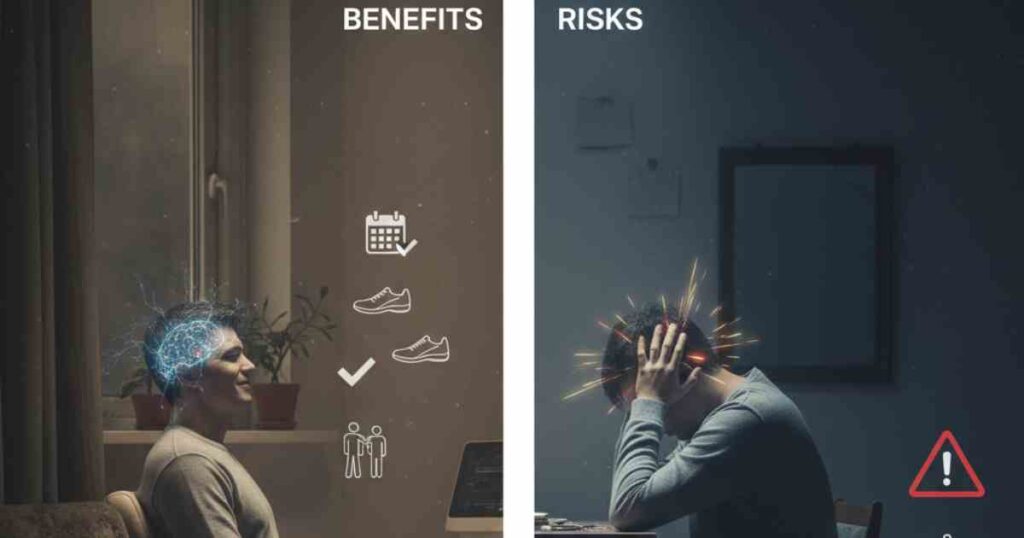
Transcranial Magnetic Stimulation (TMS) offers several benefits and some risks. Understanding both helps you make a clear choice. This section breaks down what to expect from TMS treatment.
Benefits Of Tms
TMS is a non-invasive treatment using magnetic pulses to stimulate brain cells. It helps improve mood and reduce symptoms of depression.
Many patients feel better after a few sessions.
TMS does not require anesthesia or surgery. It has fewer side effects than many medications. Patients can return to normal activities right after treatment. It also helps those who do not respond well to antidepressants.
Risks Of Tms
TMS is generally safe but may cause mild side effects. Some people feel headaches or scalp discomfort during or after sessions. These symptoms usually go away quickly.
Rarely, TMS can cause seizures in people with certain medical conditions. It is important to discuss your full health history with your doctor. They will decide if TMS is safe for you.
What To Expect During Tms Therapy
Understanding what happens during Transcranial Magnetic Stimulation (TMS) therapy helps ease any worries. The process is simple and does not cause pain.
Most people find it comfortable and quick.
Sessions usually last about 20 to 40 minutes. Patients sit in a chair while a technician places a magnetic coil near the head. The coil sends magnetic pulses to the brain to stimulate nerve cells.
Preparation Before Tms Therapy
Before starting, the technician explains the steps clearly. Patients should avoid caffeine on the day of treatment. There is no need for special clothing.
Removing metal objects like jewelry is important to avoid interference.
During The Tms Session
The magnetic pulses feel like gentle tapping on the scalp. Most patients hear clicking sounds from the machine. Sitting still is important, but patients can relax or close their eyes. Some may feel mild scalp discomfort, which usually fades quickly.
After The Tms Treatment
Patients can return to normal activities right after the session. No recovery time is needed. Some might feel slight headache or scalp soreness.
Drinking water and resting help reduce these mild effects. Regular sessions are often needed for best results.
Frequently Asked Questions of What Is Transcranial Magnetic Stimulation (Tms)?: Revolutionary Treatment Explained
What Is Transcranial Magnetic Stimulation (tms) Therapy?
Transcranial Magnetic Stimulation (TMS) uses magnetic fields to stimulate nerve cells in the brain. It helps treat depression and other brain-related conditions. TMS is non-invasive and usually done in short sessions.
How Does Tms Work For Depression Treatment?
TMS sends magnetic pulses to parts of the brain that control mood. These pulses help activate brain areas that are underactive in depression. The treatment can improve mood and reduce depression symptoms.
Is Tms A Safe Treatment Option?
TMS is generally safe with few side effects. Some people may feel mild scalp discomfort or headaches during treatment. Serious side effects are very rare, making it a well-tolerated option.
Conclusion
Transcranial Magnetic Stimulation (TMS) offers a new way to treat brain conditions. It uses magnetic pulses to help improve mood and thinking. Many people find it helpful when other treatments do not work.
The process is simple and does not cause pain.
Doctors keep studying TMS to learn more about its benefits. If you want to understand brain health better, TMS is worth knowing about.
It shows how science helps us find new paths to healing.