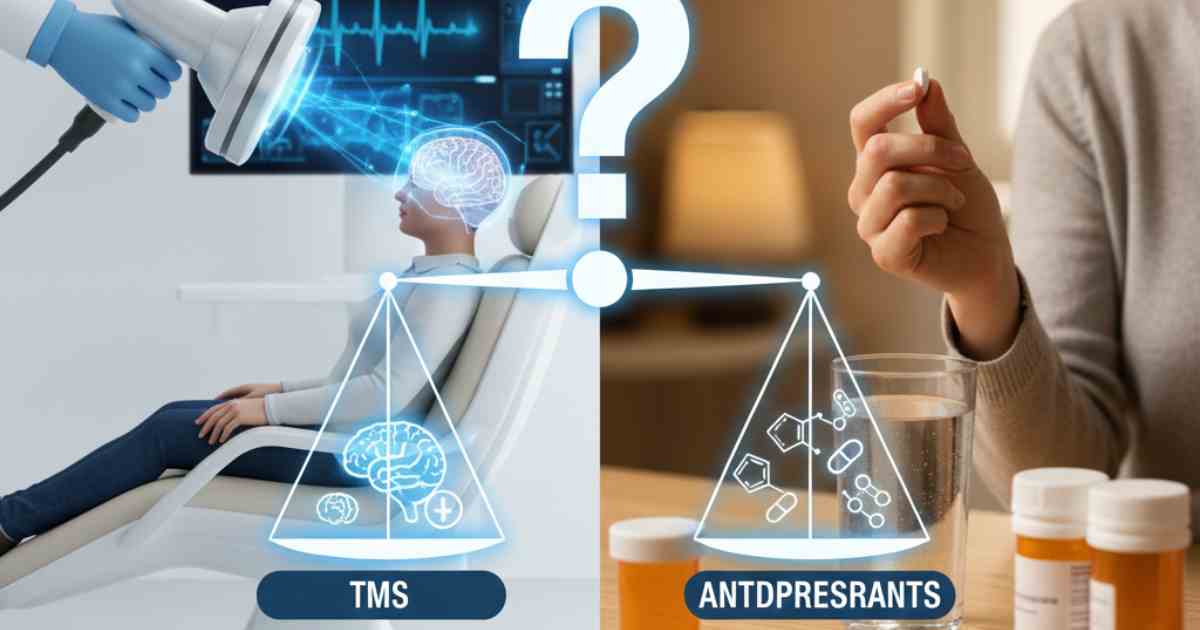
Are you struggling to find the right treatment for depression? You might be wondering whether TMS (Transcranial Magnetic Stimulation) or antidepressant medication is the better choice for you.
Both options have helped many people, but they work very differently and come with their own benefits and challenges. Understanding these differences can make a big impact on your recovery journey.
Keep reading to discover how TMS and antidepressants compare, so you can make an informed decision that fits your needs and lifestyle.
How Tms Works
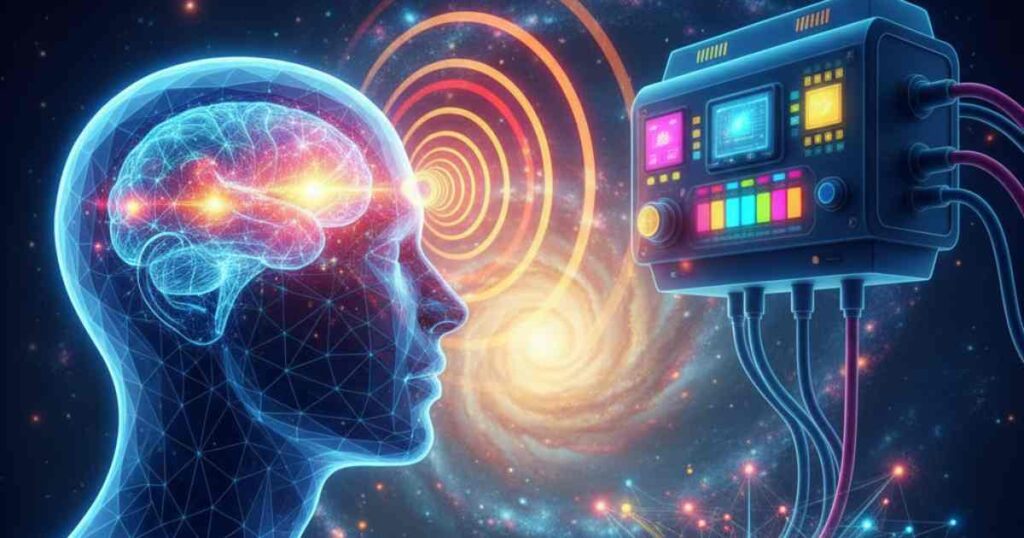
Transcranial Magnetic Stimulation (TMS) offers a different approach to treating depression than medications. It uses magnetic fields to stimulate specific brain areas.
This method targets the root causes of depression without drugs. Understanding how TMS works helps you see its benefits and limitations.
Mechanism Of Action
TMS uses a magnetic coil placed near the scalp. The coil sends magnetic pulses to the brain’s mood regulation center. These pulses cause small electrical currents in brain cells.
This activity changes brain circuits linked to depression. It helps improve communication between brain areas. Over time, these changes can lift mood and reduce symptoms.
Procedure Details
During TMS, you sit in a comfortable chair. The technician places the magnetic coil on your head. You feel tapping or clicking sounds but no pain.
Each session lasts about 30 to 40 minutes. You stay awake and alert during treatment. No anesthesia or sedation is needed. You can resume normal activities right after each session.
Typical Treatment Duration
TMS therapy usually requires daily sessions, five times a week. Treatment often lasts four to six weeks. Some patients may need longer or shorter periods.
Many show improvement within the first few weeks. Regular sessions help maintain positive brain changes. Doctors monitor progress and adjust treatment as needed.
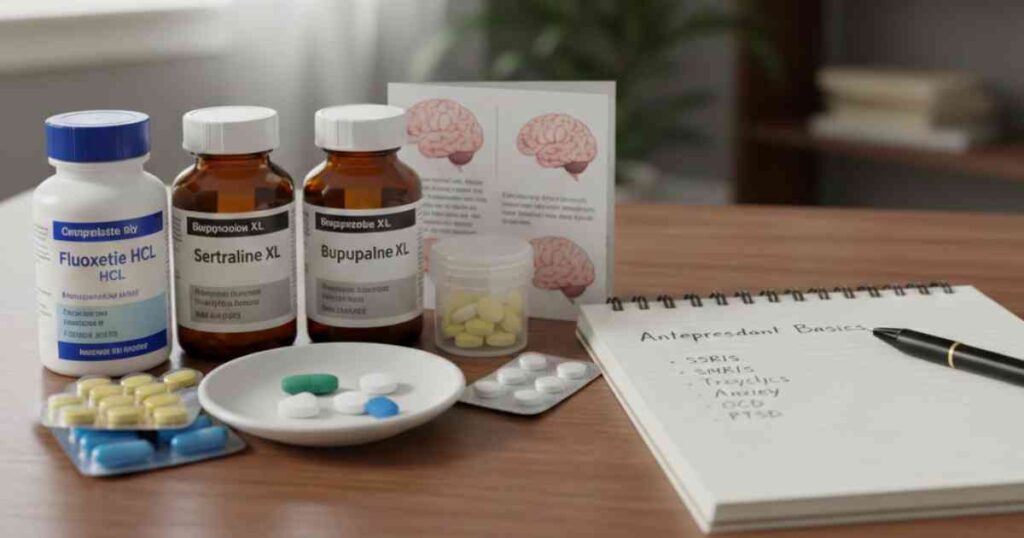
Antidepressant Medication Basics
Antidepressant medications help many people manage depression symptoms. They work by changing brain chemistry. These medicines come in various types.
Each type affects the brain differently. Understanding the basics can guide better treatment choices.
Common Types
Selective serotonin reuptake inhibitors (SSRIs) are the most common antidepressants. They increase serotonin levels in the brain. Serotonin affects mood and emotion.
Another type is serotonin-norepinephrine reuptake inhibitors (SNRIs). These affect both serotonin and norepinephrine.
Tricyclic antidepressants (TCAs) and monoamine oxidase inhibitors (MAOIs) are older types. They are less used due to more side effects.
How They Affect The Brain
Antidepressants change brain chemicals called neurotransmitters. These chemicals send signals between brain cells. By increasing neurotransmitters like serotonin, they improve mood.
The brain starts to balance itself better. This can reduce feelings of sadness or anxiety.
Treatment Timeline
Antidepressants do not work immediately. Most people see effects after 2 to 4 weeks. Full benefits may take 6 to 8 weeks. Doctors often adjust doses during this time.
Patience is important while waiting for results. Regular follow-up helps track progress and side effects.
Effectiveness Comparison
Comparing the effectiveness of TMS and antidepressant medication helps patients and doctors choose the best treatment. Both methods target depression but work differently. Understanding their strengths and limits is key for better mental health care.
Clinical Trial Outcomes
Clinical trials test treatments on groups of patients. Trials show TMS often reduces symptoms faster than some medications. Studies report TMS improves mood without many side effects.
Medication trials show good results but can cause tiredness or nausea. Both treatments have proven benefits in many trials.
Response Rates
Response rate means how many patients feel better after treatment. TMS has a response rate around 50-60%. Antidepressant medications have similar response rates.
Some people respond to one treatment and not the other. Combining treatments can increase the chance of success.
Long-term Benefits
TMS effects can last for months after treatment ends. Some patients need occasional sessions to keep feeling well. Medication often requires daily use for long periods.
Stopping medication suddenly can cause relapse. Long-term care plans vary for each patient’s needs.
Side Effects And Risks
Understanding the side effects and risks of TMS and antidepressant medication helps in making informed choices. Both treatments affect the brain but in different ways.
Knowing their safety profiles can ease concerns and guide discussions with doctors.
Tms Side Effects
Transcranial Magnetic Stimulation (TMS) is generally safe.
Some patients feel mild headaches after sessions. Scalp discomfort or tingling at the treatment site is common but short-lived. Rarely, TMS can cause seizures, especially in people with epilepsy. Most side effects fade quickly and do not require stopping treatment.
Medication Side Effects
Antidepressant medications can cause various side effects. Common ones include nausea, dizziness, and dry mouth. Some people experience weight gain or changes in sleep patterns. Sexual side effects, like reduced desire, may occur. Certain medications increase the risk of suicidal thoughts, especially in young adults. Regular monitoring by a doctor is necessary to manage these risks.
Safety Profiles
TMS has a strong safety record with minimal serious risks. It does not involve drugs, so no risk of addiction or overdose exists. Medications carry risks related to long-term use and interactions with other drugs.
Both treatments require professional supervision. The best choice depends on personal health, side effect tolerance, and treatment goals.
Choosing The Right Treatment
Choosing the right treatment for depression is important. Both TMS and antidepressant medication have benefits and drawbacks. Understanding key factors helps in making a good choice.
This section covers patient considerations, cost and accessibility, and combining therapies.
Patient Considerations
Every patient is unique. Age, medical history, and symptom type matter. Some people may react well to medication. Others may prefer TMS due to fewer side effects.
The severity of depression also guides treatment choice.
Personal preferences and lifestyle impact the decision too. Doctors often discuss these to find the best fit.
Cost And Accessibility
Cost can be a big factor. Antidepressants are often covered by insurance. They are usually less expensive upfront. TMS requires multiple sessions and specialized equipment.
This can raise costs and limit availability. Some regions have fewer TMS clinics. Checking insurance coverage and local options is important.
Combining Therapies
Sometimes combining treatments works well. Medication and TMS together may improve outcomes. This approach can reduce symptoms faster. Doctors may start with one and add the other.
This method offers flexibility and personalized care. Patients should discuss this option openly with their healthcare provider.
Frequently Asked Questions of Tms Vs Antidepressant Medication: Which Treatment Truly Works?
What Is The Main Difference Between Tms And Antidepressants?
TMS is a non-drug therapy using magnetic pulses to treat depression. Antidepressants are medications that change brain chemicals to improve mood.
How Effective Is Tms Compared To Antidepressant Medication?
TMS often works faster and has fewer side effects than many antidepressants. Effectiveness varies by person and depression severity.
Can Tms Replace Antidepressant Medication Completely?
TMS can be an alternative for some people, but not all. Many still need medication or combined treatments for best results.
Conclusion
Both TMS and antidepressant medication help treat depression. TMS uses magnetic pulses to stimulate the brain. Medication works by changing brain chemicals.
Some people may respond better to one than the other. Side effects can vary between these treatments. Talk with a doctor to find the best option.
Each method has its own benefits and limits. Understanding both helps you make a clear choice. Keep hope alive and seek support when needed. Your mental health deserves careful attention and care.