
Key Takeaways
- Both TMS therapy and medication are widely used to treat depression
- TMS works by directly stimulating brain activity, while medication changes brain chemistry
- Medication may cause noticeable side effects in some individuals
- TMS therapy often provides longer-lasting and more stable results
- In Orlando, both treatments are accessible, with increasing demand for TMS therapy
These key insights highlight that choosing the right treatment depends on your personal condition, response to previous treatments, and long-term mental health goals. When it comes to treating depression, many people feel confused about which option is truly effective for them. A common question that arises is: TMS therapy vs medication in Orlando: which is more effective? For many individuals, medication is the first step in treatment.
However, when results are limited or side effects become difficult to manage, they begin searching for alternatives that may offer better outcomes. In Orlando, where advanced mental health services are widely available and relatively affordable, both TMS therapy and medication are commonly used. However, more people are now exploring TMS therapy as a modern and long-term solution for depression. This is why many people search for TMS Therapy vs Medication in Orlando to find the most effective treatment option.
Understanding TMS Therapy
TMS (Transcranial Magnetic Stimulation) is a non-invasive treatment that uses controlled magnetic pulses to stimulate specific areas of the brain responsible for mood regulation. In individuals with depression, certain brain regions become underactive, leading to symptoms such as low energy, lack of motivation, and persistent negative thoughts. TMS therapy targets these areas and helps reactivate them. Over time, repeated stimulation improves communication between brain cells and enhances overall brain function.
This gradual improvement leads to better emotional balance, clearer thinking, and increased energy levels. Because TMS does not involve medication, it avoids many of the systemic effects that drugs can have on the body, making it an appealing option for many patients. This makes TMS Therapy vs Medication in Orlando an important comparison for modern treatment choices.
How Medication Works for Depression

Antidepressant medication works by adjusting the levels of neurotransmitters in the brain, such as serotonin, dopamine, and norepinephrine. These chemicals play a key role in regulating mood, emotions, and mental stability. By balancing these levels, medication can help reduce symptoms of depression. For many individuals, medication provides noticeable relief, especially in the early stages of treatment.
However, it often requires consistent use over a long period of time. In some cases, patients may need to try multiple medications before finding one that works effectively. Additionally, the response to medication can vary significantly from person to person. Because of these differences, TMS Therapy vs Medication in Orlando remains a key topic for patients exploring options.
TMS Therapy vs Medication: Key Differences
The most important difference between TMS therapy and medication lies in how they target depression. Medication works indirectly by influencing brain chemistry, which can affect the entire body. In contrast, TMS therapy directly stimulates the specific brain regions associated with mood. This targeted approach allows TMS to focus on the root of the problem rather than broadly affecting the body’s chemical balance.
Another key difference is duration. Medication often needs to be taken continuously to maintain results, while TMS is typically completed over a set number of sessions, with benefits that may continue afterward. To better understand how TMS Therapy in Orlando Sessions works in real treatment settings, you can explore detailed session information here.
Who Benefits More from Each Option

Medication is generally effective for individuals with mild to moderate depression, particularly those who are starting treatment for the first time. It is often recommended as an initial step because it is widely available and easy to begin. On the other hand, TMS therapy is especially beneficial for individuals with treatment-resistant depression.
Those who have not seen improvement after trying one or more medications. It is also ideal for individuals who experience significant side effects from medication or prefer a non-drug approach to treatment. In many cases, healthcare providers may recommend a combination of both treatments to maximize effectiveness.
Comparison of Side Effects
Side effects are one of the most important factors when choosing between TMS therapy and medication. Medication can cause a range of side effects, including fatigue, weight gain, dizziness, sleep disturbances, and emotional numbness. For some individuals, these effects can significantly impact daily life. Side effects are a major factor in TMS Therapy vs Medication in Orlando when choosing the right treatment.
TMS therapy, in comparison, has fewer and milder side effects. The most common ones include slight headaches or scalp discomfort during or after sessions. These side effects are typically temporary and decrease as treatment progresses. Because TMS does not involve chemicals, it avoids many of the long-term side effects associated with medication.
Long-Term Effectiveness
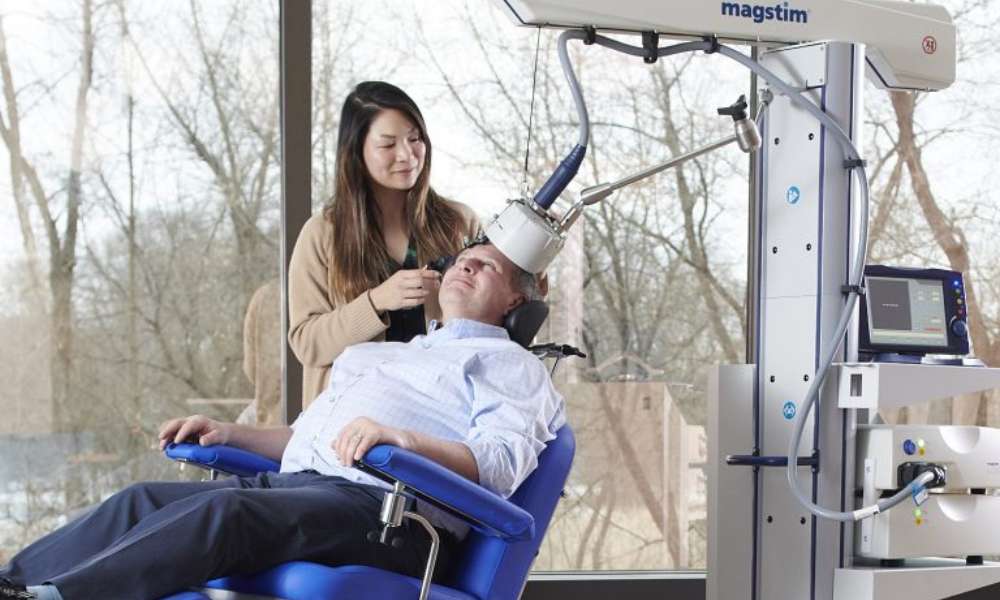
One of the biggest concerns with medication is that its benefits often depend on continued use. If the medication is stopped, symptoms may return.TMS therapy offers a different advantage. Improving brain function over time can lead to longer-lasting results even after the treatment course is completed.
When comparing long-term results in TMS Therapy vs Medication in Orlando, you can explore a detailed comparison here. Many patients report sustained improvement in mood, energy, and overall mental health after finishing TMS therapy. This long-term effectiveness is a major reason why more individuals are choosing TMS as part of their treatment plan.
Which Option Is More Popular in Orlando
In Orlando, both medication and TMS therapy are widely used and accessible. However, there has been a noticeable shift in recent years. More individuals are becoming aware of TMS therapy and its benefits, leading to increased demand. This trend shows why TMS Therapy vs Medication in Orlando is becoming more widely discussed.
With modern clinics, experienced providers, and advanced equipment available throughout the city, Orlando has become a strong destination for TMS treatment. Patients are increasingly choosing options that provide long-term relief with fewer side effects, which is contributing to the growing popularity of TMS therapy.
Cost and Accessibility Comparison
Medication is typically more affordable at the beginning, making it a common first choice for treatment. However, because it often requires long-term use, the total cost can add up over time. TMS therapy may have a higher upfront cost, but it is usually completed within a defined period and may offer lasting benefits.
In Orlando, many clinics provide flexible pricing, insurance coverage, and payment plans, making TMS therapy more accessible than ever before. This allows more individuals to consider it as a realistic treatment option.
Can They Be Used Together

Yes, TMS therapy and medication can often be used together for better results. In some cases, combining both treatments helps accelerate improvement and provides a more comprehensive approach to managing depression.
Healthcare providers may recommend this combined strategy based on the severity of symptoms and the patient’s medical history. It is always important to follow professional guidance when deciding on the best treatment approach.
FAQ
Is TMS therapy more effective than medication?
It depends on the individual. TMS therapy is often more effective for people who have not responded to medication, while medication may work well for others, especially in the early stages of treatment.
Do I need to stop medication before starting TMS therapy?
Not necessarily. Many patients continue taking medication while undergoing TMS therapy. Your doctor will decide the best approach based on your condition.
Is TMS therapy widely available in Orlando?
Yes, Orlando has many advanced clinics that offer TMS therapy with experienced professionals and modern equipment.
Which treatment has fewer side effects?
TMS therapy generally has fewer and milder side effects compared to medication, making it a preferred option for many patients.
How long does it take to see results from each treatment?
Both treatments may take a few weeks to show noticeable results, but TMS therapy often provides gradual and sustained improvement over time.
Is TMS therapy safe for long-term use?
Yes, TMS is a safe and FDA-approved treatment. It is non-invasive and does not carry the long-term risks associated with some medications.
Why are more people in Orlando choosing TMS therapy?
Many people are choosing TMS therapy because it offers a modern, effective, and long-term solution with fewer side effects, along with accessible and affordable treatment options in Orlando.
Final Thoughts
TMS therapy vs medication in Orlando: which is more effective?—The answer ultimately depends on your individual needs, treatment history, and personal preferences. While medication remains a widely used and effective option, TMS therapy stands out as a modern, targeted, and promising alternative—especially for those who have not found success with traditional treatments.
With advanced facilities, experienced providers, and growing accessibility, Orlando offers an ideal environment to explore both options and choose the one that best supports your mental health journey. Taking the right step today can lead to a more stable, healthier, and more hopeful future.