
Key Takeaways
- TMS therapy is a non-invasive treatment for depression
- It stimulates specific areas of the brain to improve mood and mental balance
- No surgery, anesthesia, or recovery time is required
- Orlando offers accessible, modern, and cost-effective TMS therapy options
- It is especially helpful for individuals who have not responded to medication
These key points highlight why TMS therapy is becoming an increasingly popular option for individuals looking for a safe and effective alternative to traditional depression treatments.
Many individuals struggling with depression do not find enough relief through traditional treatments such as medication or talk therapy. Over time, this can become emotionally exhausting and discouraging, especially when multiple treatment attempts fail to bring meaningful improvement.
That’s when many people begin searching for how TMS therapy in Orlando works: a beginner’s guide, so they can better understand whether this modern approach could be the right solution for their condition.
In a city like Orlando, where advanced mental health services are widely available and relatively affordable, TMS therapy has become a practical and increasingly popular choice for individuals seeking long-term relief from depression without relying solely on medication.
What Is TMS Therapy
TMS (Transcranial Magnetic Stimulation) is a modern, non-invasive treatment that uses targeted magnetic pulses to stimulate specific areas of the brain.
In individuals with depression, certain regions of the brain responsible for mood regulation tend to become underactive. This reduced activity affects emotional balance, energy levels, and overall mental well-being.
TMS therapy works by reactivating these areas, helping restore normal brain function. Unlike medication-based treatments, TMS does not rely on altering brain chemistry through drugs. Instead, it directly influences brain activity, which makes it a preferred option for many individuals looking for a more natural and focused approach.
Why TMS Therapy Is Used for Depression

TMS therapy is often recommended for individuals who have not responded well to antidepressant medications or who experience uncomfortable side effects from them.
While medications attempt to adjust chemical imbalances in the brain, they do not always work for everyone. Some individuals may go through multiple medications without seeing significant improvement.
TMS offers a different approach by directly stimulating brain regions linked to mood control. This makes it especially useful for treatment-resistant depression, where traditional methods have failed.
For many patients, TMS represents a new opportunity to find relief and regain control over their mental health.
How TMS Therapy Works Step by Step
TMS therapy follows a structured and carefully designed process to ensure both safety and effectiveness.
First, a specialist conducts a detailed evaluation to understand your condition, symptoms, and treatment history. Based on this information, a personalized treatment plan is created to target your specific needs.
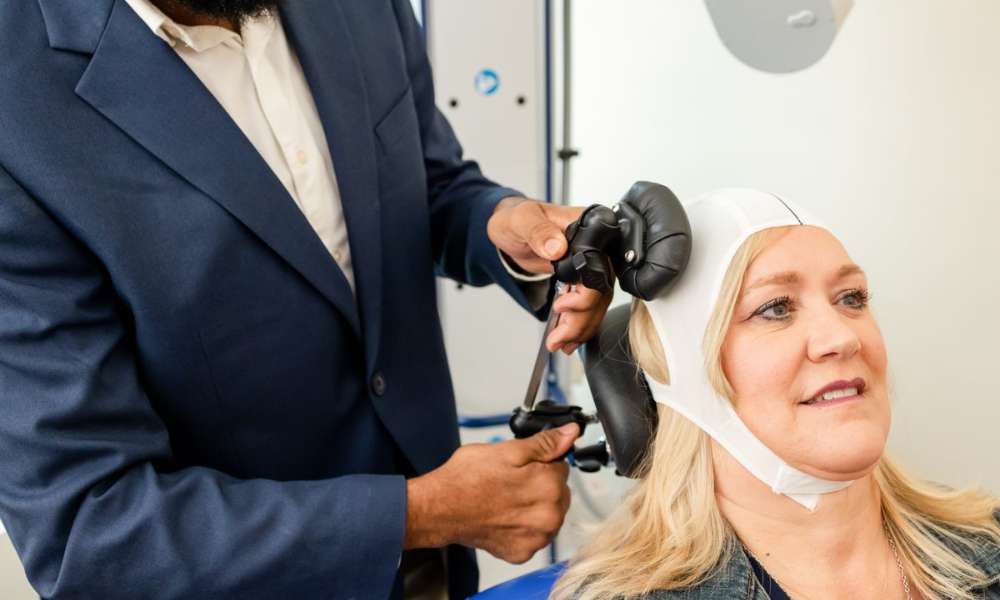
During each session, a specialized device is placed on your scalp. This device delivers controlled magnetic pulses to specific brain regions. These pulses stimulate nerve cells and gradually improve communication within the brain.
Over time, repeated sessions help regulate brain activity, leading to noticeable improvements in mood, focus, and emotional stability.
What Happens Before Treatment
Before starting TMS therapy, a thorough consultation is required.
During this stage, your doctor will review your medical history, current symptoms, and any previous treatments you have tried. This helps determine whether TMS is a safe and appropriate option for you.
In some cases, additional assessments may be conducted to better understand your mental health condition. This preparation phase is extremely important because it ensures that your treatment is personalized and effective from the beginning.
What Happens During a Session
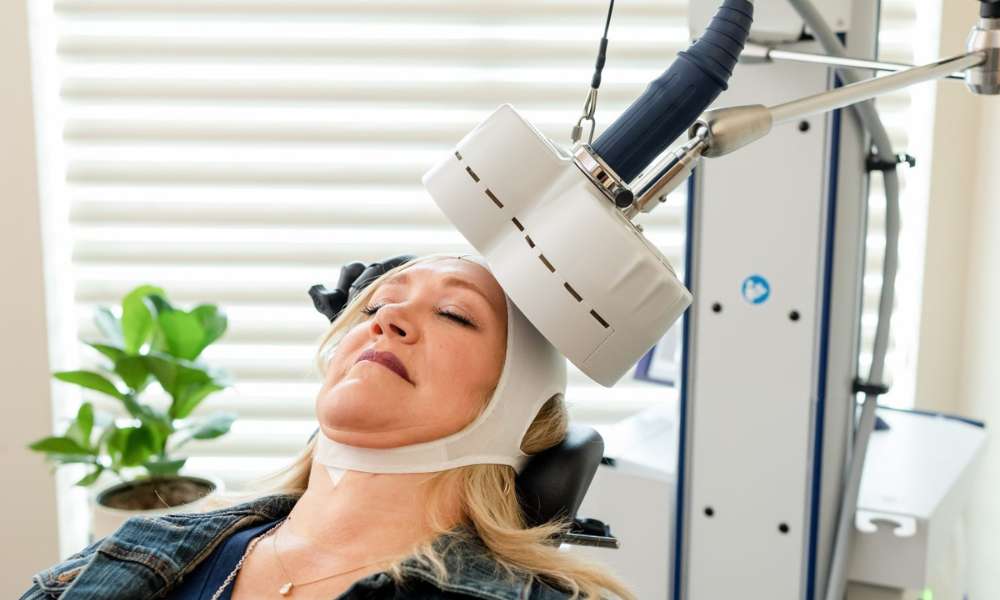
During a TMS session, you will sit comfortably in a chair while a device is positioned on your head.
The device sends magnetic pulses to targeted areas of the brain. These pulses may feel like a light tapping or clicking sensation on your scalp, but they are generally not painful. TMS Therapy involves a structured process, and this guide explains what to expect during treatment and how it works.
You remain fully awake and alert throughout the session, and there is no need for anesthesia. Each session is supervised by trained professionals who ensure your comfort and safety at all times.
What Happens After Each Session
One of the biggest advantages of TMS therapy is that you can immediately return to your normal daily activities after each session. Since no anesthesia is used, there is no recovery time required, making it highly convenient for individuals with busy schedules.
Many patients leave the clinic and go straight back to work, drive themselves home, or continue with their usual responsibilities without any interruption. This level of flexibility allows individuals to maintain their routine while receiving treatment.
In some cases, patients may experience mild side effects such as a slight headache or minor scalp discomfort. However, these effects are temporary and usually resolve within a short period of time without any additional care.
How Long the Treatment Take
TMS therapy is not a one-time procedure—it is a gradual process that requires consistency over several weeks.
A full treatment plan typically lasts between 4 to 6 weeks, depending on the individual’s condition and response to treatment. Sessions are usually conducted 4 to 5 times per week, with each session lasting approximately 20 to 40 minutes.
In the beginning, changes may be subtle, and some patients may not notice immediate improvement. However, as sessions continue, many individuals begin to experience better mood, increased energy, improved focus, and reduced depressive symptoms.
Consistency plays a crucial role in achieving successful results, and following the recommended schedule is essential.
Who Is a Good Candidate for TMS
TMS therapy is most suitable for individuals who have been dealing with depression for an extended period and have not found success with traditional treatments.
It is also an excellent option for those who cannot tolerate the side effects of antidepressant medications or who prefer a non-invasive treatment approach.
Additionally, individuals looking for a treatment that does not interfere with their daily routine often find TMS to be a practical choice.
However, it is important to consult a qualified specialist to determine whether TMS therapy is appropriate for your specific condition.
Why Orlando Is a Good Place for TMS Therapy
Orlando has become a strong choice for TMS therapy due to its advanced healthcare infrastructure and availability of experienced mental health professionals.
Many clinics in the city are equipped with modern technology and offer personalized treatment plans tailored to individual needs. This ensures a higher level of care and better treatment outcomes.
Another major advantage is affordability. Compared to many larger metropolitan areas, Orlando offers a more balanced combination of quality care and reasonable pricing.
This accessibility allows more individuals to receive consistent treatment without excessive financial burden, making Orlando a practical and attractive location for TMS therapy. TMS Therapy is widely available in Orlando, and you can explore professional treatment options here.
Safety and Side Effects

TMS therapy is widely considered a safe and well-tolerated treatment option.
Because it is non-invasive, it does not involve surgery or significant physical risk. Most patients experience little to no discomfort during or after sessions.
Some mild side effects may occur, such as slight headaches or minor scalp irritation. These symptoms are temporary and usually decrease as the treatment progresses.
Serious side effects are extremely rare, especially when the therapy is performed by trained and experienced professionals in a clinical setting.
FAQ
What is TMS therapy in simple terms?
TMS therapy uses magnetic pulses to stimulate areas of the brain that control mood, helping reduce symptoms of depression over time in a safe and non-invasive way.
Is TMS therapy available in Orlando?
Yes, Orlando has many clinics offering TMS therapy with advanced equipment and trained professionals, making it easy to access this treatment.
Does TMS therapy hurt?
No, it is generally painless. Most patients feel only a light tapping sensation on the scalp during the session.
How long does it take to see results?
Many patients begin to notice improvements within a few weeks, although full results typically appear after completing the full treatment course.
Can I continue my daily routine after sessions?
Yes, one of the biggest advantages of TMS therapy is that you can immediately return to your normal activities after each session.
Is TMS therapy safe?
Yes, it is an FDA-approved and well-tested treatment with minimal and temporary side effects.
Why choose Orlando for TMS therapy?
Orlando offers a combination of modern clinics, experienced professionals, and relatively affordable treatment options, making it an excellent choice.
Final Thoughts
Understanding how TMS therapy in Orlando works: a beginner’s guide can help you make a more informed and confident decision about your mental health.
This treatment offers a modern, effective, and non-invasive solution—especially for individuals who have not found success with traditional methods like medication.
With accessible clinics, experienced providers, and affordable options, Orlando stands out as a reliable place to begin your TMS therapy journey.
Taking the first step today could lead you toward a healthier, more balanced, and hopeful future.